








More Than Just Calories
For missions to the Moon or Mars, astronauts can't simply pack a lunchbox. A trip to Mars could take two to three years, meaning there's no popping back to Earth for groceries. The food system must be lightweight, compact, and provide complete nutrition
for the entire journey. Scientists at NASA’s Advanced Food Technology project are working on meals that can last up to five years without degrading in quality or nutritional value. This involves advanced preservation techniques like freeze-drying and irradiation to ensure food remains safe and palatable. The physical toll of space—like bone and muscle loss—also requires a specially formulated diet to counteract these effects. It's a massive logistical puzzle where every gram counts.
The Psychology of a Good Meal
Living in a confined, high-stress environment millions of miles from home takes a severe psychological toll. In this setting, food becomes a vital source of comfort and morale. The simple act of sharing a meal helps maintain social bonds among the crew. However, menu fatigue is a real problem; eating the same pre-packaged meals for years can lead to astronauts eating less, risking nutritional deficiencies. This is why variety and taste are paramount. Astronauts often crave spicier foods in space because microgravity affects their sense of taste and smell. Providing familiar, comforting, and flavourful food is now seen as crucial for maintaining the behavioural health and cognitive performance of the crew on long-duration missions.
The Future is Fresh: Growing Food in Space
The ultimate solution to the space food problem is to grow it en route. NASA has been successfully experimenting with this aboard the International Space Station (ISS) for years. The Vegetable Production System, or 'Veggie', is a small space garden that has already grown lettuce, kale, radishes, and even flowers. These fresh greens provide a welcome supplement to the astronauts' diet and a significant psychological boost. The act of gardening itself—caring for a living plant—is a therapeutic activity that reduces stress and connects astronauts to nature. Scientists are now exploring more advanced systems, including hydroponics and aeroponics, to cultivate a wider variety of crops needed for a self-sustaining food system on the Moon or Mars.
An Indian Menu for the Stars
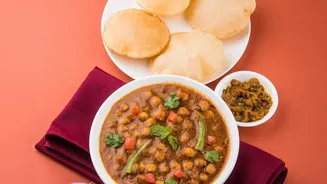
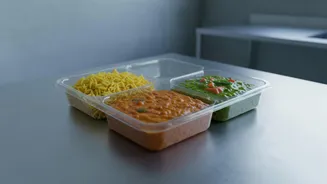
India's own ambitions in human spaceflight with the Gaganyaan mission are also placing a strong emphasis on food science. The Defence Food Research Laboratory (DFRL) in Mysuru has been developing a menu tailored for Indian astronauts. The list includes familiar comfort foods like idli, vegetable pulao, chicken korma, and moong dal halwa. These ready-to-eat meals are designed to be less spicy, with optional spice sachets, and packaged to be easily consumed in zero gravity. The ICMR-National Institute of Nutrition has also been involved in developing meals like khichdi and mutton rolls, focusing on texture, preservation, and controlled nutrient levels to support astronaut health. The goal is to provide a taste of home, ensuring the crew's psychological and physical well-being.