

The Tourism Capital of Maharashtra
Often called the 'Tourism Capital of Maharashtra', Chhatrapati Sambhajinagar (formerly Aurangabad) serves as the perfect base for exploring some of India's most significant historical sites. The city itself is steeped in a layered history, having served
as a capital for Mughal emperor Aurangzeb. Its strategic location makes it the gateway to two UNESCO World Heritage sites, a formidable medieval fort, and a Mughal mausoleum that rivals the Taj Mahal in its ambition. While a standard Maharashtra trip offers glimpses of modern India, adding this city to your itinerary provides a deep dive into the artistic and engineering genius that has shaped the Deccan region for over two millennia. For anyone seeking more than just a scenic getaway, this city offers a rich, historical counterpoint.
A Masterclass in Rock-Cut Grandeur: Ajanta and Ellora
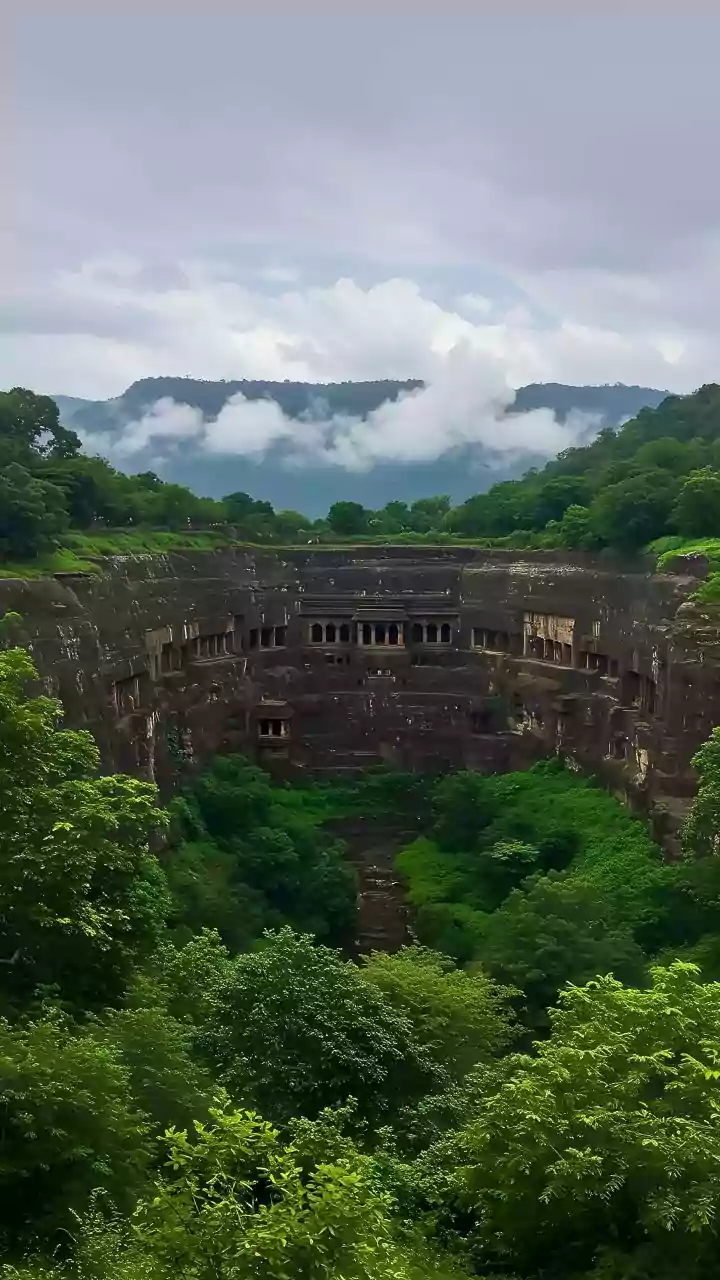
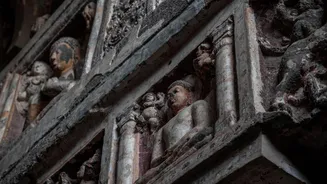
The primary draw for any visitor are the awe-inspiring Ajanta and Ellora caves. Though often spoken of together, they offer distinct experiences. The Ajanta caves, located about 100 km from the city, are a collection of around 30 Buddhist caves carved into a horseshoe-shaped cliff. Their fame lies in the breathtaking murals and frescoes that have survived for centuries, depicting tales from the life of the Buddha with incredible artistry. Ellora, much closer at just 30 km away, is a testament to religious harmony, featuring 34 caves with Hindu, Buddhist, and Jain monuments standing side-by-side. The undisputed masterpiece here is the Kailasa Temple (Cave 16), the world's largest single monolithic excavation, a temple complex carved top-down from a single rock. It’s an architectural feat that leaves visitors speechless, showcasing the pinnacle of ancient Indian craftsmanship.
The Taj of the Deccan
Within Chhatrapati Sambhajinagar itself lies Bibi Ka Maqbara, a stunning mausoleum that bears a striking resemblance to the Taj Mahal. Built in the 17th century by Prince Azam Shah in memory of his mother, Dilras Banu Begum, it is often called the 'Taj of the Deccan'. While it was constructed on a much smaller budget than its famous Agra counterpart, the monument possesses its own considerable charm and grace. Designed by the son of one of the Taj Mahal's main architects, its white marble dome, elegant minarets, and formal Charbagh-style garden create a serene and picturesque atmosphere, offering a more intimate viewing experience without the overwhelming crowds.
The Impregnable Daulatabad Fort
Just 15 km from the city stands the formidable Daulatabad Fort, also known as Deogiri. Perched on a 200-meter high conical hill, it is a marvel of medieval military engineering and was considered one of the most powerful fortresses of its time. The fort's defenses are legendary, featuring a complex series of moats, fortified walls, and a labyrinthine dark passage ('Andheri') designed to confuse and trap invaders. Climbing the approximately 750 steps to the top is a rewarding challenge, offering panoramic views of the surrounding landscape and a tangible sense of the history that unfolded here, including its brief stint as the capital of the Delhi Sultanate under Muhammad bin Tughlaq.
Beyond the Main Monuments
While the major sites can fill several days, the city's smaller gems add further texture to a visit. Panchakki, a 17th-century water mill, is an ingenious example of medieval engineering, using an underground channel to power grinding stones. The Aurangabad Caves, often overlooked, are 12 rock-cut Buddhist shrines offering a quieter, more contemplative experience. The city is also famous for its Himroo shawls and Paithani sarees, with weaving centres that allow a glimpse into centuries-old craft traditions. These elements combine to create a destination that rewards curiosity at every turn.