


Beyond a Stamp in a Passport
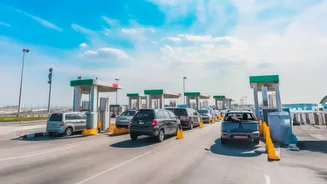
When we think of visa-free travel, we often picture airports and tourist destinations. However, for millions living in border towns, it represents something far more fundamental: the ability to cross a land border without extensive paperwork for work,
trade, or visiting family. These arrangements are often based on long-standing treaties and historical ties. Unlike tourist visas, overland entry permits cater to the unique rhythm of border life, where crossing into another country might be a daily necessity for selling produce at a market, attending school, or seeking medical care. They acknowledge that for many communities, the nearest major town or vital service might just be a few kilometres away, but in a different country.
The Economic Lifeline of Open Borders
Perhaps the most significant impact of visa-free access is economic. The 1,751-kilometre open border between India and Nepal, governed by the 1950 Indo-Nepal Treaty of Peace and Friendship, is a prime example. It allows for the free movement of people and goods, turning towns like Raxaul in Bihar and its Nepali counterpart Birgunj into bustling economic hubs that handle a massive volume of trade. This policy fosters countless small businesses and allows agricultural goods to flow freely, benefiting local economies on both sides. Furthermore, it enables a steady stream of labour mobility, with many Nepali citizens finding employment opportunities across India. This not only provides livelihoods but also generates crucial remittances that support families and communities back in Nepal.
Weaving a Common Cultural Fabric
Borders drawn by colonial powers often sliced through communities with shared languages, ethnicities, and traditions. Visa-free arrangements help mend these divisions and sustain a shared cultural identity. Along the India-Nepal and India-Bhutan borders, cross-border marriages are common, and families maintain deep connections that span generations. The ease of movement allows people to participate in religious pilgrimages and cultural festivals together, reinforcing a sense of belonging that transcends nationality. This constant interaction creates a vibrant, blended culture unique to these border regions, transforming what could be a political barrier into a zone of rich social exchange.
A Tale of Two Policies: Bhutan and Myanmar
India’s approach to its borders is not one-size-fits-all, as illustrated by its relationships with Bhutan and Myanmar. The India-Bhutan partnership is built on a robust Free Trade Agreement, which provides Bhutanese goods with duty-free access to the vast Indian market, a cornerstone of Bhutan's economic development. In contrast, the Free Movement Regime (FMR) with Myanmar was rooted in recognizing the kinship ties of ethnic groups living across the border. It allowed tribal residents to travel up to 16 kilometres into the other country without a visa, sustaining local trade and family connections. However, citing rising security concerns, including smuggling and insurgency, the Indian government announced in 2024 its decision to end the FMR and fence the border, highlighting the delicate balance authorities must strike between connectivity and national security.
Building a More Connected Neighbourhood
These overland agreements are more than just local arrangements; they are crucial components of India's broader 'Neighbourhood First' policy. By fostering economic interdependence and people-to-people connections, they build trust and stability in the region. When border towns thrive, it creates a ripple effect, reducing conflict and promoting shared prosperity. While challenges like illegal immigration and cross-border crime require constant vigilance and sophisticated management, the benefits of enhanced connectivity are clear. These policies demonstrate that a secure border does not have to be a closed one. Instead, well-managed open borders can become powerful engines for regional growth and cooperation.