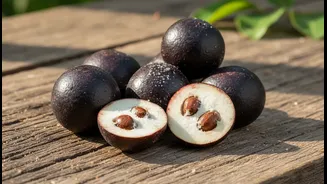









The Rise of a Humble Hero
If you’ve noticed a vibrant, ruby-red drink popping up on cafe menus next to the cold brew and kombucha, you've likely met kokum. For centuries, this deep purple fruit, scientifically known as Garcinia indica, has been a staple in the coastal kitchens
of the Western Ghats. Traditionally used as a souring agent in curries or transformed into a refreshing sherbet called solkadhi, its role was functional and familiar. Today, however, kokum is being rediscovered by a new generation. Driven by a broader trend towards celebrating indigenous ingredients and wellness-focused dining, chefs and cafe owners are exploring its potential beyond traditional uses. Its unique flavour—a tart, slightly sweet profile reminiscent of cranberry or plum—and its impressive health credentials make it a perfect ingredient for the modern palate.
The Health Halo: Unpacking the Benefits
Much of kokum's newfound fame is tied to its reputation as a superfood. It's not just hype; the fruit is packed with nutritional benefits. It is a powerhouse of antioxidants, particularly garcinol and anthocyanins, which give the fruit its rich colour. These compounds help fight oxidative stress and inflammation in the body. Traditional Ayurvedic practices have long valued kokum as a digestive aid, using it to soothe acidity and improve gut health. The fruit also contains Hydroxycitric Acid (HCA), a compound that has been studied for its potential role in weight management by suppressing appetite and inhibiting the body's ability to store fat, though more research is needed to confirm its efficacy. Furthermore, its cooling properties make it an excellent choice for hydration, helping to replenish fluids and regulate body temperature, especially during hot summers.
Proceed with Caution: Understanding the Risks
While kokum is generally considered safe when consumed in culinary amounts, its modern applications and potential for overconsumption warrant a balanced view. For most people, a daily kokum drink is harmless and healthy. However, its natural acidity may cause discomfort for individuals with severe acid reflux or sensitive stomachs if consumed in large quantities. The presence of HCA, often marketed in concentrated supplement form for weight loss, means that people with certain conditions should be mindful. Because it may have a mild effect on lowering blood sugar and blood pressure, individuals with diabetes or low blood pressure should consume it in moderation and consult a doctor if they have concerns. As with any ingredient, moderation is key. The traditional, balanced way of consuming kokum is still the wisest approach.
Beyond Sherbet: Kokum on the Modern Menu
Today's chefs are taking kokum far beyond the traditional sherbet. Its complex sourness makes it a fantastic substitute for tamarind or vinegar. In innovative cafes, you'll find it infused into everything from artisanal kombuchas and mocktails to savoury salad dressings. Some are using kokum extract to create bright, acidic vinaigrettes for prawn and quinoa salads, while others are dehydrating it to make a tangy seasoning powder for fries and snacks. It's being used to create visually stunning and flavourful drinks where its deep red hue can be showcased. This culinary creativity is part of a larger movement in Indian dining that champions local, authentic ingredients in new, exciting formats, moving away from generic fusion toward thoughtful, story-driven food.
For Aspiring Entrepreneurs: Practical Next Steps
For cafe owners or food entrepreneurs inspired by this trend, incorporating kokum can be a smart move. Start by sourcing high-quality dried kokum or kokum concentrate from reputable suppliers, preferably from its native Konkan region. Introduce it gradually to your menu with a single, standout offering, like a signature "Kokum Cooler" or a kokum-spiked iced tea. This allows you to test customer response without a major overhaul. The key to success is storytelling. Educate your customers about what kokum is, where it comes from, and its health benefits. Marketing it as a local, wellness-forward ingredient can resonate strongly with today's conscious consumers. Train your staff to describe its unique flavour profile so they can guide curious customers. By honouring its roots while presenting it in a fresh, modern context, you can successfully ride this exciting culinary wave.