



A Tale of Two Markets
Recent data paints a starkly contrasting picture of India's housing sector. The luxury segment, typically defined as homes priced above ₹1.5 crore, is witnessing a significant surge in both sales and new launches. For instance, in the first quarter of 2026,
luxury homes accounted for about 21% of total residential sales, with nearly 27,070 units sold. In contrast, the affordable housing segment has seen its momentum slow considerably. Sales in the sub-₹1 crore category have contracted, with one report noting a 21% year-on-year decline in fiscal 2026. New launches in the affordable category have also shrunk. According to CareEdge Ratings, homes priced below ₹1.5 crore, which made up 85% of new launches in Q1 2022, fell to just 47% in Q1 2026. This growing divide points to a market being reshaped from the top down.
The K-Shaped Economic Driver
This trend is a classic symptom of a "K-shaped" economic recovery, where different segments of the economy recover at vastly different rates. Following recent economic shifts, high-income households, including high-net-worth individuals (HNIs), non-resident Indians (NRIs), and senior corporate leaders, have seen their wealth grow. This affluent class of buyers is less sensitive to rising interest rates and inflation, which have put a strain on middle and lower-income household budgets. With more disposable income, these buyers are not just investing but upgrading their lifestyles, fueling demand for premium properties. Geopolitical uncertainties abroad have also prompted some NRIs, particularly from West Asia, to view Indian real estate as a stable, long-term investment.
The Post-Pandemic Priority Shift
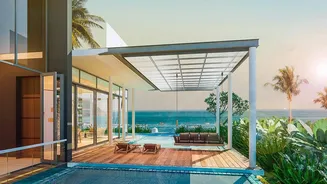
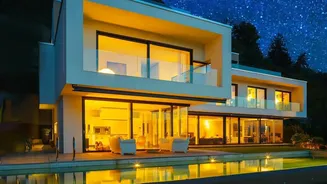
The very definition of a 'home' has evolved. The pandemic and the subsequent rise of hybrid work models have fundamentally changed what affluent buyers look for in a property. It's no longer just about a premium address. Today's luxury buyer is seeking an integrated lifestyle experience centered around wellness, privacy, and functionality. Demand has surged for larger homes with dedicated office spaces, better amenities like private pools and gyms, green spaces, and advanced smart-home technology. Developers have responded to this shift, launching projects that cater to these new, sophisticated demands for a holistic living environment.
The Developer's Profit Motive
From a supply-side perspective, developers are increasingly favouring luxury projects for a simple reason: higher profitability. The affordable housing segment operates on thin margins, which have been squeezed further by a sharp rise in input costs. Since 2021, the costs of crucial construction materials like steel and cement have escalated, alongside a significant spike in land prices across major cities. Land values in some corridors of NCR and Bengaluru, for example, have risen by as much as 130% since 2021. Faced with these rising expenses, building affordable homes has become less commercially viable. Developers find it far more lucrative to build premium homes where these higher costs can be more easily passed on to less price-sensitive buyers.
The Squeeze on Affordable Housing
On the other side of the spectrum, the target demographic for affordable housing is facing a significant squeeze. For this price-sensitive group, even minor increases in property prices or home loan interest rates can make homeownership unattainable. While the government has pushed initiatives like the Pradhan Mantri Awas Yojana (PMAY) to support this segment, the economic realities of rising project costs and stagnant income growth for many potential buyers have created a challenging environment. As developers pivot to the more profitable luxury market, the supply of new, well-located affordable housing is contracting, leaving a widening gap between aspiration and reality for a large portion of the population.