





An Answer to Modern Burnout
The pressures of the modern Indian workplace are well-documented. Recent global surveys have highlighted that a significant majority of Indian millennials and Gen Z report feeling exhausted and burnt out from their professional lives. This has fundamentally
changed the purpose of travel for many. Vacations are no longer just about sightseeing; they are becoming a crucial tool for mental and emotional maintenance. The frantic, multi-city tour is being replaced by a search for something deeper: a genuine opportunity to disconnect, reset, and recover. Travellers are now actively seeking destinations that offer peace and a break from their demanding routines, prioritising mental well-being over social media-worthy photo opportunities.
The Rise of 'Slow Travel'
This collective exhaustion has given rise to the 'slow travel' movement, an approach that prioritises quality over quantity. The philosophy is simple: instead of rushing through a dozen sights, you immerse yourself in one place, allowing for deeper connections with the local culture, landscape, and yourself. It’s a conscious rejection of the pressure to 'see everything', creating space for spontaneity, rest, and genuine experience. This mindset shift explains why travellers are increasingly drawn to journeys that are as meaningful as the destination itself. The goal is no longer to return with a camera full of pictures, but to come back feeling genuinely restored.
The Brahmaputra’s Gentle Rhythm
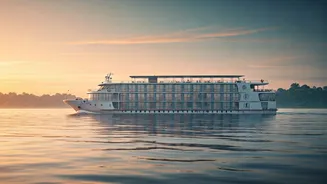
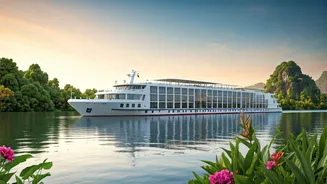
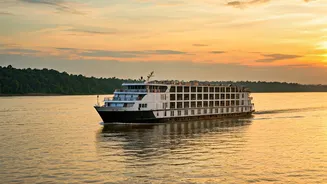
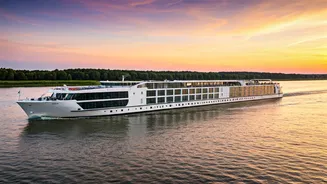
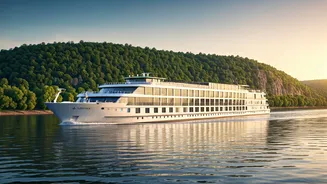
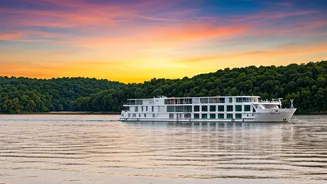
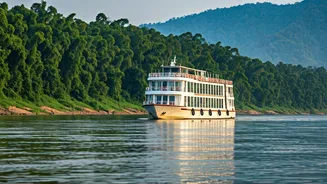
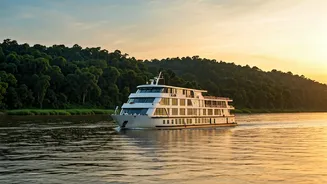
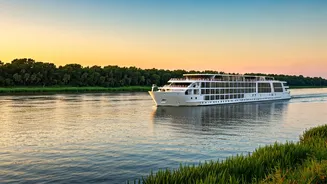
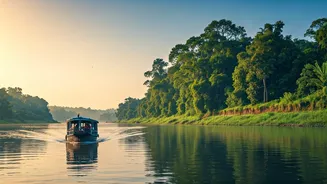
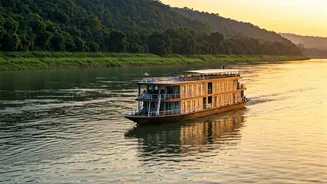
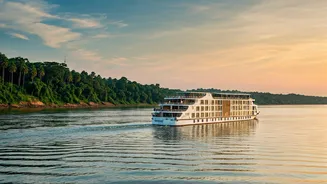
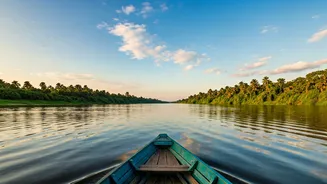
Nowhere is the spirit of slow travel more embodied than on the mighty Brahmaputra river in Assam. Often called the 'soul of Assam', this vast, braided river is a world away from the noise of city life. A journey here isn't about speed; it's about surrendering to the river's gentle, unhurried pace. River cruises glide slowly, allowing the landscape to unfold gradually. Days are measured by the sunrise, the sighting of wildlife on the banks, and bonfires on sandy river islands in the evening. This deliberate slowness forces a mental downshift, untethering travellers from the tyranny of schedules and deadlines and encouraging a state of mindfulness and presence.
A Journey of Rich Discovery
The appeal of Assam's rivers goes far beyond relaxation. It offers a rich tapestry of cultural and natural encounters that feel authentic and profound. Cruises often include safaris in Kaziranga National Park, a UNESCO World Heritage site where one-horned rhinoceroses roam freely. The journey is punctuated by stops at places like Majuli, the world's largest inhabited river island and a centre of neo-Vaishnavite culture, where ancient monastic traditions of music and mask-making are still alive. Travellers can visit bankside villages known for silk weaving, explore tea estates, and witness the unique spectacle of Gangetic dolphins in the water. It is this blend of nature, culture, and quiet contemplation that makes the experience so enriching.
The Mandatory Digital Detox
Perhaps one of the most potent healing aspects of a Brahmaputra journey is the enforced digital detox. The sheer remoteness of many parts of the river means that constant connectivity is not an option. For a generation accustomed to the 'always-on' culture of work emails and social media notifications, this provides a rare and much-needed respite. Being unplugged allows for a different kind of connection—with the immediate surroundings, fellow travellers, and one's own thoughts. It breaks the cycle of digital fatigue and allows the nervous system to truly rest, making the return to daily life feel less like a crash and more like a conscious, recharged re-entry.