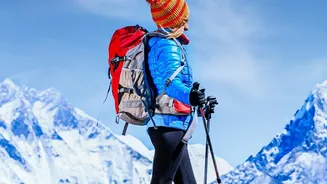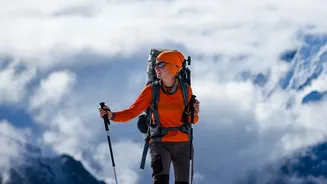



Unmatched Knowledge of Terrain and Conditions
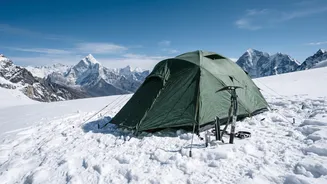
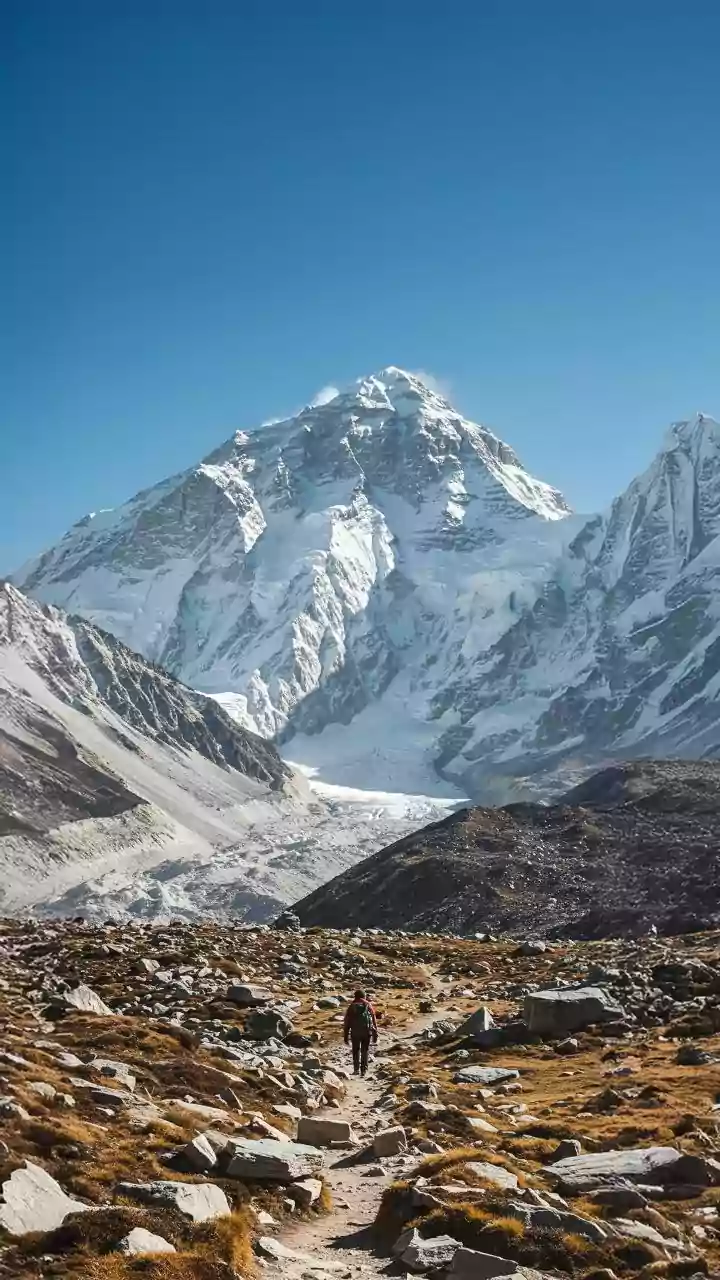
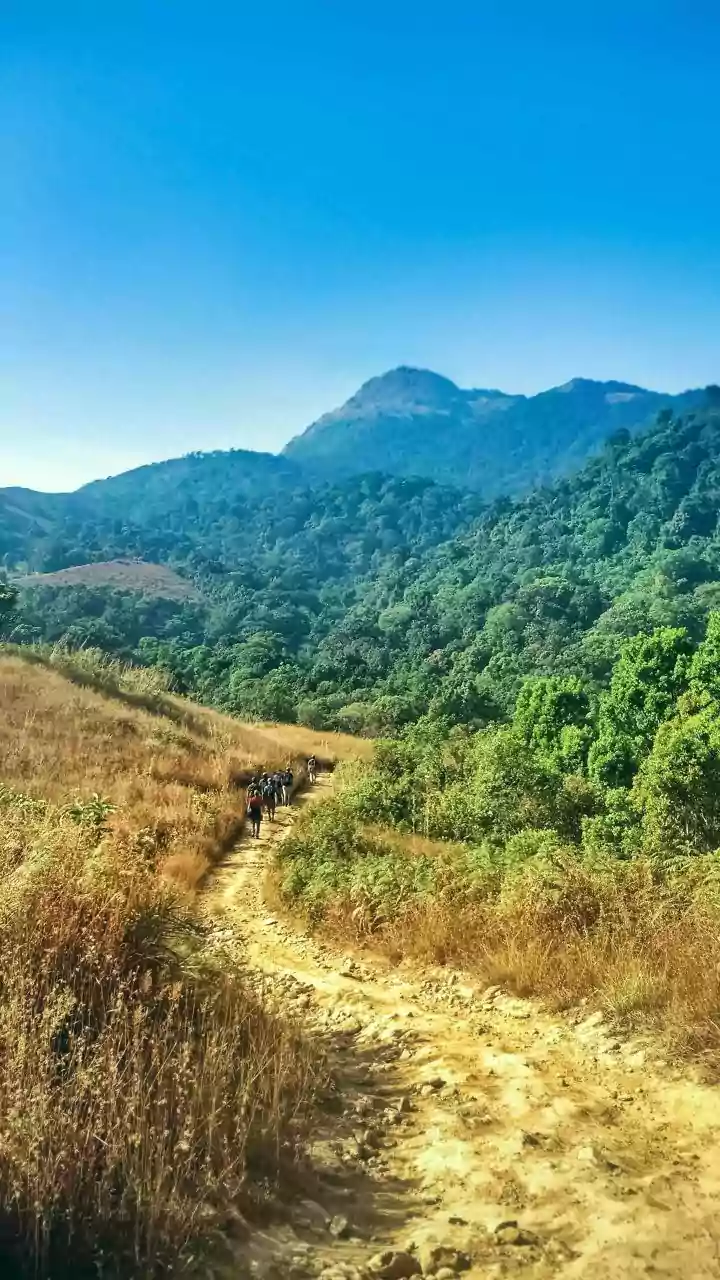
A local guide's greatest asset is a lifetime spent in the mountains. This isn't knowledge learned from a map; it's an intuitive understanding of the terrain that can't be taught. In winter, familiar summer trails disappear under snow, making navigation
extremely difficult. Local guides can identify the safest routes, interpreting the landscape for hidden dangers like covered crevasses or unstable slopes. Their experience allows them to assess trail conditions in real-time, knowing which paths become treacherous after fresh snowfall or a change in temperature. This intimate knowledge is critical in avalanche-prone regions, where they can spot warning signs—like cracks in the snow or the sound of 'whumpfing' layers—that an outsider would easily miss.
Masters of Acclimatisation
Altitude sickness is one of the most significant threats on any Himalayan trek. Symptoms can range from headaches and nausea to life-threatening conditions. Local guides are experts in managing the pace of an expedition to ensure proper acclimatisation. They enforce the 'climb high, sleep low' principle, planning itineraries that allow the body to gradually adjust to lower oxygen levels. They monitor the health of every trekker, recognizing early symptoms of Acute Mountain Sickness (AMS) that individuals might ignore or mistake for simple fatigue. Their decision to rest for a day or even descend to a lower altitude can be the difference between a successful trek and a medical emergency.
Interpreting Unpredictable Weather
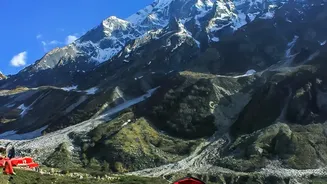
Himalayan weather is notoriously fickle and can change in minutes, especially in winter. A clear morning can quickly turn into a blizzard with strong winds and zero visibility. While modern forecasts are helpful, local guides possess an invaluable ability to read subtle, immediate signs in the clouds, wind, and air pressure that technology often misses. They know when a storm is rolling in and whether it's safer to push on to the next shelter or turn back. This expertise is crucial for crossing high passes, where exposure to the elements is greatest. A guide's judgment call, based on years of observation, is the best defence against being caught in a dangerous storm.
Wilderness First Responders
In the remote wilderness, help is often hours or even days away. Local guides are trained as the first line of defence in an emergency. Reputable guides have first-aid certifications and are experienced in treating common trekking ailments, from severe blisters to the initial stages of frostbite and hypothermia. In the event of a serious injury or illness, they are the critical link for coordinating a rescue. They know the evacuation procedures, have connections with local lodges and rescue services, and can often communicate more effectively to arrange for assistance, such as a helicopter evacuation. This logistical know-how is indispensable when every second counts.
The Cultural and Logistical Linchpin
Beyond the technical skills, local guides serve as a vital cultural bridge and logistical anchor. Their ability to communicate with local communities can secure shelter in a storm, arrange for supplies if rations run low, or simply gather crucial information about trail conditions ahead. This network of local contacts provides a safety net that independent trekkers simply do not have. In a region where a successful trek depends as much on logistics and community relationships as it does on physical strength, a local guide's presence transforms a high-risk gamble into a well-managed expedition. They are not just navigating the terrain; they are navigating the complex human and environmental ecosystem of the Himalayas.