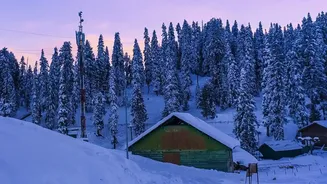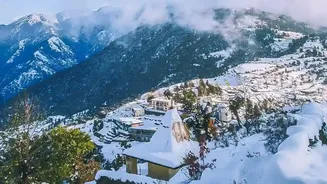

When you picture Kashmir in winter, chances are you see the snowy slopes of Gulmarg. But beyond this famous ski resort lies a world of frozen lakes, quiet valleys, and serene landscapes waiting to be discovered by the winter traveller.
Srinagar: The Wintry Heart of the Valley
Srinagar in winter
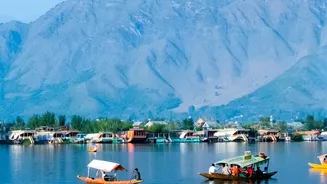
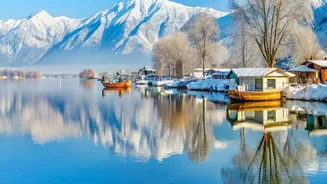
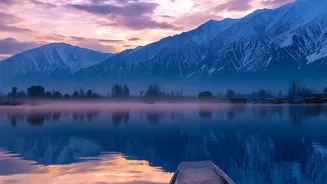
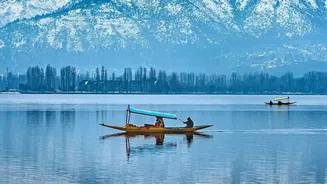
is an experience of profound quiet and beauty. The iconic Dal Lake takes on a mystical quality, with parts of it often freezing over. A shikara ride through the misty, icy waters offers a unique perspective of the surrounding snow-dusted Zabarwan Range. While the famous Mughal Gardens like Shalimar Bagh and Nishat Bagh are dormant, they possess a stark, structural beauty when covered in a layer of snow. A stay in a traditional, well-heated houseboat provides a cosy refuge from the cold, allowing you to wake up to serene, frosty mornings on the lake. For a taste of local life, an early morning visit to a local bakery for harissa, a traditional winter meat dish, is a must, best enjoyed with a warm cup of Kashmiri kahwa. The city serves as the perfect, tranquil base for exploring other parts of the valley.
Pahalgam: The Valley of Shepherds in Snow
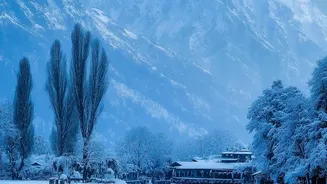
Known for its lush green meadows in summer, Pahalgam transforms into a peaceful white paradise in winter. It’s a quieter, more relaxed alternative to the bustling slopes of Gulmarg. The Lidder River flows through snow-covered banks, creating picture-perfect scenes. While some higher-altitude spots may have restricted access after heavy snowfall, the main town and the stunning Betaab Valley usually remain open. A gentle pony ride or a walk through the silent, snow-laden pine forests is a rejuvenating experience. The accessible Aru Valley, a short drive from Pahalgam, is another gem offering breathtaking views of pristine, untouched snowscapes, making it ideal for those seeking solitude and a deep connection with nature.
Sonamarg: The Newly Accessible Meadow of Gold
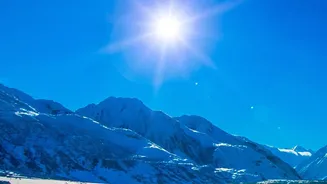
Until recently, Sonamarg was largely cut off from the world during winter. However, with the opening of the all-weather Z-Morh Tunnel in 2025, the 'Meadow of Gold' is now a viable winter destination. Located about 80 kilometres from Srinagar, Sonamarg offers dramatic, high-altitude scenery with imposing mountains and frozen streams. While access to the upper reaches like Thajiwas Glacier and Zoji La Pass remains conditional and often closed in deep winter, the journey to Sonamarg itself is a spectacular adventure. The area is perfect for a day trip from Srinagar to experience a different, more rugged side of Kashmir's winter beauty, with opportunities for snow play and photography in a raw, alpine environment.
Yusmarg: The Offbeat Winter Meadow
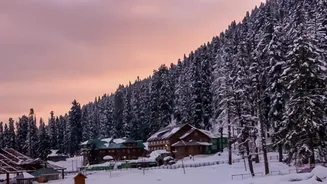
For travellers looking to truly get away from the crowds, Yusmarg is the answer. Situated in the Budgam district, this destination is considered an offbeat gem. In winter, its vast meadows are blanketed in thick, undisturbed snow, surrounded by dense pine forests. Yusmarg is less about organised activities and more about soaking in the profound silence and pristine nature. The road to Yusmarg can be challenging after heavy snowfall, so it is crucial to check conditions before heading out. For those who make the journey, the reward is a tranquil landscape perfect for gentle snow walks, sledging, and experiencing a side of Kashmir that feels truly untouched. It's an ideal spot for a day trip focused on peace and solitude.
Crafting Your Winter Itinerary
A well-'rounded' winter trip to Kashmir can last 5 to 7 days. Start by acclimatizing for a day or two in Srinagar, enjoying the city's unique winter charms. From there,' plan day trips or overnight stays.' A day excursion to Sonamarg is now feasible,' while Pahalgam deserves at least one or two nights to fully appreciate its tranquillity.' A day trip to Yusmarg can be added for an offbeat experience if road conditions are favourable.' It's essential to hire an experienced local driver with a vehicle equipped for snowy conditions.' Always pack in layers,' including thermal wear,' insulated jackets,' waterproof boots,' and accessories like gloves and hats.' Flexibility is key;' build extra time into your schedule for potential weather-'related' delays and always check road statuses before you travel.