


More Than Just Saving Water
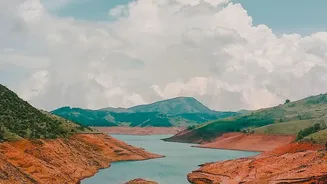
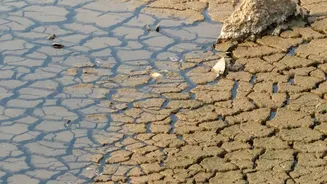
The move towards low-water gardening, often called xeriscaping, is more than a practical response to water scarcity; it's a fundamental shift in our perception of what a garden should be. For generations, the ideal was often a lush, green lawn—a concept
largely imported and often unsuited to many of India's diverse climates. This model requires immense resources, from constant watering to fertilisers. The new approach shows a deeper understanding of our local environment. It’s about designing gardens that work with nature, not against it, reducing maintenance, saving money on water bills, and creating habitats that support local ecosystems.
The New Design Philosophy
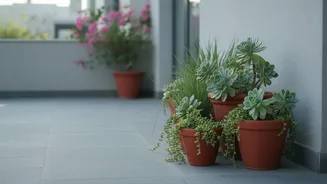
So, what does this design shift actually look like? It’s far more creative than just a landscape of rocks and cacti. The core principle is planning. A successful low-water garden starts with a thoughtful design that considers sunlight, soil type, and natural drainage. A key strategy is grouping plants with similar water needs together, creating 'hydrozones'. This prevents over-watering some plants just to keep thirstier ones alive. It's an intelligent, efficient approach that treats the garden as a connected system. Another vital element is improving the soil with organic matter and using mulch, like wood chips or gravel, to help retain moisture, reduce evaporation, and suppress weeds.
Redefining Garden Beauty
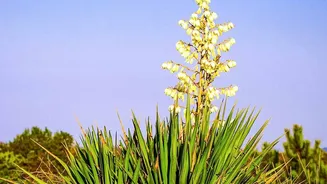
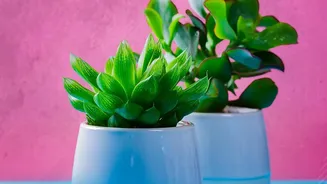
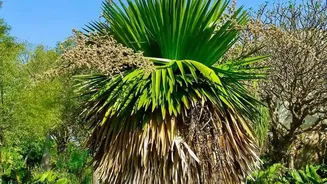
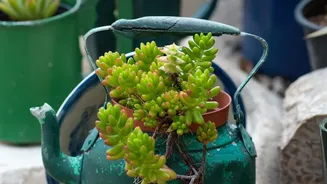
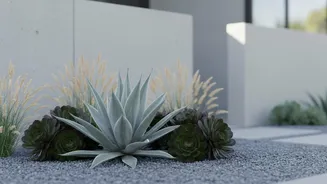
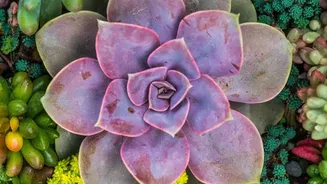
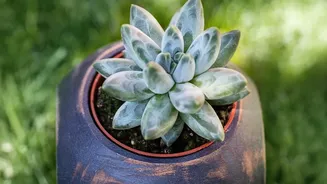
Perhaps the most significant change is in our aesthetics. The low-water gardening movement asks us to find beauty beyond a uniform green lawn. It celebrates texture, form, and colour in a much broader sense. Instead of just leaves and petals, the visual interest comes from the silvery foliage of a sage plant, the architectural shape of an agave, or the delicate sway of native grasses. This approach encourages a new appreciation for plants that are naturally adapted to our environment. It shows a move away from a 'one-size-fits-all' idea of beauty towards a more authentic, place-based aesthetic that reflects the unique character of India’s varied landscapes.
Embracing Native and Drought-Tolerant Plants
The heroes of the low-water garden are the plants themselves. Using native and drought-tolerant species is crucial. These plants have evolved over millennia to thrive in local conditions, meaning they are naturally resilient to dry spells and require minimal intervention. For Indian gardens, this could mean vibrant Bougainvillea, fragrant Jasmine (Mogra), or colourful Periwinkle (Sadabahar), all of which are famously hardy in hot, dry conditions. Others like Palash (Flame of the Forest), Neem, and various native grasses offer shade, beauty, and ecological benefits without demanding excess water. Choosing these plants not only saves water but also provides food and shelter for local birds and pollinators, creating a garden that is truly alive.
The Rise of Smart Hardscaping
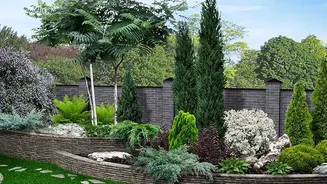
This design shift also gives a more prominent role to 'hardscaping'—the non-plant elements of a garden. Patios, pathways, and seating areas are no longer just afterthoughts; they are integral components that reduce the amount of water-guzzling lawn space. But modern hardscaping is also smart. Using permeable pavers or gravel paths allows rainwater to seep into the ground, replenishing groundwater instead of running off into storm drains. Retaining walls can be used to create terraced beds that prevent soil erosion and manage water flow. These elements add structure, functionality, and year-round visual interest, proving that a beautiful garden doesn't need to be entirely covered in plants.