




The Earthy Allure of Vetiver
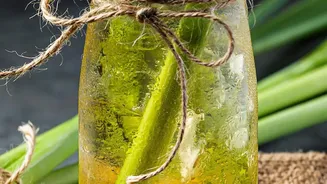
Known in India as 'khus', vetiver is a perennial grass whose power lies not in its blades, but in its deep, aromatic roots. For centuries, these fibrous roots have been celebrated in Ayurvedic traditions for their profound cooling and calming properties.
Often called the 'oil of tranquility', vetiver has a distinct and complex fragrance: earthy, woody, and slightly smoky, reminiscent of damp soil after the first rain. This isn't the loud, sugary punch of a typical fruit syrup. Instead, it offers a grounding, sophisticated scent and flavor that is both refreshing and deeply comforting. Traditionally, it has been woven into mats that are sprinkled with water to cool and perfume homes during hot summers or used to create the famous green 'khus sherbet', a staple beverage for beating the heat.
The Art of the Slow Steep
The magic of vetiver is unlocked through a gentle process: slow steeping, also known as cold brewing. Unlike traditional hot brewing which uses heat for a quick extraction, cold brewing involves steeping ingredients in cold or room-temperature water for several hours. This patient method has a significant advantage. Hot water can release tannins from tea leaves, which often results in bitterness and astringency. The slow, cold infusion, however, coaxes out the delicate, nuanced flavors, resulting in a smoother, naturally sweeter, and more refined beverage. This makes it the perfect technique for a subtle ingredient like vetiver, allowing its complex aromatic compounds to fully express themselves without being overpowered or distorted by heat.
Natural Freshness vs. Sugary Shortcuts
The move toward vetiver represents a larger shift in consumer taste. For years, the iced tea market has been dominated by artificial syrups that deliver a predictable, one-dimensional sweetness. While convenient, these syrups often come with a cloying aftertaste and the inevitable sugar crash. The trend towards natural ingredients is a response to a growing demand for transparency and authenticity. Consumers are reading labels more carefully and seeking out drinks with simple, recognizable ingredients. Vetiver-infused tea offers a clean, sophisticated freshness that artificial flavors struggle to replicate. Its natural complexity provides a multi-layered sensory experience—a cooling sensation, an earthy aroma, and a subtly sweet finish—that satisfies the palate without overwhelming it with sugar.
More Than Just a Refreshing Drink
The appeal of vetiver goes beyond its unique taste. It taps directly into the modern wellness movement. In Ayurvedic medicine, vetiver is revered for its ability to cool the body, making it ideal for staving off heat-related fatigue. Its benefits are not just physical; the aroma is known to have grounding and calming effects on the mind. Many use it to reduce stress, ease anxiety, and promote a sense of tranquility. Vetiver is also rich in antioxidants and is traditionally used to support digestion. By choosing a vetiver-steeped tea, consumers are not just picking a drink; they are engaging in a small act of self-care, embracing an ingredient that offers both refreshment for the body and relaxation for the mind.
A Trend to Try at Home
You don't need to wait for this trend to appear at your local cafe. Making vetiver-infused tea at home is remarkably simple. Start with a few dried vetiver roots, which can be found at Indian grocery stores or online. After rinsing them thoroughly, place them in a pitcher of cold water. You can add them alongside your favorite loose-leaf tea—a light green or white tea works beautifully—or simply infuse the water with vetiver on its own. Let the mixture steep in the refrigerator for at least 6-8 hours, or overnight for a stronger flavor. The next day, simply strain the liquid and enjoy it over ice. For a twist, add a squeeze of lemon or a sprig of mint to complement vetiver's earthy notes.