






The Shifting Talent Landscape
The long-established path for ambitious professionals in India—migrating to hubs like Mumbai, Bengaluru, or Delhi-NCR—is no longer the only route to success. A significant trend is gaining momentum, with companies increasingly turning their recruitment
focus toward Tier-2 and Tier-3 cities. According to a recent report, 69% of organisations have increased their hiring from these smaller cities by more than 30% in the last two years alone. This isn't just a temporary adjustment; 55% of employers expect the majority of their hiring to happen in these locations within the next three years. This strategic pivot is transforming cities like Jaipur, Indore, Coimbatore, and Visakhapatnam into the nation’s new employment powerhouses.
A Win-Win Economic Equation
The primary driver behind this migration is a compelling economic advantage for businesses. Operating costs, particularly real estate, are significantly lower in non-metro areas. Some estimates suggest that companies can slash rental expenses by nearly 50% and reduce salary overheads by 25-30% compared to major urban centres. For example, sourcing AI talent in emerging cities can be 40-50% cheaper than in Bengaluru. But it’s not just about cost savings. Companies report that employees from smaller towns exhibit stronger loyalty and lower attrition rates. This translates to reduced hiring and training costs, better operational stability, and a more cohesive internal culture.
Why Talent Is Choosing to Stay Home
This corporate shift aligns perfectly with the evolving priorities of the modern Indian workforce. The pandemic normalized remote and hybrid work, decoupling geography from opportunity and allowing professionals to build careers from their hometowns. Many are now prioritizing a better quality of life, which smaller cities can offer through lower living costs, shorter commutes, and closer proximity to family. For a growing number of professionals, especially those under 35, these lifestyle benefits now outweigh the appeal of a higher salary in a congested metro. Consequently, the reverse migration of skilled talent back to their roots has created a ready-made, industry-capable workforce that companies are eager to tap into.
The Rise of New Industrial Hubs
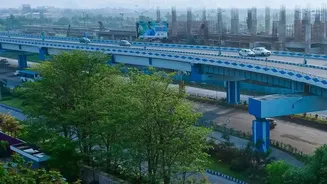
This decentralisation is not happening randomly. Years of government investment in infrastructure and connectivity are paying off, allowing smaller cities to develop into specialised economic clusters. Pune, for instance, is no longer just a satellite of Mumbai but a major business centre in its own right, with office leasing jumping 56% in the first half of 2026. Cities like Coimbatore are leveraging their strong industrial base, while Jaipur is becoming a key destination for IT and business support operations. The manufacturing and engineering sectors, in particular, are expected to drive the highest demand for talent in these areas, signalling a broad-based industrial expansion.
Challenges on the Horizon
Despite the momentum, the road ahead is not without its obstacles. Infrastructure and connectivity, while improving, remain the biggest constraints for 60% of employers looking to expand beyond the metros. While the talent pool is vast, there can be gaps in niche skills and global delivery experience that companies must address through targeted training and development. For this trend to be sustainable, continued investment in digital infrastructure, specialised education, and creating robust local business ecosystems will be crucial. The focus must shift from simply finding cheaper talent to building long-term, strategic workforce capabilities across the country.