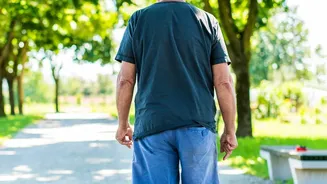








What Exactly Is an Active Recovery Walk?
The term 'active recovery' refers to engaging in low-intensity activity after a strenuous workout or during a rest day. Unlike passive recovery, which involves complete rest like sitting on the couch, active recovery keeps your body moving gently. This
promotes blood flow and helps your muscles repair themselves more efficiently. A 15-minute walk is a perfect example. It's not about breaking a sweat or pushing your limits; the goal is to move at a comfortable, easy pace that helps your body wind down and reset, whether that's after a tough gym session or a large meal.
Taming Post-Meal Blood Sugar
One of the most significant benefits of a post-meal walk is its effect on blood sugar, or glucose. After you eat, especially a meal rich in carbohydrates, your body breaks it down into glucose, which enters your bloodstream. A short walk prompts your muscles to use this glucose for energy, drawing it out of the bloodstream and helping to prevent a sharp spike. Research has shown that walking for just 10 to 15 minutes after eating can be highly effective at moderating blood sugar levels. This practice is particularly beneficial for individuals managing prediabetes or diabetes, but it's a healthy habit for everyone to adopt for better metabolic health.
Easing Muscle Aches and Pains
If you're dealing with muscle soreness from a previous workout, a gentle walk might be the last thing you feel like doing, but it can provide significant relief. Light activity increases circulation, which delivers oxygen-rich blood and vital nutrients to your tired muscles. This enhanced blood flow also helps to clear out metabolic waste products that can contribute to stiffness and soreness. An active recovery walk can reduce that feeling of tightness, improve mobility in your joints, and help you feel less stiff, making it easier to get back to your regular activities without nagging pain.
How to Get the Most from Your Walk
Timing and intensity are key to an effective recovery walk. To best manage blood sugar, aim to start your walk within 30 to 60 minutes of finishing your meal. The pace should be leisurely and low-impact. You should be able to hold a conversation comfortably without feeling out of breath. If you're huffing and puffing, you've moved past recovery and into a workout zone. Remember, the goal isn't to burn a massive number of calories but to aid your body's natural processes of digestion and muscle repair. This short, 15-minute commitment is a sustainable habit you can easily integrate into your daily routine.