






The New Direct Connection
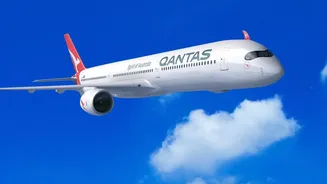
Air India has announced a new, seasonal non-stop service connecting Mumbai and Toronto, a major convenience for travellers from western India. The direct flights are scheduled to operate three times a week from October 25, 2026, to March 26, 2027. During
this period, Air India will be the only carrier offering a direct connection between the two major cities. The route will be serviced by an upgraded Boeing 777-300ER aircraft, featuring refreshed interiors across First, Business, and Economy classes, and will include onboard Wi-Fi. This new option eliminates the need for layovers in Delhi or international hubs in the Middle East or Europe, significantly cutting down on travel time for passengers.
Deconstructing the Ticket Price
The price you first see online is rarely the final amount you pay. Every airfare is composed of several parts. The Base Fare is the airline's core price for the seat. Added to this is the Fuel Surcharge, which can fluctuate. The rest consists of various taxes and fees, including airport user development fees and security charges collected on behalf of government bodies. When comparing flights, it's essential to advance to the final payment screen on different airline websites or portals. This is the only way to see the all-inclusive price after all mandatory taxes and surcharges have been added, giving you a true starting point for comparison.
The Baggage Allowance Factor
Baggage is one of the most significant variables in the total cost of an international flight. For its India-to-Canada routes, Air India's economy class typically includes a generous allowance of two checked bags, each weighing up to 23 kg. This is a crucial detail, as a competing airline might offer a slightly lower initial fare but only include one checked bag, or none at all. The cost of adding a second bag can be substantial, often running over a hundred dollars. Before you book based on a low headline price, always verify the included baggage allowance. Pre-purchasing extra baggage online is almost always cheaper than paying for it at the airport check-in counter.
Watch for Ancillary Fees
Beyond baggage, a host of optional add-ons, or ancillary fees, can quickly inflate your travel budget. The most common is advance seat selection. While you can always get a seat assigned for free at check-in, choosing a specific window, aisle, or extra-legroom seat beforehand comes at a cost. While meals are usually included on full-service long-haul carriers like Air India, some budget-focused international airlines may charge for them. Other potential charges include fees for Wi-Fi access, priority boarding, and convenience fees charged by some online travel portals on the payment page. Sum up the cost of the extras you truly need to see which airline offers better overall value.
Direct vs. One-Stop: A True Cost-Benefit Analysis
The new Air India flight offers the unmatched advantage of a direct connection, saving you many hours of travel time. However, one-stop flights from other carriers might still appear cheaper. When comparing these, look beyond the ticket price. Factor in the length of the layover; an extremely long stop might require accommodation costs. Also, consider the location of the layover, as some countries may require a transit visa, which adds another expense and application process. Finally, connecting flights introduce the risk of delays and missed connections. The premium paid for a non-stop flight is often a worthwhile investment in convenience, comfort, and peace of mind.