






The Rise of the AI Co-Pilot
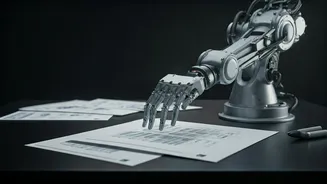
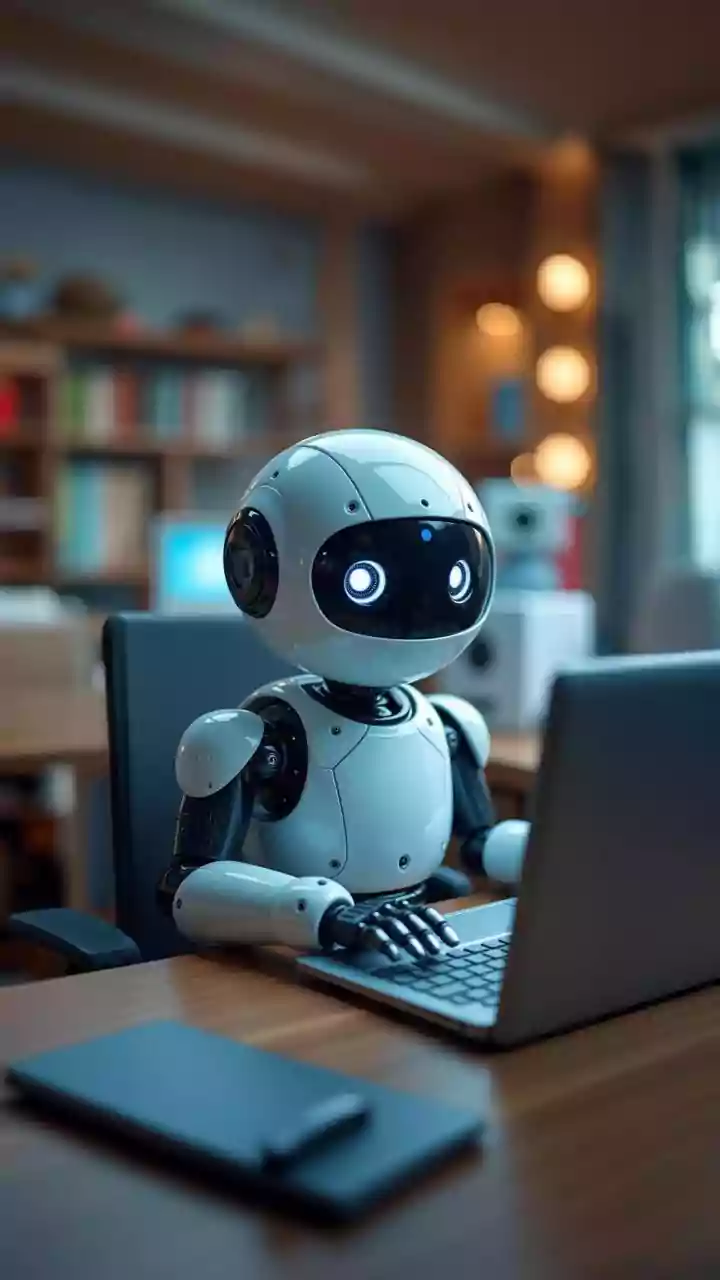
For a growing number of creators, AI has become an indispensable assistant. Instead of replacing human talent, AI is augmenting it, handling the repetitive and time-consuming aspects of content production. A 2026 survey found that over 80% of creators use
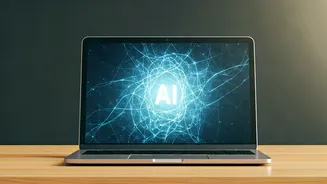
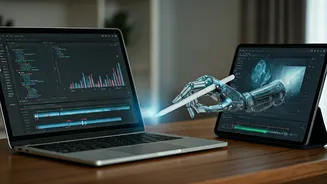
AI for brainstorming and writing, with many others using it for research and data analysis. Tools like ChatGPT are used to generate video ideas and draft pitches, while platforms like Opus Clip can break long-form videos into dozens of social media-ready shorts in minutes. This shift allows creators to focus less on tedious editing and more on the uniquely human elements of their work: strategy, storytelling, and community engagement. Some have even reduced their need for large support teams, using AI to manage workflows that once required multiple assistants.
The Copyright and Ownership Maze
While AI accelerates production, it also introduces a legal minefield, particularly around copyright. Traditional copyright law is built on the foundation of human authorship. In the U.S., works generated entirely by AI cannot be copyrighted because they are not created by a person. This creates a dilemma: who owns AI-generated content? The user who wrote the prompt, or the company that built the AI? The situation becomes even more complex when considering the data used to train AI models. Many AI systems are trained on vast amounts of copyrighted material scraped from the internet without permission, leading to high-profile lawsuits from media companies and artists. For creators, this raises urgent questions about the unauthorised use of their work to train competing AI systems and the legal standing of the content they produce using AI tools. The lack of clear licensing rules is a significant concern, with 73% of creators believing it could limit their future business opportunities.
An Authenticity Crisis?
The core of the creator economy is the trust and connection between a creator and their audience. The rise of AI-generated content, deepfakes, and virtual influencers threatens to erode this foundation. While AI-generated personalities can produce content at an incredible scale, they often lack the emotional resonance and lived experience that audiences form relationships with. There is a growing demand for transparency; one survey showed 90% of consumers want to know when AI is used in content. Platforms like YouTube have introduced labels for "altered content" to address this, and early data suggests these labels can reduce engagement on entertainment content where authenticity is highly valued. As AI content becomes more common, human creativity is increasingly seen as a premium. The most successful creators will likely be those who use AI as a tool while doubling down on their unique human perspective, which cannot be replicated.
Navigating New Ethical Terrain
Beyond copyright and authenticity, AI presents a host of ethical challenges. AI models trained on biased data can perpetuate harmful stereotypes in the content they generate. The potential for misuse is vast, from creating fake product reviews to spreading misinformation and deepfakes at an unprecedented scale. This places a significant responsibility on creators to act as human gatekeepers, ensuring the accuracy and ethical integrity of any AI-assisted output. Guidelines for responsible AI use are emerging, emphasizing human oversight, transparency with audiences, and accountability for the content produced. The industry is grappling with how to balance the immense opportunities of AI with the need to prevent its misuse and maintain a fair and inclusive digital ecosystem.