




Protein and Its Building Blocks
First, a quick science lesson. Proteins are essential for nearly everything your body does, from building muscle and repairing tissue to making hormones and enzymes. These proteins are made up of smaller units called amino acids. There are 20 different
amino acids, but nine of them are called 'essential amino acids'. Our bodies can't produce these nine on their own, so we must get them from the food we eat. A food that contains all nine of these essential amino acids in sufficient amounts is called a 'complete protein'. Animal products like meat, eggs, and dairy are generally complete proteins, but most plant-based foods are 'incomplete', meaning they are low in one or more essential amino acids.
The Lentil's Missing Piece
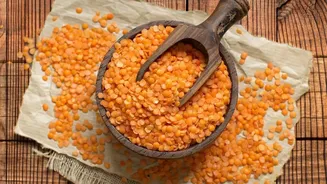
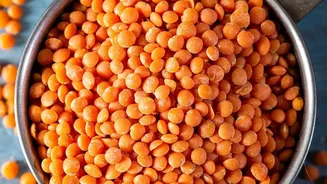
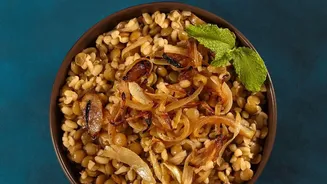
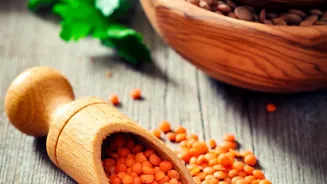
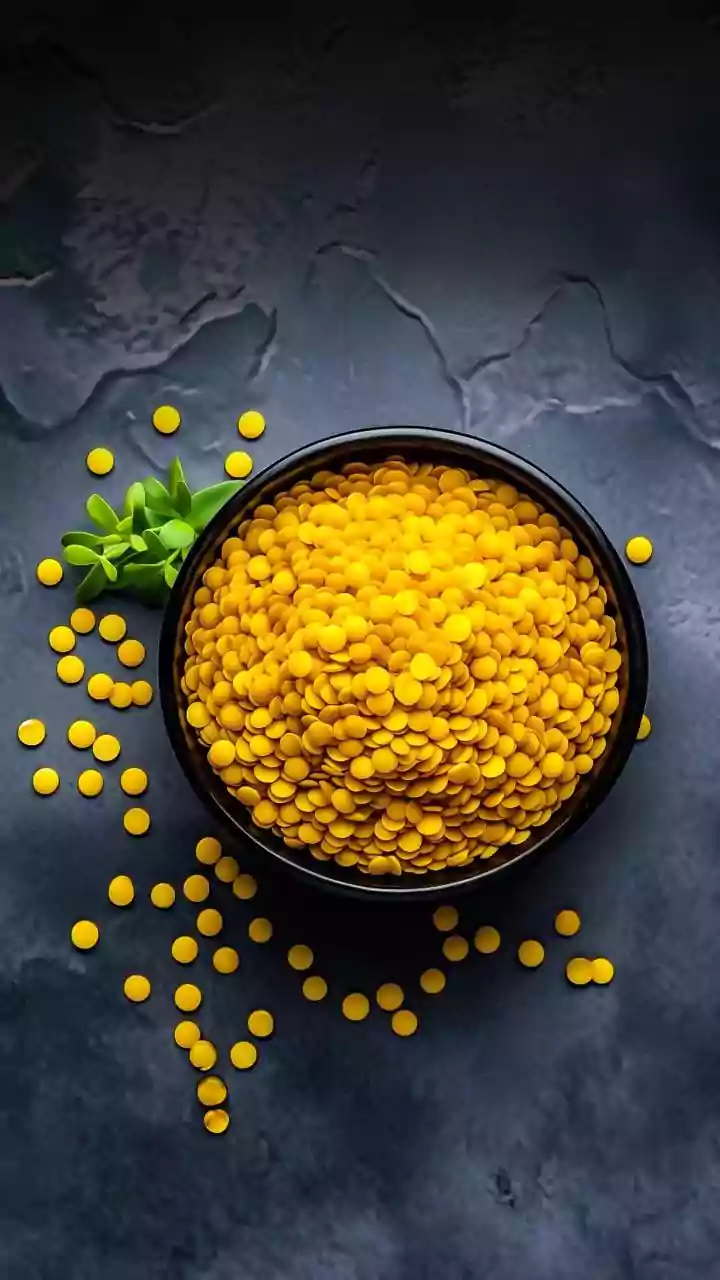
Lentils are a nutritional champion, packed with protein, fibre, and vital minerals. A single cup of cooked lentils provides a significant amount of your daily protein needs. They contain all nine essential amino acids, but there's a small catch. Legumes, including lentils, are typically low in two specific sulfur-containing essential amino acids: methionine and cysteine. While they are rich in another essential amino acid, lysine, this deficiency in methionine means that on their own, they don't quite meet the definition of a complete protein. Think of it like a puzzle with one or two pieces that don't quite fit perfectly.
How Seeds Come to the Rescue
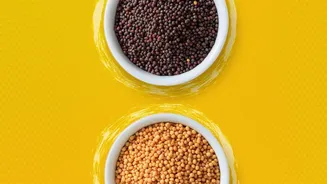
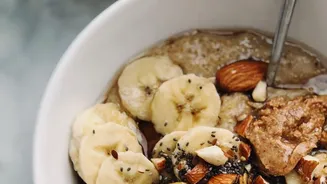
This is where the magic of pairing comes in. Many nuts and seeds happen to be rich in the very amino acids that lentils lack. Seeds like pumpkin seeds, sesame seeds, and sunflower seeds contain higher levels of methionine and cysteine. By combining lentils and seeds, you are essentially filling in each other's nutritional gaps. The lysine that is abundant in lentils complements the lower lysine levels in some seeds, while the seeds provide the methionine that lentils are missing. Together, they form a meal that delivers all nine essential amino acids in the right proportions, creating a high-quality, complete protein source entirely from plants.
Simple and Delicious Pairings
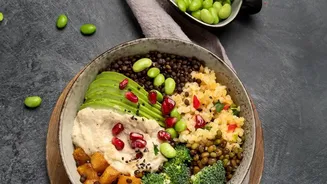
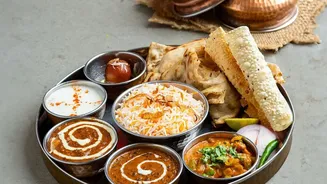
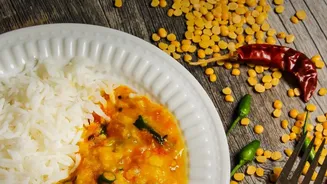
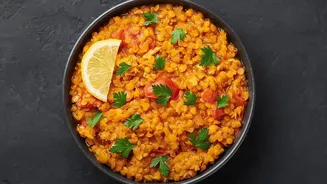
The best part is that incorporating this powerful combination into your diet is simple and aligns perfectly with many traditional Indian cooking practices. You don't need to prepare separate, complicated dishes. A classic dal can be transformed by tempering it with sesame seeds. A handful of roasted pumpkin or sunflower seeds can be sprinkled over a lentil soup or salad for a crunchy, nutritious topping. You can blend tahini (a paste made from sesame seeds) into a lentil dip similar to hummus. Even grinding roasted seeds and adding the powder to your lentil batter for cheelas or adais can boost the protein profile. These small additions are easy to make a habit and significantly enhance the nutritional value of your meal.
A Modern View on Protein Combining
For many years, the advice was that you had to eat complementary proteins within the same meal to get the full benefit. However, modern nutritional science has updated this view. Research now shows that the body maintains an 'amino acid pool', drawing on amino acids from foods eaten throughout the day. This means that as long as you eat a varied diet that includes different sources of plant protein—legumes, grains, nuts, and seeds—over the course of the day, your body can combine them as needed. So, while pairing lentils and seeds in one meal is a fantastic and efficient strategy, don't stress if you can't do it every single time. The key is overall variety in your daily diet.