






Why Your Balcony Needs an Herb Garden
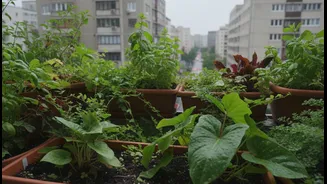
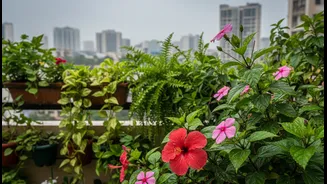
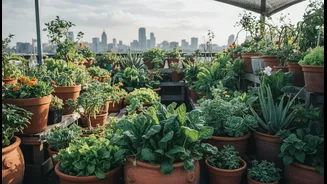
In a bustling metropolis, a patch of green on your balcony is more than just decoration; it's a sanctuary. Growing your own herbs offers a surprising number of benefits that enhance daily life. Imagine snipping fresh Tulsi for your morning tea, grabbing
a handful of mint for a chutney, or tossing homegrown basil into your pasta. This connection to your food provides unparalleled freshness and flavour that store-bought herbs simply cannot match. Beyond the kitchen, the simple act of gardening is a proven stress reducer, offering a mindful escape from screens and deadlines. It’s also a step towards a more sustainable lifestyle, reducing plastic packaging and the carbon footprint associated with food transportation. A small collection of pots can become a source of daily joy, improved well-being, and culinary inspiration.
Seize the Monsoon Moment
July in Bengaluru provides the perfect climate for gardening. The scorching summer heat has subsided, replaced by cooler days and higher humidity. This combination creates the ideal conditions for seeds to germinate and saplings to establish strong roots. The natural, consistent watering from the monsoon showers does half the work for you, reducing the risk of plants drying out and minimizing your daily watering duties. The moist air also helps cuttings root more quickly, making this the best time to propagate plants like mint. This forgiving season is especially encouraging for beginners, as the survivability of new plants is significantly higher than during the hot, dry months.
Your Balcony Starter Kit
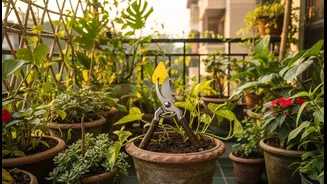
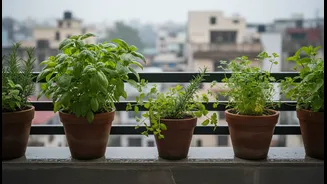
Getting started is simpler and less expensive than you might think. You don't need a large space or fancy equipment. First, assess your sunlight. Most herbs need at least four to six hours of light a day, so an east or south-facing balcony is ideal. For your starter kit, you will need a few basic items: pots with drainage holes to prevent waterlogging, a good quality potting mix (usually a combination of soil, compost, and cocopeat for better drainage), and, of course, your chosen plants. You can start with seeds or, for quicker results, buy small saplings from a local nursery. A small hand trowel and a watering can will round out your essential tools.
Top 5 Herbs for a Bengaluru Balcony
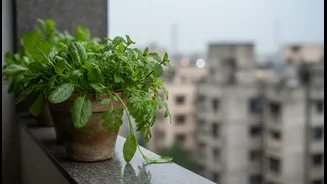
Choosing the right plants is key. These five herbs are well-suited to Bengaluru's climate, are relatively low-maintenance, and are staples in Indian kitchens. 1. Tulsi (Holy Basil): A must-have in most Indian households, Tulsi is revered for its medicinal properties and thrives in the monsoon. It's resilient, requires moderate sunlight, and regular pruning will keep it bushy. 2. Mint (Pudina): This fast-growing, aromatic herb is incredibly easy to grow and loves damp conditions. It's best to keep mint in its own pot, as its aggressive roots can quickly take over. 3. Coriander (Dhaniya): An essential garnish, coriander grows quickly from seed during the cooler, rainy season. You can harvest it within a few weeks for fresh flavour. 4. Curry Leaves (Kadi Patta): While it's a slow starter, establishing a curry leaf plant is a long-term investment. It loves the sun and its fragrant leaves are indispensable in South Indian cooking. 5. Basil: The king of herbs, Italian basil loves sun and adds a zesty flavour to a variety of dishes. It is a must-have for any balcony garden.
Simple Care, Big Rewards
The secret to a thriving herb garden is consistent but simple care. Once the monsoon recedes, you'll need to establish a regular watering routine. Check the top inch of soil; if it feels dry, it's time to water. Most herbs don't like to be waterlogged. To encourage bushier growth and ensure a continuous supply, harvest your herbs regularly. Simply snip off the leaves you need. This not only gives you fresh ingredients but also signals the plant to produce more foliage. Keep an eye out for pests, which can be more common in humid weather. A simple spray of neem oil solution can help keep them at bay naturally.