



From Traditional Staple to Modern Superfood
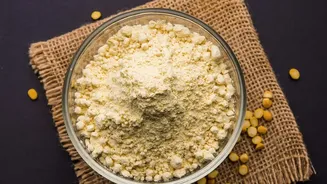
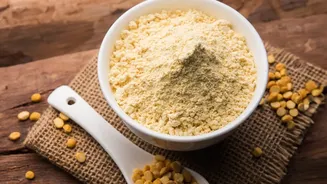
For generations, sattu has been a staple in Indian households, particularly in states like Bihar, Jharkhand, and Uttar Pradesh. Often called the 'poor man's protein,' this humble flour is made by roasting Bengal gram (kala chana) and then grinding it
into a fine powder. This roasting process is what distinguishes sattu from besan (gram flour), which is made from raw, unroasted chickpeas. The roasting gives sattu a unique nutty flavour and, more importantly, makes it easier to digest. Traditionally consumed as a cooling 'sharbat' to beat the summer heat or in littis and parathas, sattu is now being rediscovered by a new generation of health-conscious Indians for its incredible nutritional profile.
The Ultimate Post-Workout Partner
After a strenuous workout, your body needs two key things: protein to repair muscle tissue and carbohydrates to replenish energy stores. Sattu delivers brilliantly on both fronts. It is an excellent source of plant-based protein, with some varieties containing 20-25 grams of protein per 100 grams. This protein, rich in essential amino acids, aids in muscle synthesis and recovery, helping to reduce soreness after exercise. Furthermore, sattu is packed with complex carbohydrates, which provide a slow and sustained release of energy, preventing the dreaded post-workout crash. It's also rich in dietary fibre, which promotes digestive health and keeps you feeling full and satisfied. Plus, it contains vital minerals like iron and magnesium, which are crucial for energy metabolism and combating fatigue.
Why a Smoothie Bowl Trumps a Drink
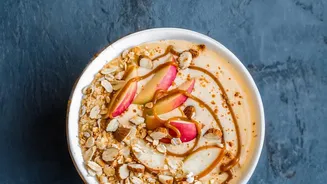
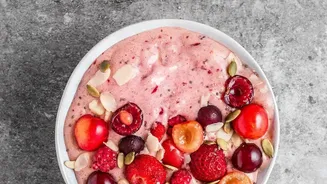
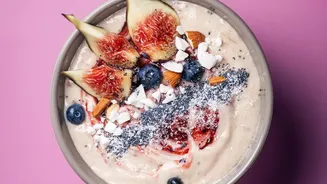
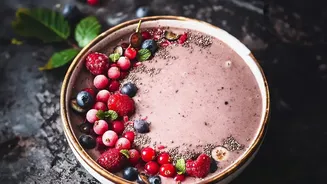
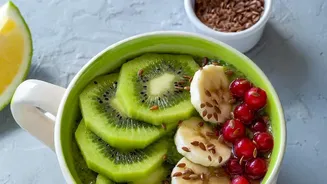
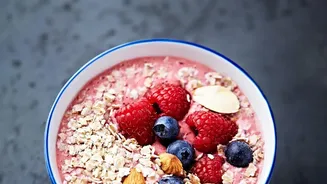
While a sattu sharbat is refreshing, transforming it into a thick and creamy smoothie bowl elevates it from a simple drink to a complete, satisfying meal. A smoothie bowl is inherently more satiating. The act of eating with a spoon, rather than sipping through a straw, sends signals of fullness to the brain, preventing overconsumption. More importantly, the bowl format serves as a perfect canvas for nutrient-dense toppings. Sprinkling on nuts, seeds, and fresh fruit not only adds delightful texture and flavour but also boosts the overall nutritional value. You can add healthy fats from almonds, omega-3s from flax seeds, and extra vitamins from seasonal fruits, creating a well-rounded meal that supports your fitness goals far more effectively than a simple liquid shake.
Crafting Your Perfect Sattu Bowl
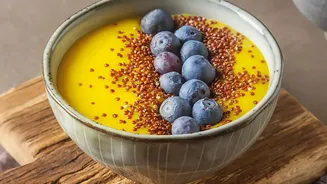
Making a delicious sattu smoothie bowl is incredibly simple. The key is to get the base right and then let your creativity shine with toppings. Here’s a fundamental formula to get you started: The Base: In a blender, combine 3-4 tablespoons of sattu flour, half a cup of curd (dahi) or a cup of milk (dairy or plant-based like almond milk), and a ripe banana for natural sweetness and a thick, creamy texture. You can also add a couple of soft, pitted dates for extra sweetness instead of processed sugar. Blend these ingredients until the mixture is completely smooth and has a thick, spoonable consistency. If it's too thick, add a splash more liquid; if too thin, add a little more sattu or a few more banana slices.
Customize Your Creation: Toppings and Twists
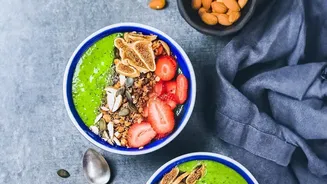
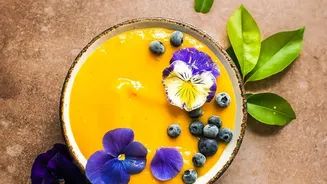
This is where the fun begins. Pour your thick sattu smoothie into a bowl and get creative with toppings. For an extra protein and crunch, add a sprinkle of chopped almonds, walnuts, or pumpkin seeds. For a boost of fibre and omega-3s, top with chia seeds or flax seeds. Fresh fruits like pomegranate arils, sliced mango, or berries add natural sweetness and vitamins. For a flavour twist, you can customize the base itself. Add a tablespoon of unsweetened cocoa powder for a chocolatey version or a pinch of cardamom (elaichi) powder for a traditional, aromatic flavour. By mixing and matching these elements, you can create a different, delicious post-workout meal every day.