



Why Reheating Can Be Risky
Every time cooked food cools down, it passes through the “danger zone”—temperatures between 40°F and 140°F (about 5°C to 60°C). In this zone, bacteria like Salmonella and E. coli can multiply rapidly, sometimes doubling in number in as little as 20 minutes.
While reheating food to a high temperature can kill these bacteria, it doesn't always eliminate the heat-resistant toxins some bacteria leave behind. Each cycle of cooling and reheating gives these pathogens another opportunity to grow, increasing the risk of foodborne illness. The Food Safety and Standards Authority of India (FSSAI) advises against reheating the same food repeatedly for this very reason.
The Monsoon Factor: A Breeding Ground for Germs
The monsoon season creates the perfect storm for food spoilage. The high humidity in the air prevents food from cooling down quickly, meaning it spends more time in the temperature danger zone. This damp, warm environment is a paradise for bacteria, mould, and fungi, which thrive in such conditions. This is why food that might be safe for longer in drier weather can spoil much faster during the rains. The increased moisture in the atmosphere accelerates the growth of microbes on both raw ingredients and cooked meals, making proper storage and reheating more critical than ever.
The 'Reheat Once' Rule
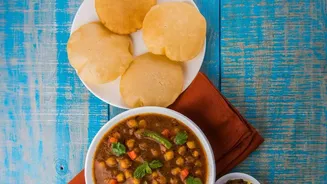
To ensure safety, most food safety authorities, including the FSSAI, recommend a simple guideline: reheat leftovers only once. Instead of reheating a large container of curry or dal multiple times, it is much safer to portion out only the amount you plan to eat and heat just that serving. This practice keeps the remaining leftovers safely chilled and minimizes the number of times the food passes through the danger zone. When you do reheat, make sure the food reaches an internal temperature of at least 165°F (74°C) to kill any harmful bacteria that may have developed. For liquids like soups and gravies, bringing them to a full, rolling boil is a good visual indicator that they are safely heated.
High-Risk Foods in the Kitchen
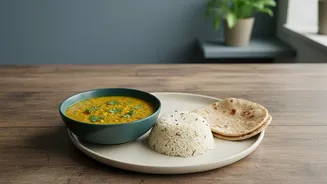
Some foods are more susceptible to bacterial growth and require extra care. Rice is a well-known risk; it can contain spores of a bacterium called Bacillus cereus. These spores can survive initial cooking and, if the rice is left at room temperature for too long, can grow and produce toxins that are not destroyed by reheating. Chicken and other meats are also high-risk because they can harbor Salmonella. Leafy greens, if contaminated, can also pose a risk, especially if wilted and reheated. The key is not necessarily the food itself, but how it was handled after being cooked. Prompt refrigeration is crucial for all leftovers, especially these high-risk items.
Smart Storage and Reheating Tips
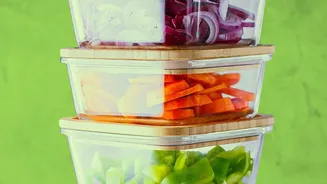
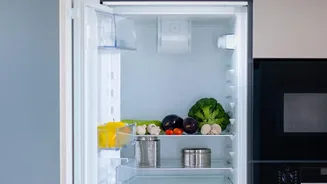
Proper handling from the start can significantly reduce risks. After a meal, refrigerate leftovers within two hours—or within one hour if the weather is particularly hot and humid. To help food cool down faster, store it in shallow, airtight containers instead of one large, deep pot. When reheating, use a stove or microwave, as slow cookers may not heat the food quickly enough to avoid the danger zone. If using a microwave, cover the food and stir it midway through to ensure it heats evenly and all cold spots are eliminated.