







1. Ginger and Garlic
This potent duo is a staple in Indian kitchens for a reason. Nutritionists highlight their powerful antibacterial and antiviral properties. Ginger is known to soothe the gut and has anti-inflammatory effects, which is crucial when digestion slows down
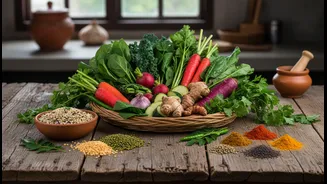
during the monsoon. Garlic contains allicin, a compound released when crushed or chopped, which actively helps your body fight off the germs responsible for common seasonal colds and flu. Incorporating them into your daily soups, teas, and curries is an easy way to build your defences.
2. Turmeric (Haldi)
This golden spice is a celebrated immunity booster. Its active compound, curcumin, has powerful anti-inflammatory and antiseptic properties that help the body fend off infections. Many health experts recommend adding it to meals or drinking a warm glass of turmeric milk (haldi doodh) before bed. It not only helps fight germs but also supports overall wellness during a season when the body is more vulnerable.
3. Seasonal Fruits like Jamun and Pomegranate
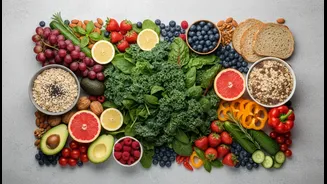
While it's wise to be cautious with raw foods, certain seasonal fruits are highly recommended. Jamun (black plum) is a quintessential monsoon fruit that is great for gut health. Pomegranates, apples, and pears are also excellent choices. They are packed with Vitamin C and antioxidants, which are vital for supporting the immune system. Nutritionists advise choosing fruits with thick peels that you can wash and peel yourself to minimise the risk of contamination.
4. Probiotics like Curd and Buttermilk
Gut health is directly linked to immunity, and the monsoon can be tough on your digestive system. Probiotic-rich foods like fresh, homemade curd (yogurt) and buttermilk support a healthy gut microbiome. These beneficial bacteria help improve digestion, prevent bloating, and strengthen your body’s ability to fight off harmful pathogens that are more prevalent in the humid weather.
5. Cooked Gourds (Lauki, Turai)
While raw salads are best avoided, cooked vegetables are a must. Gourds like lauki (bottle gourd), turai (ridge gourd), and karela (bitter gourd) are light, easy to digest, and packed with essential nutrients and fibre. These vegetables are hydrating and don't tax the digestive system, which is often sluggish during this season. Nutritionists recommend steaming or cooking them in light curries.
6. Light Pulses like Moong Dal
Heavy proteins can be difficult for your body to process during the monsoon. Moong dal is an exception. It is light, easy to digest, and a great source of protein. A warm bowl of khichdi made with rice and moong dal is often cited as a perfect monsoon meal—it’s nourishing, comforting, and gentle on the stomach. Pulses provide sustained energy without making you feel heavy or bloated.
7. Nuts and Seeds
A small handful of nuts and seeds can provide a powerful nutritional punch. Almonds are a source of Vitamin E, while walnuts and flaxseeds offer omega-3 fatty acids, which help manage inflammation. Pumpkin seeds are a good source of zinc, a mineral crucial for immune function. They make for a healthy, filling snack, helping you avoid the temptation of fried, unhealthy options.
8. Herbal Teas and Kadha
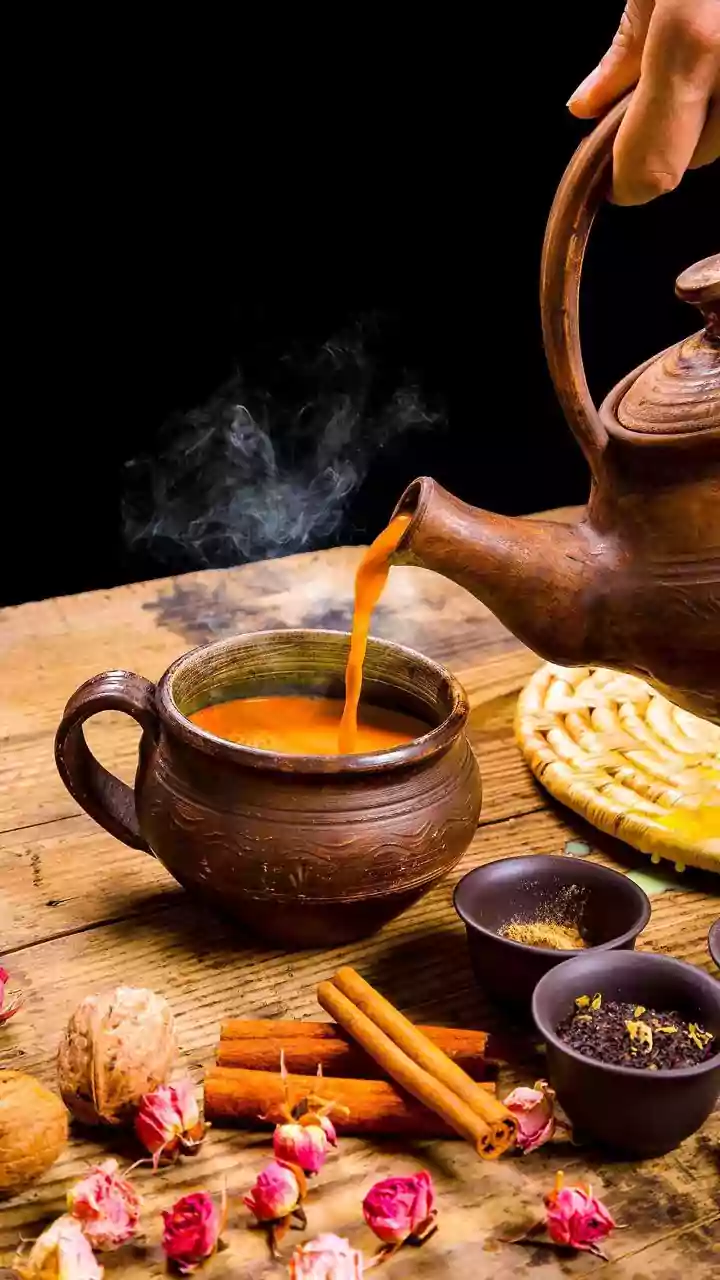
Staying hydrated is key, and warm beverages are particularly beneficial. Herbal infusions made with tulsi (holy basil), ginger, black pepper, and cinnamon help detoxify the body, aid digestion, and fight infections. A warm 'kadha' can soothe a sore throat and clear congestion, which are common complaints during the rainy season. These drinks keep you warm and support respiratory health.
9. Corn (Bhutta)
A monsoon classic, roasted corn on the cob is more than just a delicious snack. It is a good source of fibre, which aids digestion, and contains antioxidants that help protect your cells from damage. It also provides B vitamins and minerals that contribute to overall energy and wellness. Just be sure to get it from a hygienic source and enjoy it freshly roasted.
10. Citrus Fruits
Oranges, sweet lime (mosambi), and lemons are loaded with Vitamin C, a powerful antioxidant known to stimulate the production of white blood cells—your body’s primary defence against infection. While available year-round, their role becomes even more critical during the monsoon. Opt for whole fruits over juices to get the added benefit of dietary fibre, which is important for gut health.