



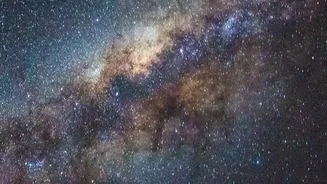

Hanle, Ladakh: India’s First Dark Sky Reserve
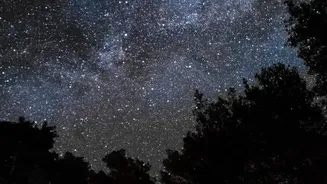
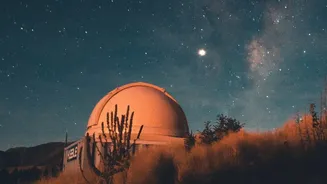
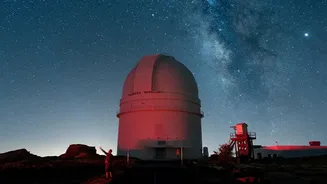
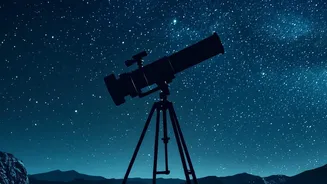
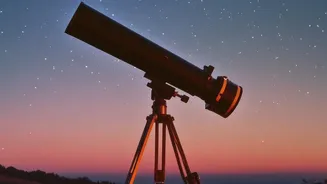
For the ultimate stargazing experience, Hanle in Ladakh is unparalleled. Officially designated as India's first Dark Sky Reserve, this remote region in the Changthang Wildlife Sanctuary sits at an altitude of 4,500 metres. The thin, dry air and near-zero
light pollution provide exceptionally clear views of the cosmos, making it home to the Indian Astronomical Observatory. On a moonless night, the Milky Way is so bright it can feel overwhelming, and constellations pop with brilliant clarity. The journey to Hanle is an adventure itself, requiring permits and acclimatisation, but the reward is a view of the universe that few places on Earth can offer. Local homestays, with villagers trained as astronomy guides, make the experience both accessible and authentic.
Spiti Valley, Himachal Pradesh: A High-Altitude Desert
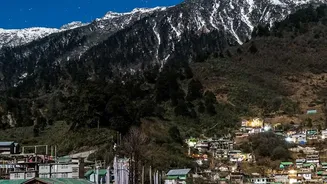
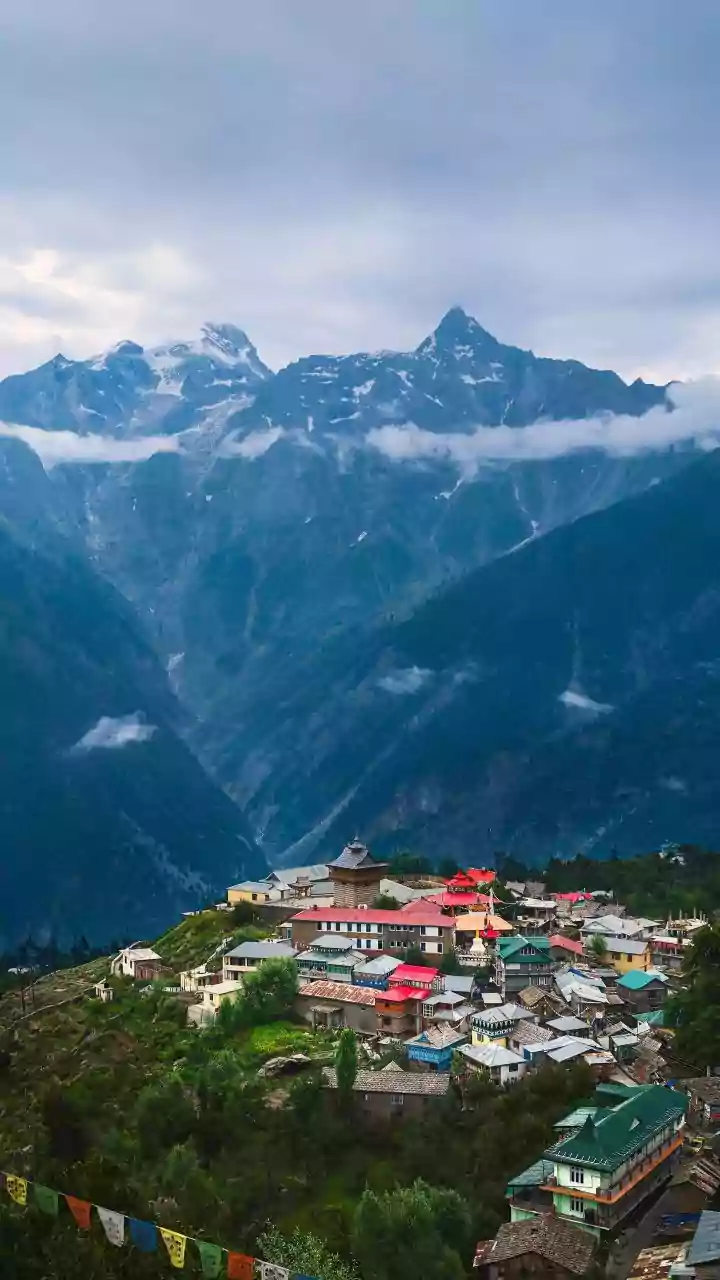
Often called 'Little Tibet', Spiti Valley is a cold desert mountain region that boasts some of the darkest skies in Asia. Its high altitude, minimal rainfall, and sparse population create perfect conditions for astronomy. Villages like Kaza, Kibber, and Langza serve as excellent bases for stargazers. The best time to visit for clear skies is from May to October, when the roads are open and the Milky Way is at its most magnificent. The sight of our galaxy arching over ancient monasteries and the rugged Himalayan landscape is a truly humbling experience.
Rann of Kutch, Gujarat: Stars Over the Salt Desert
The Great Rann of Kutch offers a stargazing experience like no other. The vast, flat expanse of the white salt desert creates a surreal, unobstructed 360-degree view of the night sky. Far from city lights, the darkness here is profound. During the winter months, from November to February, the air is cool and clear, coinciding with the popular Rann Utsav festival. While the main festival area has some light, venturing just a few kilometres away reveals a pristine dark sky where meteor showers and constellations are on full display. Lying on the cool salt flats under a canopy of stars is a magical and unforgettable adventure.
Coorg, Karnataka: A Southern Gem
You don't have to travel to the Himalayas for a great view of the stars. Coorg, nestled in the Western Ghats, is one of South India’s most accessible dark sky destinations. At an elevation of around 900-1,500 metres, its coffee and spice plantations offer peaceful spots away from city lights. The air is particularly clear from November to May, providing excellent views of winter constellations like Orion and, in the later months, the Milky Way. Several homestays and eco-camps cater to stargazers, making it an ideal weekend getaway for those in southern cities looking to reconnect with the night sky.
How to Plan Your Stargazing Trip
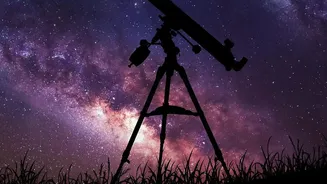
To make the most of your trip, a little planning goes a long way. First, check the lunar calendar and plan your visit around the new moon, as a full moon can wash out fainter stars. The best seasons are generally winter (October-March) for most of India, when skies are dry and clear. For high-altitude locations like Spiti, summer (May-September) is when roads are accessible and the Milky Way core is most visible. You don’t need expensive gear to start; a pair of 10x50 binoculars is a great, portable tool for exploring the moon and star clusters. Download a stargazing app like Stellarium or Sky Map to help you identify constellations and planets. Finally, remember to allow your eyes about 20-30 minutes to adapt to the darkness, and use a red flashlight to preserve your night vision.