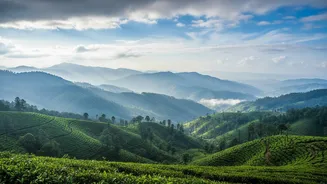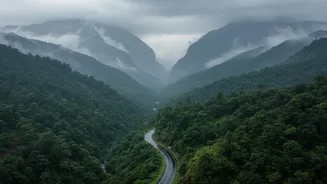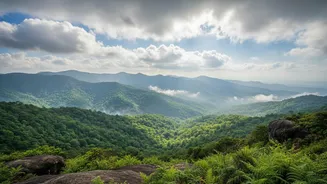






Your Rainwear: The First Line of Defence
Don't just pack for rain; pack for the relentless Indian monsoon. While a high-quality waterproof jacket is good, many seasoned trekkers in the Ghats prefer a poncho. A good poncho provides superior ventilation, which is crucial in the humid conditions,
and it's large enough to cover both you and your backpack. Regardless of your choice, avoid cotton completely. Opt for synthetic, quick-dry t-shirts and trekking pants. Cotton absorbs moisture, gets heavy, and takes forever to dry, leaving you cold and uncomfortable. The goal is to manage moisture, not just block it.
Waterproof Your World: The Three-Layer System
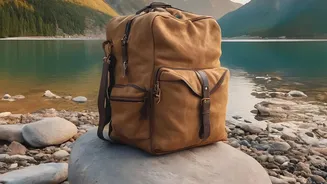
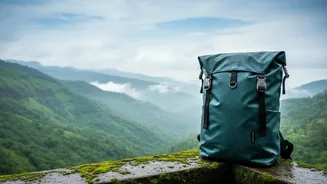
Most backpacks are water-resistant, not fully waterproof, and will not withstand hours of a steady downpour. A simple rain cover isn't enough. Adopt a three-layer system for critical items. First, use the backpack's rain cover. Second, line the inside of your backpack with a large, heavy-duty plastic bag or a pack liner. Third, use smaller waterproof dry bags or ziplock pouches for your most sensitive gear: electronics, wallet, documents, and a spare set of dry clothes. This system ensures that even if you slip while crossing a stream or your outer layers get soaked, your essentials remain completely dry.
Footwear and Feet: Your Most Crucial Gear
Monsoon trails are notoriously slippery, with wet rocks, thick mud, and mossy patches. Your choice of footwear is a critical safety decision. Look for trekking shoes with a soft rubber sole and deep lugs, which provide a better grip on slick surfaces. While waterproof boots sound ideal, they can trap water that runs down your legs, creating a mini-swamp for your feet. Many experienced hikers prefer non-waterproof, quick-drying shoes with good drainage, paired with multiple pairs of synthetic or wool socks. This way, your feet will get wet, but they can also dry faster. Also essential are trekking poles, which provide two extra points of contact for stability on treacherous descents.
Dealing with Leeches: A Monsoon Reality
Leeches are a common and unavoidable part of trekking in the Western Ghats during the monsoon. While generally harmless, they can be unsettling. The best prevention is a physical barrier. Wear full-length trousers and tuck them securely into your socks. Specialised anti-leech socks, which are knee-length and made of a thick weave, are also highly effective. You can apply a repellent like Dettol, or even a mixture of tobacco and oil, to your shoes and socks, though these are temporary fixes. If you find a leech on you, don't panic or pull it off forcefully. Instead, gently break its suction with a fingernail or the edge of a card and flick it away. The bite will bleed for a while due to an anticoagulant the leech injects, but cleaning it with an antiseptic is usually all that's needed.
Safety and Mindset on the Trail
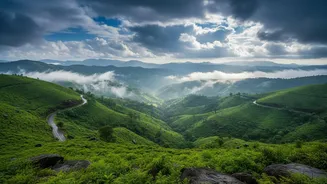
Beyond gear, a monsoon trek requires a specific mindset. Walk slowly and deliberately, testing your footing on slippery sections. Be aware that streams can swell quickly after heavy rain, so avoid risky water crossings. Start your treks early in the day, as visibility often drops in the afternoon. Always carry a basic first-aid kit, a waterproof headlamp, and extra high-energy snacks. Finally, embrace the experience. The monsoon transforms the landscape, reduces the crowds, and offers a unique, spiritual connection to nature. Proper preparation isn't about fighting the rain; it's about giving you the freedom to enjoy it fully.