



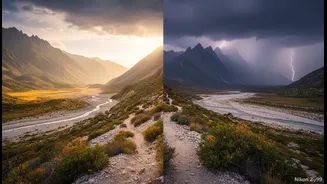


The Monsoon Mountain Dilemma
For mountain lovers in India, the rainy season from July to September is a time of both lush beauty and logistical nightmares. While the hills turn a vibrant green, the same rains that bring life also bring landslides, washed-out roads, and endless closures.
Popular destinations in Himachal Pradesh and Uttarakhand can become inaccessible overnight, leaving tourists stranded and holidays ruined. This uncertainty forces many to shelve their mountain dreams, waiting for clearer, safer seasons. The risk is real: roads leading to popular spots are often the first to be impacted by heavy downpours, turning a planned adventure into a series of frustrating phone calls and cancelled bookings.
Spiti: The High-Altitude Exception
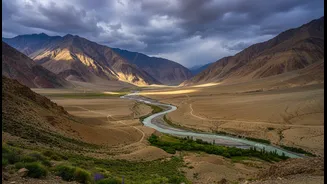
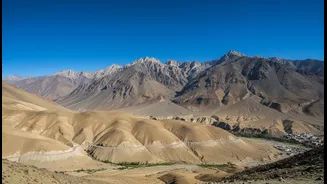
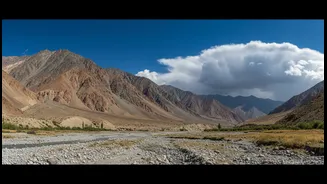
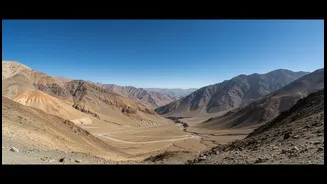
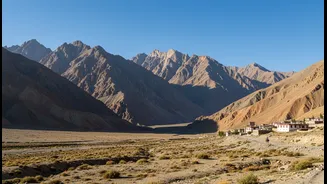
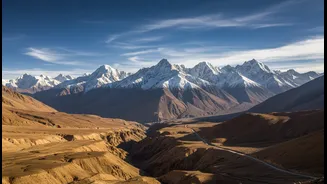
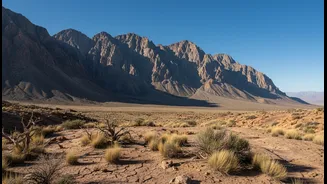
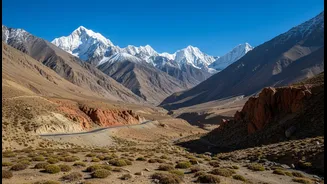
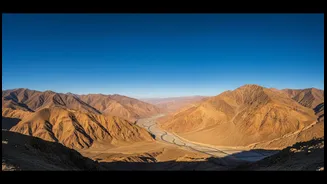
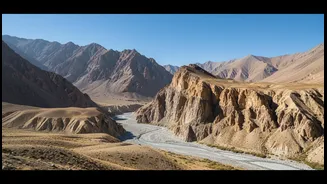
There is, however, a place that sidesteps this entire problem. Spiti Valley, a cold desert high in the Himalayas, offers a starkly different monsoon experience. While the rest of the country's mountains are drenched, Spiti remains overwhelmingly dry, sunny, and open for business. This is not a matter of luck, but of geography. The valley’s unique location makes it a haven for travellers who want a guaranteed mountain fix during the rainy season. For those in the know, it’s the smartest choice for an uninterrupted adventure when other options are a gamble.
Understanding the Rain Shadow Effect
The secret to Spiti's dry weather is a phenomenon called the 'rain shadow effect'. Spiti is located on the leeward side of the main Himalayan range. As the moisture-laden monsoon clouds travel from the plains, they are blocked by the towering Pir Panjal and Great Himalayan ranges. Forced to rise, the clouds cool, condense, and dump all their rain on the windward side—the areas like Kullu, Manali, and Shimla. By the time the air crosses over the mountains into Spiti, it has lost nearly all its moisture. This dry, descending air creates the arid, desert-like conditions the valley is famous for, resulting in clear skies and minimal rainfall even in the peak of monsoon.
Choosing Your Route Wisely
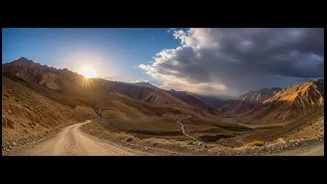
Getting to Spiti during the monsoon is the real challenge, and your choice of route is critical. There are two main entry points: one from Manali via the Kunzum Pass, and the other from Shimla via Kinnaur. The Shimla-Kaza highway is widely considered the safer, more reliable option during monsoon. It’s a longer journey but involves a more gradual ascent and avoids the heavy rainfall zones that affect the Manali approach. The Manali-Kaza road, while shorter, is more challenging. The stretch from Manali often faces disruptions due to rain in the lower hills, and the road from Gramphu to Kaza is notoriously rough, with water crossings that can swell during the day. By mid-July, both routes are typically open, but the Shimla side offers greater peace of mind.
What to Expect in Monsoon Spiti
A monsoon trip to Spiti isn’t about escaping to a rainy paradise; it’s about finding a sunny one. Expect pleasant daytime temperatures between 15°C and 25°C, perfect for sightseeing. While the valley is a desert, the light drizzles it occasionally receives, combined with snowmelt, bring out patches of surprising green in the valleys and meadows, creating a beautiful contrast against the barren brown mountains. This is also a great time to visit as there are fewer tourists than in the peak summer months. The season coincides with local festivals like the La Darcha Fair in Kaza, offering a unique cultural experience. You can explore ancient monasteries like Key and Dhankar in relative peace, trek to high-altitude lakes like Chandratal, and send a postcard from the world's highest post office in Hikkim.
Essential Planning and Safety Tips
While Spiti itself is safe, the journey requires careful planning. Always check the latest road status from official sources like the Border Roads Organisation (BRO) before you start. Build buffer days into your itinerary, as even the reliable Shimla route can have temporary closures. Acclimatisation is crucial; the Shimla route helps you gain altitude gradually, reducing the risk of Acute Mountain Sickness (AMS). Pack in layers—warm clothes are essential for the cold nights. While the valley is dry, the approach roads may not be, so waterproof gear is a good idea. Finally, if you're not an experienced mountain driver, consider hiring a local taxi with a driver who knows the terrain inside out.