

The Allure of the Ridge Walk
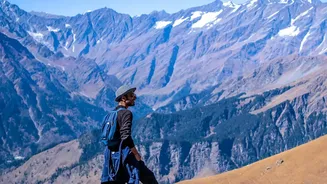
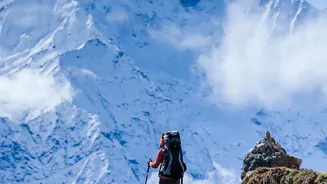
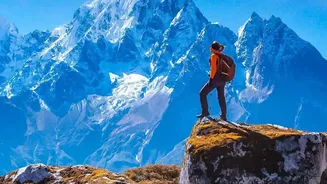
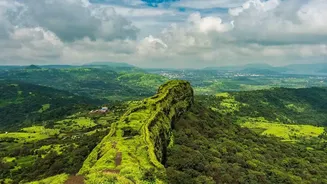
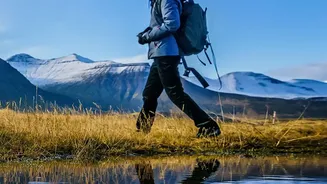
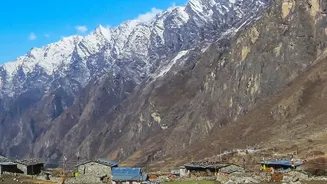
Before we dive into the destinations, let's appreciate why a ridge walk is so coveted. Unlike a valley trail, a ridge offers unobstructed, often 360-degree views. It’s a natural balcony carved by geography, giving you a feeling of walking along the spine
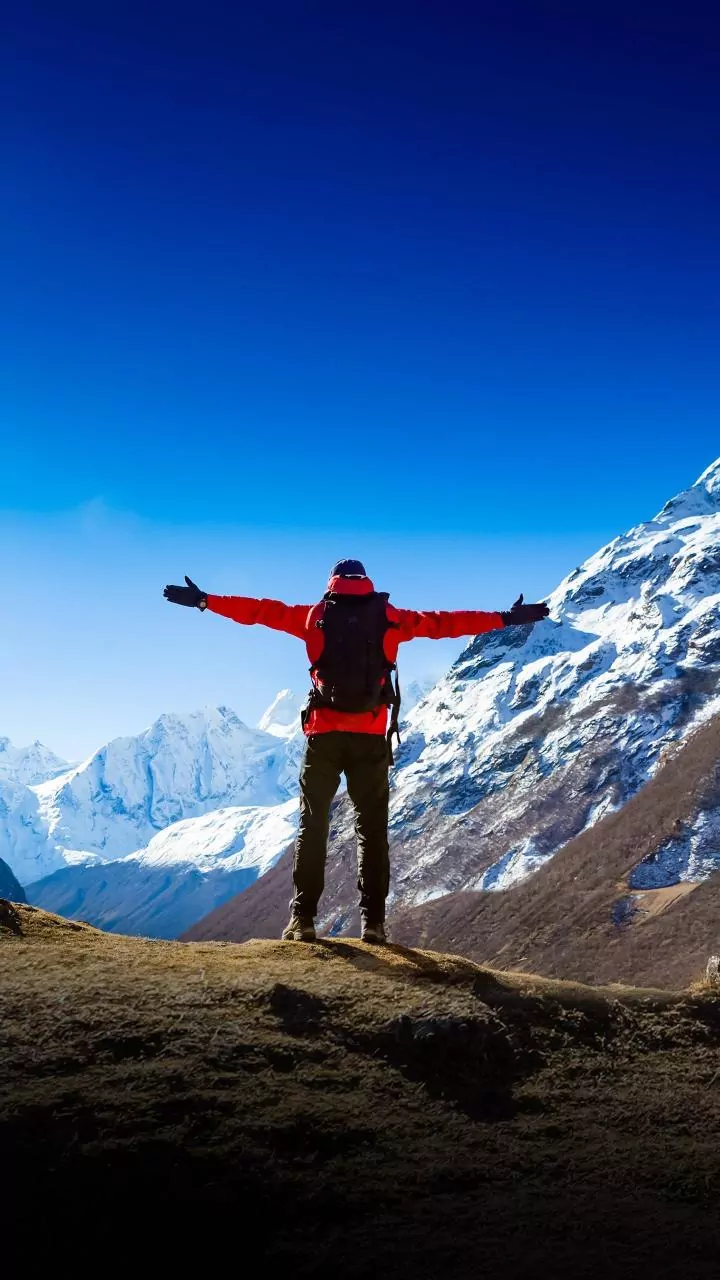
of the mountains. This unique perspective, seeing the world stretch out below, transforms a great trek into a legendary one. For a first-timer, successfully reaching a summit or a ridge is an empowering moment that perfectly captures the spirit of the Himalayas. The good news is, you don't need technical skills for the treks on this list, just a good pair of lungs and a sense of adventure.
Nag Tibba: The Perfect Weekend Introduction
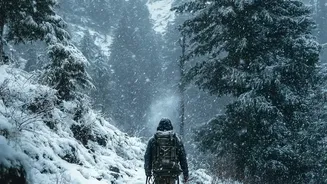
Often called the best weekend trek from Delhi, Nag Tibba in Uttarakhand is the ideal entry point into Himalayan trekking. Reaching an altitude of around 9,915 feet, it's manageable for most fitness levels and can be completed in just two to three days. The trail winds through dense oak and rhododendron forests, opening up to a clearing that serves as the base camp. The final push takes you to Nag Tibba 'Jhandi' or summit, from where you are rewarded with a stunning ridge walk. On a clear day, you can see a panorama of snow-capped peaks, including Bandarpunch, Swargarohini, and Gangotri ranges. Its accessibility and rewarding views make it a popular choice. The best seasons are from September to mid-June, with winter months from December to February offering a magical snow experience.
Dayara Bugyal: Walking Across Vast Meadows
If your dream is to walk across vast, rolling green meadows that touch the sky, Dayara Bugyal is your trek. Located in Uttarakhand, this trek is famous for its massive alpine pastures ('Bugyal') that are a vibrant green in summer and covered in a blanket of snow in winter. Considered an easy-to-moderate trek, it typically takes four to five days, reaching an altitude of about 12,000 feet at Bakaria Top. The ridge here provides a jaw-dropping view of the Gangotri and Bandarpunch mountain ranges. The ascent is gradual, making it suitable for families and beginners with a basic level of fitness. The post-monsoon months of September to November offer crisp, clear views, while the winter months turn it into a premier snow trek.
Kedarkantha: The Classic Summit Climb
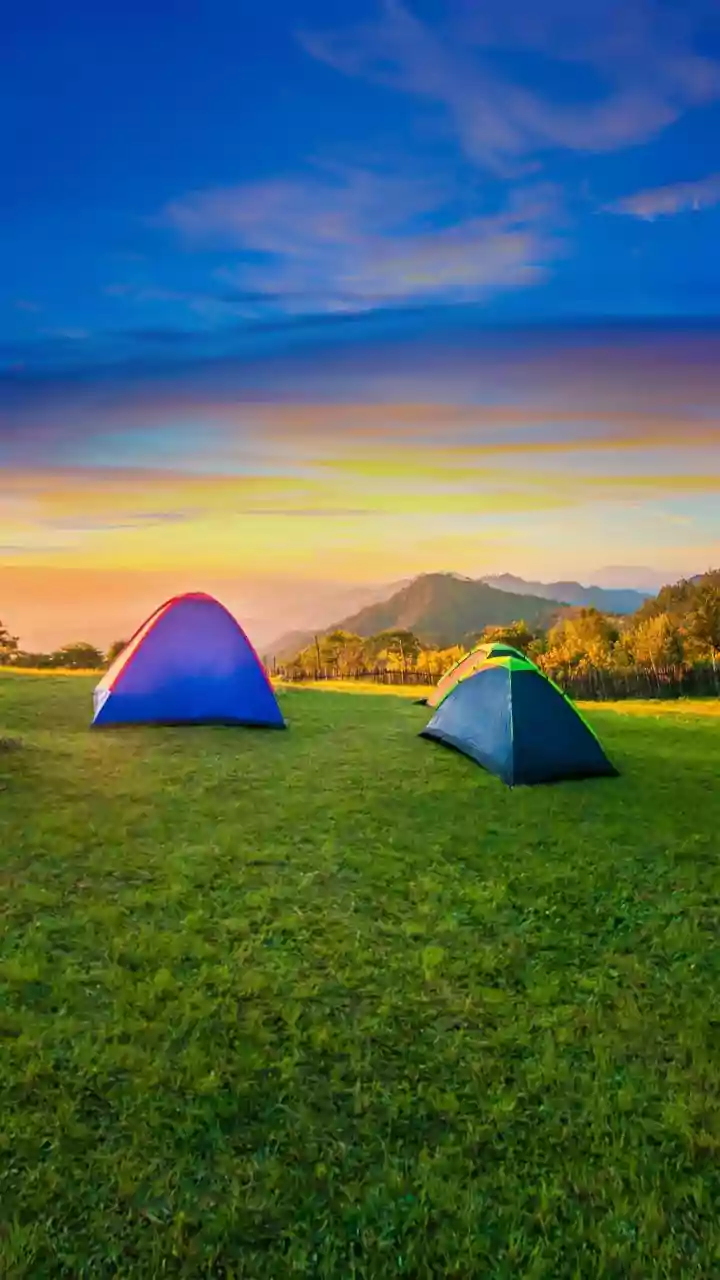
For those seeking a slightly more challenging but immensely rewarding goal, Kedarkantha is a classic choice. It is one of India's most popular winter treks and is widely considered beginner-friendly, though it requires a good level of stamina. The trail, located in Govind Pashu Vihar National Park, takes you to a majestic summit at 12,500 feet. The final ascent is what makes this trek famous—a thrilling climb to the summit ridge that offers an incredible 360-degree view of the Himalayas, including the Swargarohini, Black Peak, and Bandarpunch ranges. The trek takes about five to six days, with well-paced daily walks and beautiful campsites. While it's best known as a winter snow trek from December to April, the autumn season also provides stunningly clear weather for this unforgettable adventure.
Preparing for Your First Himalayan Trek
While these treks are for beginners, preparation is key to a safe and enjoyable experience. Start with cardiovascular exercises like jogging or brisk walking a few weeks before your trip to build stamina. Pack in layers, as mountain weather can change quickly. A sturdy pair of trekking shoes with good grip is non-negotiable. Essentials include a warm jacket, a rain-proof layer, a hat, sunglasses, and sunscreen. While it's possible to do some of these treks independently, hiring a certified local guide or going with a reputable trekking company is highly recommended for first-timers. They manage logistics, ensure safety, and enrich the experience with local knowledge.