





The Triple Threat: Why Rain and Night are a Dangerous Mix
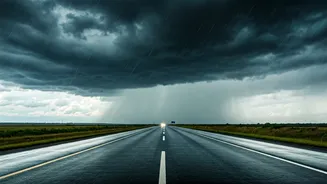
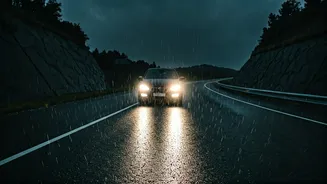
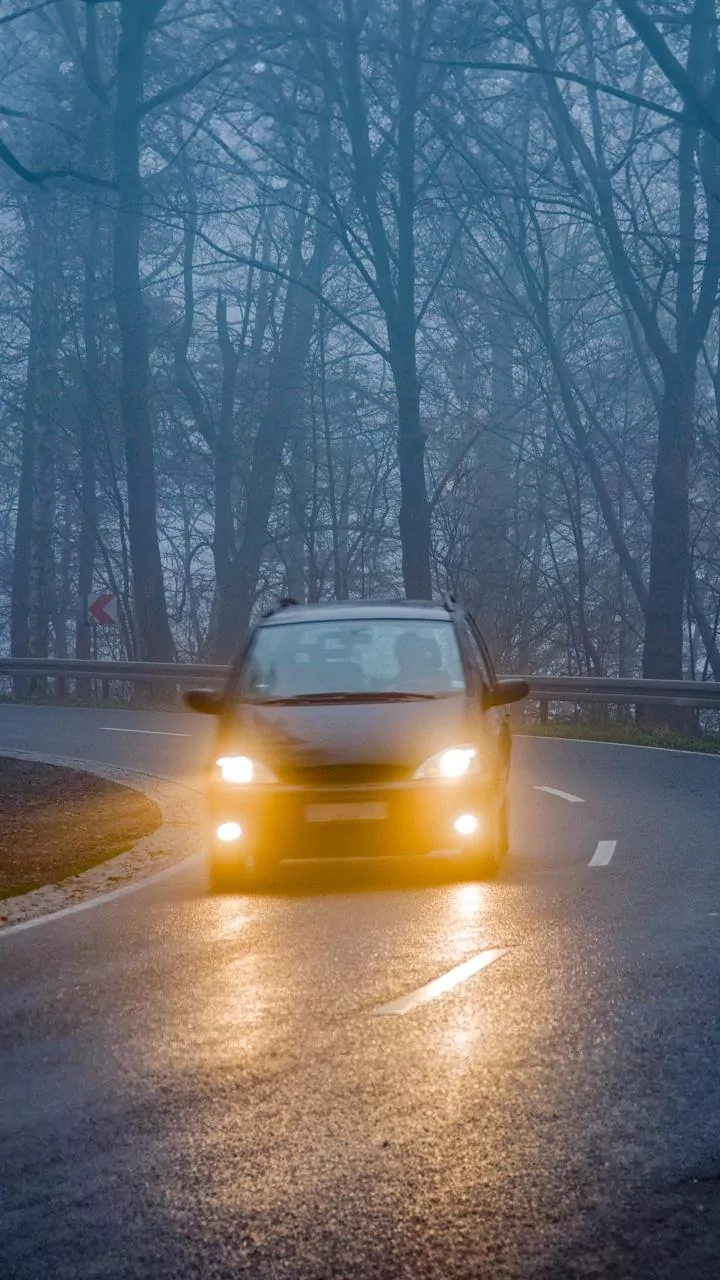
Driving in heavy rain is challenging, but doing so at night multiplies the risks. The primary dangers are severely reduced visibility, slippery roads leading to loss of control, and hidden hazards. Heavy downpours scatter the light from your headlamps,
while the reflection off wet tarmac can create glare, making it difficult to judge distances and spot dangers. Furthermore, Indian roads during the monsoon are unpredictable; the darkness can easily conceal waterlogged patches, deep potholes, and unexpected debris, turning a familiar route into an obstacle course. Braking distance also increases significantly on wet surfaces, sometimes by as much as 40%, demanding greater caution and slower speeds.
Your Pre-Drive Vehicle Checklist
A safe monsoon drive begins before you even turn the key. A well-prepared vehicle can be the difference between a safe arrival and a roadside emergency. First, inspect your tyres. They are your only connection to the slippery road, so ensure they have adequate tread depth (a practical minimum of 3mm is recommended for monsoons) and are correctly inflated. Second, test your visibility aids. Your wiper blades should be in excellent condition, clearing water without streaking or squealing. Top up your washer fluid and ensure all lights—headlights, taillights, brake lights, and indicators—are clean and functioning perfectly. It’s also wise to check your brakes for responsiveness and have your battery tested, as high humidity can expose a weak battery.
On-the-Road Strategy: Slow Down and Stay Alert
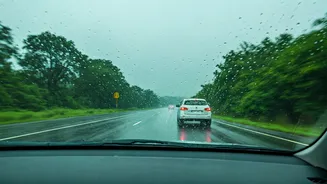
Once you're on the road, your driving style must adapt to the conditions. The single most important adjustment is to reduce your speed significantly. Speed limits are set for ideal, dry conditions; in heavy night-time rain, going slower gives you more time to react. Increase the distance between your vehicle and the one ahead to at least three or four seconds. Avoid sudden manoeuvres. Brake gently and progressively to prevent skidding. When visibility is extremely poor from the downpour, use your low-beam headlights. High beams can reflect off the raindrops and worsen your visibility. Also, be extra vigilant for pedestrians and two-wheelers, who are harder to spot in the rain and may act unpredictably.
The Danger of Hydroplaning
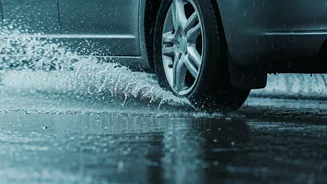
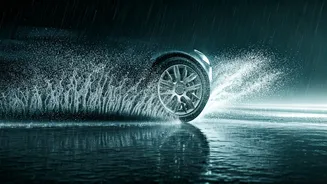
Hydroplaning, or aquaplaning, is one of the most frightening experiences on a wet road. It occurs when a layer of water builds up between your tyres and the road surface, causing a total loss of traction and control. It can happen at speeds as low as 50 km/h. To avoid it, slow down, especially when you see standing water, and avoid driving in the outer lanes where water tends to collect. If you feel your car start to hydroplane, the most important thing is not to panic. Do not slam on the brakes or make sharp turns. Instead, ease your foot off the accelerator, hold the steering wheel firmly, and steer gently in the direction you want to go until you feel the tyres regain their grip.
Navigating Waterlogged Roads and Potholes
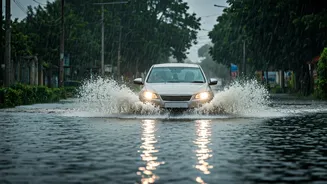
Waterlogged streets are a common monsoon menace, hiding potentially disastrous potholes and debris. It's best to avoid driving through standing water if you can't judge its depth. If you must proceed, do so slowly and steadily in a low gear, keeping the engine revs up to prevent water from entering the exhaust. Do not stop in the middle of a waterlogged patch if you can help it, as this increases the risk of your vehicle stalling and water entering the engine. If your car does stall in water, do not attempt to restart it, as this can cause catastrophic engine damage. It's safer to get professional help. Be equally wary of puddles, as they can conceal deep potholes that can damage your tyres, suspension, and alignment.