





The 30-Second Time Machine
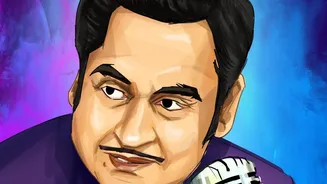
The single biggest driver of this retro revival is the short-form video format. Platforms like Instagram Reels thrive on audio clips that are instantly catchy and emotionally resonant. The hook-heavy nature of old Bollywood songs, from Kishore Kumar's
soulful melodies to R.D. Burman's peppy numbers, are perfectly suited for this digital stage. A 30-second clip is just enough to capture the most memorable part of a song, creating a viral loop that introduces classics like "Mere Sapnon Ki Rani" or "Chaiyya Chaiyya" to an audience born decades after they were released. This bite-sized discovery makes the vast catalogue of Indian film music less intimidating and more accessible than ever before.
The New Wave of Nostalgia
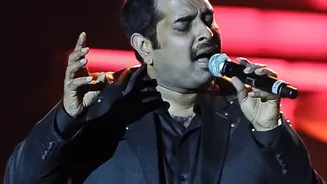
It isn't just about passive listening; a new generation of creators is actively reinterpreting these classics. DJs and music producers are breathing new life into old melodies with modern electronic beats, creating a sound that feels both fresh and familiar. This isn't the sometimes-criticized remix culture of the early 2000s; today's best covers and remixes aim to pay homage, blending genres like lo-fi, EDM, or hip-hop while respecting the original's soul. This creates a musical bridge, allowing young listeners to appreciate the genius of composers like Shankar-Ehsaan-Loy or lyricists like Gulzar through a contemporary lens. Simultaneously, indie artists and YouTube singers gain visibility by performing acoustic covers, showcasing the timelessness of the original compositions.
A Search for Melody and Meaning
Many young listeners argue that old songs offer something that is often missing in today's music landscape: lyrical depth and melodic complexity. In an era sometimes dominated by autotune and formulaic beats, the poetic and emotional storytelling found in older tracks feels authentic and profound. Songs from the 50s through the 2000s were often integral to a film's narrative, built to convey complex emotions from heartbreak to philosophical reflection. For Gen Z, discovering a ghazal or a classic love ballad can feel like unearthing a hidden treasure, a piece of music that prioritizes feeling and artistry over algorithmic optimization. This preference is even backed by data, with streaming services like Spotify noting significant growth in the consumption of 50s and 60s music among the 18-24 age group.
The Business of Looking Back
This trend isn't lost on the music industry. For producers and labels, recreating a classic hit is a low-risk, high-reward strategy. A remixed classic comes with a pre-tested melody and built-in nostalgia, reducing marketing costs and almost guaranteeing clicks and streams. While this practice has its critics, who worry about originality being stifled, it effectively monetizes vast back catalogues of music. Every time an old song trends on Reels, it not only boosts the new remix but often drives listeners to seek out the original version, creating a feedback loop where the past and present continuously enrich each other. The algorithm, which favors familiarity, helps amplify this cycle, pushing memorable old tunes back into the mainstream.
An Intergenerational Connection
Beyond the technology and trends, the resurgence of retro Bollywood has a powerful emotional component. For many young people, these are the songs they grew up hearing their parents play. Listening to Kishore Kumar or Lata Mangeshkar is not just a discovery of new music, but a connection to their own family history. It fosters a shared cultural language between generations. When a 19-year-old creator goes viral with a father-daughter duet of a classic, it's a testament to the music's ability to transcend time. It turns a personal playlist into a shared experience, proving that great melodies don't have an expiration date; they just wait for the right platform to be discovered all over again.