





Mastering the Basics: Your First-Aid Kit
A standard first-aid kit is essential for any trip, but the monsoon requires a few specific additions. Due to high humidity and damp conditions, the risk of fungal infections and waterborne illnesses increases. Your kit should include basics like antiseptic
solution, bandages of various sizes, pain relievers, and a thermometer. More importantly, add antifungal powder or cream, antiseptic wipes, and packets of oral rehydration salts (ORS) to combat dehydration. Also pack medication for common ailments like colds, flu, and stomach issues, as well as any personal prescription medicines. Finally, a good insect repellent is non-negotiable to protect against mosquitoes, which are more prevalent during this season.
Waterproofing Your World
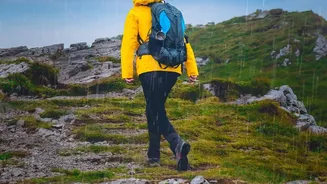
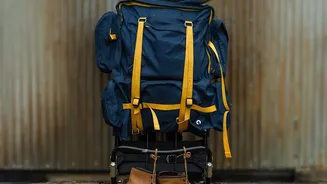
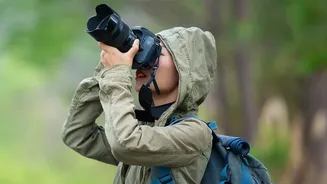
The number one rule of monsoon travel is to keep everything dry. This starts with your personal gear. A high-quality, lightweight raincoat or poncho is more practical than an umbrella, which can be useless against strong winds. For your luggage, a backpack with a built-in rain cover or a separate waterproof cover is crucial. However, the most critical task is protecting your electronics and documents. Use zip-lock bags, dedicated dry bags, or waterproof pouches for your phone, camera, power bank, passport, and tickets. Some travelers even use multiple layers of protection, placing electronics in a waterproof sleeve before putting them in a dry bag. Small silica gel packets tossed into your main bag can also help absorb excess moisture.
The Right Gear: Clothing and Footwear
The clothes you pack can make or break your monsoon trip. Cotton is your worst enemy; it absorbs moisture and takes forever to dry in high humidity. Instead, pack lightweight, synthetic fabrics like polyester and nylon that dry quickly. A few quick-dry t-shirts and trousers are a smart choice. It's also wise to pack a thin fleece or light woollen layer, as evenings, especially in hill stations, can get surprisingly cold when it's damp. For footwear, leave the leather shoes and absorbent sneakers at home. Opt for rubber sandals, floaters, or waterproof shoes with a strong grip to navigate slippery surfaces safely. Always carry an extra pair of socks to keep your feet dry and prevent fungal infections.
Power and Light When You Need It Most
Power cuts are a common occurrence during the rainy season, especially in more remote areas or hill stations. Being caught in the dark without a way to charge your phone can quickly turn an inconvenience into a serious problem. A fully charged power bank is an absolute must-have in your kit. It ensures you can keep your phone powered for navigation, communication, and emergencies. Along with a power bank, a small, reliable torch or a headlamp is invaluable. It’s useful not only during power outages but also for navigating poorly lit paths or hotel corridors after dark.
Staying Healthy and Hygienic
The risk of water contamination is significantly higher during the monsoon, making it important to be cautious about what you eat and drink. Whenever possible, drink bottled, boiled, or filtered water. Carrying a reusable bottle with a built-in filter is an excellent and sustainable option. Avoid street food, especially items that are uncooked or have been sitting out. Stick to hot, freshly prepared meals from reputable restaurants. Hand sanitizer, wet wipes, and soap are also crucial for maintaining hygiene on the go, reducing the risk of picking up infections from contaminated surfaces.