


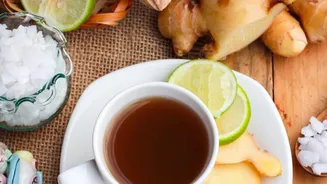
Setting the Stage for Your Tasting
Hosting a tea tasting is simpler than it sounds. You don't need elaborate equipment, just a few key items. Aim for a small group of four to eight guests to keep the atmosphere intimate. You'll need a kettle (one with temperature control is a bonus), a teapot
or infuser for each tea, and small, preferably white or clear, cups so guests can appreciate the colour of each brew. Provide notecards and pens for guests to jot down their thoughts on aroma and flavour. To ensure the focus remains on the tea, serve neutral palate cleansers like plain crackers, slices of baguette, or water. These help reset the taste buds between different varieties. The most important rule is to serve teas in order from lightest to darkest, to avoid overwhelming the palate early on.
The Delicate Start: White and Green Teas
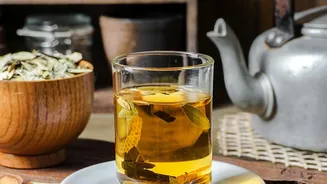
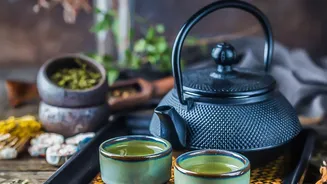
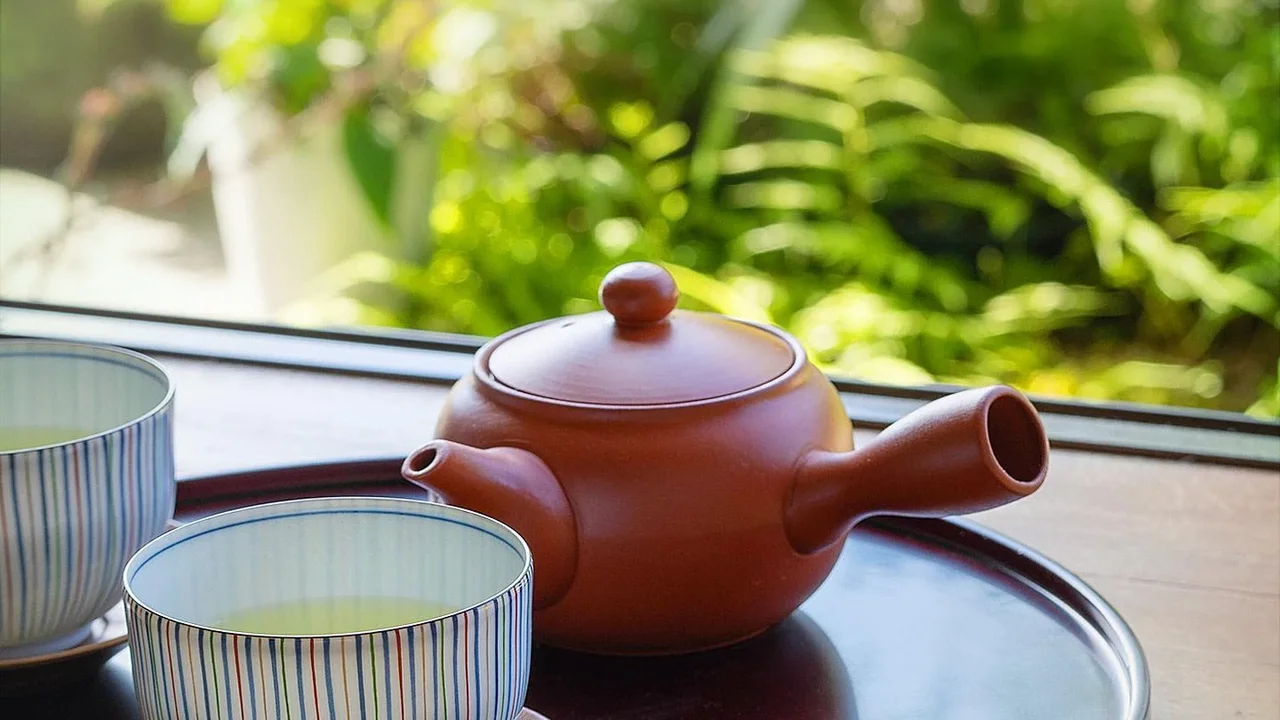
Begin your tasting journey with the most delicate teas. White tea, originating from the Fujian province of China, is made from the youngest buds and leaves of the tea plant. Its minimal processing results in a subtle, sweet, and floral flavour. To brew it correctly, use water that is well below boiling, typically between 75-85°C. Let it steep for 2 to 5 minutes; this tea is forgiving and develops more character with a longer infusion.Next, introduce green tea. Famous varieties come from both China and Japan, where leaves are heated after picking—pan-fired in China, steamed in Japan—to prevent oxidation and preserve their fresh, grassy character. This is where water temperature is crucial. Water that's too hot (boiling) will scorch the leaves and release excess bitterness. Aim for 75-80°C and a short steep time of 1 to 3 minutes for a perfectly balanced cup.
The Complex Middle: Oolong Teas
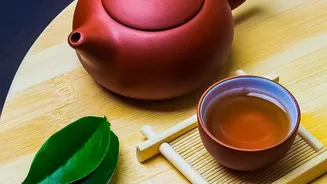
Following green tea, move on to the complex world of oolong. Falling somewhere between green and black teas, oolongs are partially oxidized, a process that can result in an incredible spectrum of flavours, from light and floral to dark and roasted. This category is incredibly diverse, with famous styles coming from Taiwan and China's Fujian province. Brewing oolong requires hotter water than green tea, generally between 85-95°C. A steeping time of 3 to 5 minutes is a good starting point. Many high-quality oolongs are designed to be infused multiple times, with each steep revealing new layers of aroma and taste.
The Bold Finale: Black and Pu-erh Teas
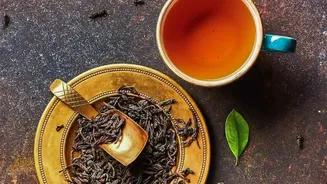
Now it's time for the robust flavours. Black tea is fully oxidized, which gives it a deep colour and a bold, malty profile. Popular varieties hail from India (Assam, Darjeeling), Sri Lanka (Ceylon), and China. Black tea is the most forgiving to brew; it can handle near-boiling water, around 95-100°C. Steep for 3 to 5 minutes—a shorter time will yield a brighter cup, while a longer steep produces a stronger body that stands up well to milk and sugar.For a truly unique finish, introduce Pu-erh tea. Hailing from China's Yunnan province, Pu-erh is a post-fermented tea, meaning it undergoes a microbial process that allows it to age like fine wine. To prepare it, first 'rinse' the leaves by pouring hot water over them and immediately discarding it; this awakens the compressed tea. Then, steep with water around 95-100°C for 1 to 2 minutes. High-quality Pu-erh can be re-steeped over and over, offering a rich, earthy flavour that evolves with each cup.
How to Taste Like a Professional
Encourage your guests to engage all their senses. Before brewing, have them examine and smell the dry leaves. Once brewed, observe the colour of the liquid, or 'liquor', in the cup. Before the first sip, take a moment to inhale the aroma. When it's time to taste, don't be shy—a quick, noisy slurp aerates the tea and spreads it across your entire palate, revealing more nuanced flavours. Discuss what everyone is sensing. Does it smell floral, fruity, or earthy? Does it taste sweet, nutty, or smoky? Comparing notes is part of the fun and helps everyone appreciate the tea's complexity.