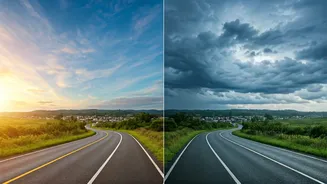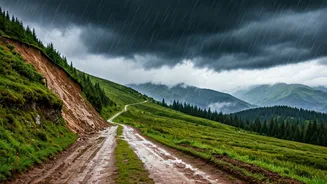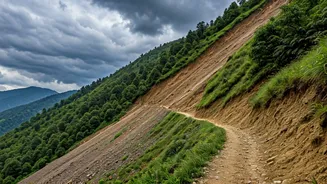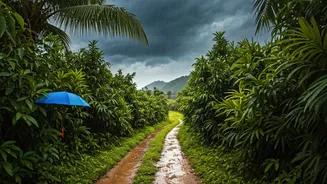








Understanding the Link Between Rain and Risk
Landslides are not random events. In India, the vast majority are triggered by one primary factor: intense or prolonged rainfall. When soil on a slope becomes oversaturated with water, it loses its strength and cohesion, making it susceptible to gravity.
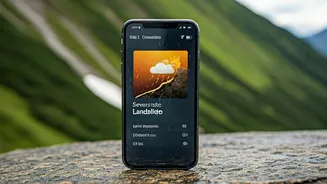
This is why the monsoon season sees a tragic spike in landslide incidents across Himalayan states like Himachal Pradesh and Uttarakhand, as well as the Western Ghats. This direct correlation is where technology becomes your first line of defence. Modern weather apps are no longer just for checking if you need an umbrella. They provide sophisticated meteorological data that can act as an early warning system for landslide-triggering conditions. By tracking rainfall intensity, duration, and upcoming storm systems, you can make informed decisions about whether to travel, where to halt, or if you need to move to a safer location. Think of your weather app not as a landslide detector, but as a 'landslide risk' indicator.
Key Features to Look For in a Weather App
Not all weather apps are created equal when it comes to mountain safety. A simple app that shows a sunny or rainy icon is insufficient. For this specific purpose, you need tools that provide granular, actionable data. When choosing an app, look for these critical features:
1. Hourly Rainfall Forecasts: Look for precipitation data measured in millimetres (mm) per hour. A forecast of 'heavy rain' is subjective, but '20-30 mm/hr for the next three hours' is a concrete piece of data that signals high risk.
2. Severe Weather Alerts: The app must support push notifications for alerts issued by official bodies like the India Meteorological Department (IMD). This ensures you get critical warnings without having to constantly check the app.
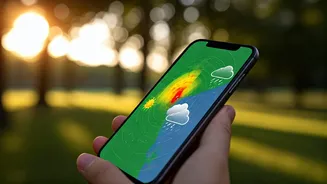
3. Radar and Satellite Maps: Live or near-live radar maps show you precisely where rain is falling and its intensity. This is invaluable for tracking the movement of a storm cell and understanding its immediate impact on your location.
4. Lightning Tracker: Intense thunderstorms often bring sudden, heavy downpours. Apps with lightning detection, like the government's own DAMINI, can signal the arrival of these dangerous systems.
Recommended Apps for Indian Conditions
While many international apps work well, it’s wise to use a combination of global and government-backed local services for the most comprehensive coverage.
* Mausam: This is the official app of the India Meteorological Department (IMD). Its primary strength is its authority. It provides weather forecasts, warnings, and radar information directly from the source responsible for official alerts in India. When Mausam issues a red or orange alert for heavy rainfall in a hilly area, it must be taken with the utmost seriousness.
* Skymet Weather: A leading private weather forecasting agency in India, Skymet offers detailed forecasts and analysis. Its app is known for its user-friendly interface and often provides hyper-local weather data and news reports on weather events, offering valuable context.
* AccuWeather: A reliable global option with strong performance in India. Its MinuteCast feature, which predicts rain on a minute-by-minute basis for the next two hours, can be extremely useful for making short-term travel decisions, like whether it’s safe to cross a particular stretch of road.
* DAMINI: Another official government app, its sole focus is tracking lightning. Since lightning is a precursor to severe thunderstorms and flash downpours that can trigger landslides, this app serves as an excellent complementary safety tool.
Beyond the App: Your On-the-Ground Safety Rules
An app is a tool, not a magic shield. Technology can empower your decisions, but it cannot replace common sense and caution. Relying solely on your phone can create a false sense of security. Always pair digital information with these essential on-the-ground rules:
* Heed Local Advice: Local residents, taxi drivers, and guest house owners have an innate understanding of their terrain. If they advise against travelling on a certain road, listen to them. Their experience often outweighs what an app can tell you.
* Observe Your Surroundings: Be aware of the physical warning signs of an unstable slope. These include new cracks appearing in plaster or foundations, leaning telephone poles or trees, and the sound of rumbling or rocks falling. If you hear or see these signs, evacuate immediately.
* Avoid Travel During Alerts: Never attempt to drive through hilly areas during an official heavy rainfall warning. Water-logged roads, overflowing streams (nalas), and fresh mud or rockfall are all red flags.
* Have a Backup Plan: When travelling in the mountains during monsoon, always have a contingency plan. Be prepared to delay your journey by a day or two and have buffer days in your itinerary. Know the location of designated safe zones or relief centres if possible.