


Understanding the Terracotta Solution
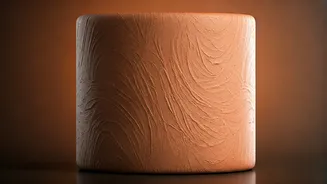
When you hear ‘terracotta panels’, you might picture heavy, traditional tiles. But for modern, renter-friendly applications, the term covers a range of innovative materials. These can include lightweight 3D wall panels with a terracotta finish, high-quality
textured wallpaper that mimics the look and feel of baked earth, or even thin, peel-and-stick tiles. The key features are their warm, earthy colour palette, their tactile surface, and—most importantly—their non-permanent nature. Unlike paint or structural changes, these panels can be applied using damage-free adhesives or mounting systems, making them an ideal choice for anyone living in a rental property. They offer the aesthetic weight of a permanent feature without the commitment, cost, or landlord negotiations.
Create Visual Zones Without Walls
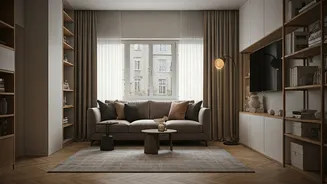
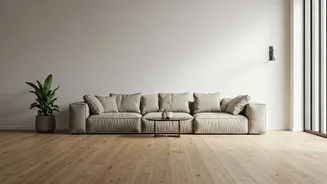
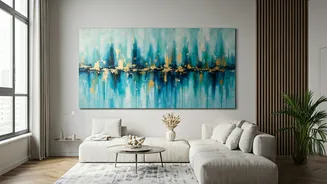
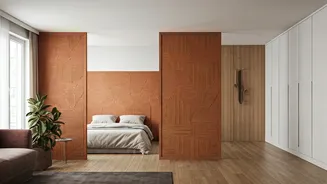
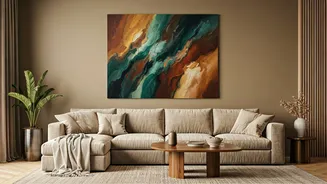
One of the biggest hurdles in a studio apartment is creating a sense of separation between your living, sleeping, and working areas. A single open room can feel chaotic and cluttered. This is where a textured feature wall comes in. By applying removable terracotta panels to the wall behind your bed, you can instantly designate a cosy ‘bedroom’ zone. The rich colour and texture create a visual anchor, distinguishing it from the rest of the space. Similarly, you could create a feature wall behind your sofa to define the living area or in a small nook to carve out a dedicated workspace. This technique, known as zoning, uses visual cues to partition the room, adding depth and order without sacrificing precious square footage to physical dividers like screens or bookshelves.
Inject Warmth and Sophistication
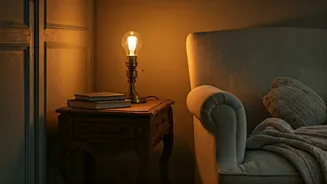
Small spaces can often feel sterile or cold, especially with the neutral colour palettes many people choose to avoid making the room feel smaller. Terracotta is the perfect antidote. Its warm, reddish-brown hue is inherently inviting and comforting. It evokes a sense of earthy, rustic charm that can make a modern apartment feel more like a home. The texture adds another layer of sophistication. A flat, painted wall can feel one-dimensional, but a textured surface catches light in interesting ways, creating subtle shadows and highlights that add visual interest and depth. This sensory detail makes the space feel more curated and luxurious, elevating it from a simple box to a stylish sanctuary. It’s a simple way to make a big impact on the overall mood of your home.
Play with Illusion and Perception
Beyond aesthetics, textured panels can be used to trick the eye and alter the perceived dimensions of your room. For a studio with a low ceiling, consider arranging the panels or choosing a pattern with strong vertical lines. This will draw the eye upward, creating the illusion of height and making the entire space feel more open and airy. Conversely, if you have a narrow room that you want to feel wider, a horizontal arrangement can help. Applying the panels along the shorter wall can create a sense of expansion. The deep, warm colour of terracotta can also be used to create an accent wall that recedes, making the room feel deeper than it actually is. This is a classic interior design trick used to manipulate perception and enhance the feeling of space.
Renter-Friendly Installation Tips
The beauty of this solution lies in its removability. For lightweight PVC or foam panels, strong double-sided mounting tape or removable adhesive strips (like 3M Command Strips) are your best friends. Always test the adhesive on a small, inconspicuous area first. Ensure the wall is clean and dry before application for the best grip. For peel-and-stick tiles or wallpapers, the process is even simpler, but it’s crucial to invest in a high-quality product specifically marketed as ‘removable’ to avoid leaving sticky residue or damaging the paint underneath. When applying, work slowly from one corner, smoothing out air bubbles as you go. For a truly professional finish, use a level to ensure your lines are perfectly straight. When it’s time to move, most of these products can be gently peeled off, often with the help of a hairdryer to soften the adhesive.