



The Ringed Planet's Early Morning Cameo
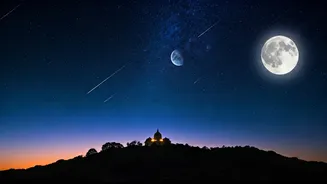
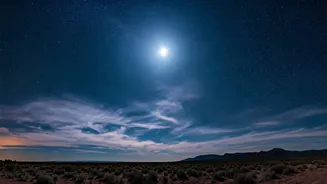
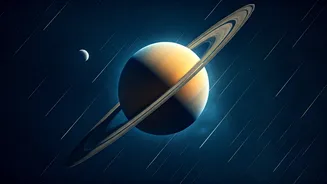
Saturn, the jewel of our solar system, makes a special appearance this month. For the best view, set your alarm for the early morning hours of July 7. Just after midnight, look towards the eastern sky, and you'll find the majestic planet in a beautiful
pairing with the third-quarter Moon. Saturn will appear as a bright, steady, golden point of light that doesn't twinkle like the stars around it. This is because planets reflect sunlight, while stars produce their own, which gets distorted by our atmosphere. Even without a telescope, this conjunction is a striking sight. If you do have a pair of binoculars, they will help you get a clearer look at Saturn's distinct glow. For those with a small telescope, you might even be able to make out its iconic rings, a truly unforgettable sight. The pair will journey across the sky together until dawn breaks.
A Month of Lunar Highlights
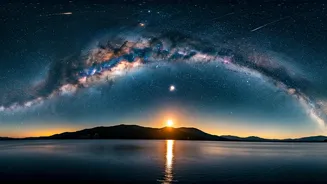
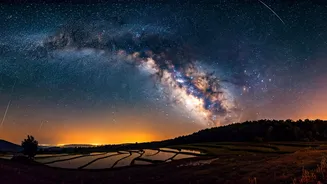
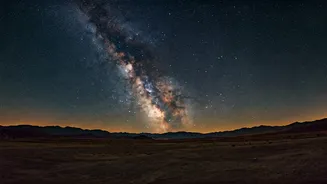
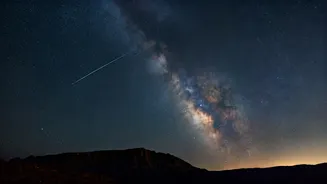
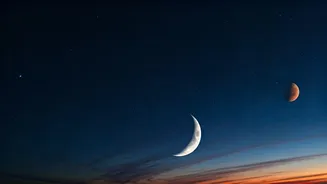
The Moon is always a familiar comfort in the night sky, but this July, it puts on a particularly varied show. The month begins with a beautiful lunar and planetary gathering. On the mornings of July 10 and 11, a slim crescent Moon will form a stunning celestial triangle with the reddish planet Mars and the famous Pleiades star cluster, also known as the Seven Sisters. Look east about an hour or two before sunrise to catch this picturesque alignment. Mid-month brings a treat for deep-sky observers. The New Moon on July 14 creates the darkest possible skies, as there will be no moonlight to wash out fainter objects. This is the perfect opportunity to head to a location away from city lights and try to spot the faint, hazy band of the Milky Way stretching across the sky. The month closes with the Full Moon on July 29, known as the Buck Moon. This year, it holds special significance in India as it coincides with the festival of Guru Purnima.
A Tale of Two Meteor Showers
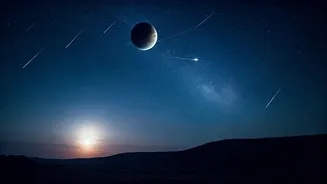
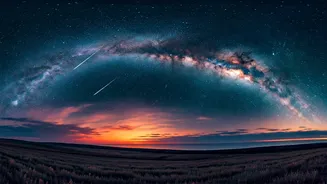
July ends with the peak of two annual meteor showers: the Southern Delta Aquariids and the Alpha Capricornids. Both are set to reach their maximum activity on the night of July 30 and into the morning of July 31. The Southern Delta Aquariids, active from July 12 to August 23, can produce a decent number of meteors. The Alpha Capricornids are less prolific but are famous for producing bright, slow-moving fireballs. However, prospective meteor watchers should manage their expectations this year. The peak of both showers coincides with a very bright waning gibbous Moon, which will be nearly full. Its brilliant glare will unfortunately wash out all but the brightest shooting stars, making viewing conditions difficult. While a dedicated observer might still catch a few meteors, especially the bright fireballs from the Alpha Capricornids, it will be a far cry from a spectacular storm.
Tips for a Successful Night of Stargazing
To make the most of these celestial events, a little preparation goes a long way. First and foremost, try to get away from the glare of city lights. The darker your location, the more you will see. Even a park or a rural area just outside the city can make a huge difference. Second, give your eyes time to adjust. It takes about 20-30 minutes for your eyes to become fully dark-adapted, which will allow you to see much fainter stars and objects. Avoid looking at your bright phone screen during this time. If you need a light, use a red torch, as red light has less impact on your night vision. Finally, be patient and comfortable. Stargazing involves a lot of looking up, so bring a blanket to lie on or a comfortable reclining chair. While most of July's highlights are visible to the naked eye, a simple pair of binoculars can dramatically enhance your view of the Moon's craters, Saturn's glow, and distant star clusters.