







The Magic of Compression Explained
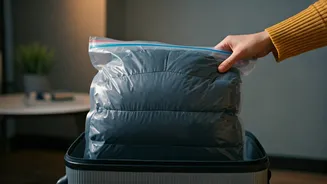
Vacuum compression bags are essentially heavy-duty plastic bags with a one-way valve. The concept is wonderfully simple: you place your soft items, like clothes and towels, inside, seal the bag, and then force the air out. By removing all the air that’s
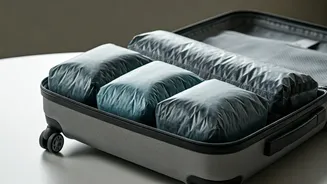
trapped between the fabric fibres, these tools can shrink bulky items down to a fraction of their original size. Think of that puffy winter jacket or your collection of jumpers for a hill station holiday suddenly becoming as flat as a book. The result is a neatly packed, dense brick of clothing that frees up an incredible amount of space in your suitcase.
The Crucial Rule: Volume vs. Weight
Here is the most important thing to understand: compression bags reduce volume, not weight. While your suitcase will look much emptier, it will weigh exactly the same. This is where many travellers get caught out. Airlines in India and abroad have limits on both the size (volume) and weight of luggage. Compressing your clothes helps you stay within the size limits, but it also makes it dangerously easy to exceed the weight limit. A bag that looks half-full could easily be over the typical 15 kg domestic or 23 kg international check-in allowance. The key is to use the extra space for light, bulky items, not to cram in more heavy jeans and shoes. Always weigh your packed suitcase at home before leaving for the airport.
How to Pack Like a Pro
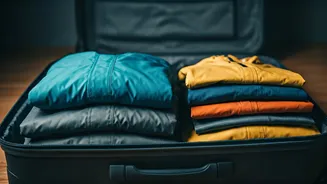
Using these bags effectively is an art. First, fold or roll your clothes neatly before placing them inside. Stacking them flat works best for minimising wrinkles. Don't overfill the bag; leave a few inches of space from the seal. For manual roll-up bags, press firmly and roll from the sealed end towards the bottom to push the air out. For bags requiring a vacuum, attach the hose of any standard vacuum cleaner to the valve and suck the air out until the bag is flat and rigid. A portable, battery-powered pump is a great investment for return journeys when you might not have access to a vacuum. Finally, distribute the compressed ‘bricks’ evenly in your suitcase to keep it balanced.
Choosing the Right Bag for Your Trip
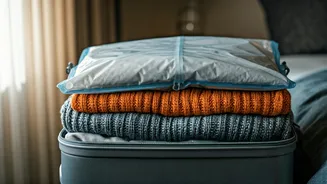
Not all compression bags are created equal. For carry-on luggage or backpacking, manual roll-up bags are perfect. They don’t require any extra equipment and are great for organising smaller items. For larger check-in suitcases, especially for long trips or packing for a family, the larger vacuum-seal bags are more efficient. They can handle bigger loads and achieve a higher level of compression. When buying, look for durable plastic with strong, double-zip seals to prevent slow leaks during transit. Reading reviews can help you find brands known for their reliability.
The Potential Downsides to Consider
While they are a game-changer, compression bags aren't without their drawbacks. The biggest issue is wrinkles. When clothes are compressed so tightly, they are bound to get creased. This makes them less ideal for formal wear like suits or silk sarees, unless you’re sure you'll have an iron at your destination. Another thing to remember is the return trip. If your bag relies on a household vacuum, you'll need access to one before you fly home. This is why many frequent travellers prefer manual roll-up bags or invest in a mini electric pump. The convenience can easily outweigh the slight inconvenience.