






Start with Official Weather Alerts
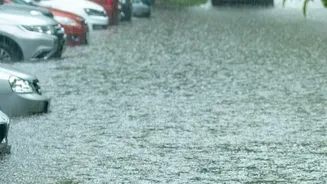
Before you even pack your bags, your first step should be to check for official warnings. The India Meteorological Department (IMD) is your most reliable source for weather forecasts and alerts. Pay close attention to the colour-coded warnings for your destination
and the entire travel route. A Yellow alert means “be updated,” Orange means “be prepared” for potentially disruptive weather, and a Red alert is a signal to “take action,” which often means postponing non-essential travel. These alerts are issued for heavy rainfall, which is a primary trigger for landslides. National and State Disaster Management Authority (NDMA/SDMA) websites and social media accounts also provide critical updates on road closures and high-risk zones.
Know the Warning Signs on the Ground
Even with clear skies, the ground can hold clues of imminent danger. Be aware of the physical warning signs of an unstable slope. Look for new cracks appearing in the soil, roads, or building foundations. Other red flags include trees, fences, or utility poles that are tilting at an unusual angle. Changes in water flow are another critical indicator; if streams suddenly become muddy or their flow increases or decreases dramatically, it could signal activity upstream. Unusual sounds, like a faint rumbling that gets louder, or the sound of cracking wood and knocking boulders, are urgent signs that a landslide may be happening. If you see or hear any of these signs, the safest action is to leave the area immediately.
Assess Your Destination and Route
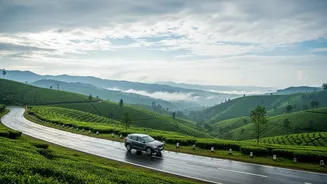
Not all hill stations are created equal when it comes to monsoon safety. Some areas are notoriously more prone to landslides due to their geology and the routes that access them. Regions like the Kullu-Manali corridor, parts of Uttarakhand's Char Dham route, and areas accessed by single, fragile highways like NH-10 in Sikkim are often at higher risk during heavy rains. Research your destination's history by checking recent local news reports. Your journey is as important as your destination. Avoid driving on hilly roads after dark, as visibility is low and it's harder to spot debris or road damage. Always have a backup route in mind, and if you are unfamiliar with the area, speak to local drivers or your hotel for real-time information on road conditions.
Pack Smart and Have a Backup Plan
A monsoon trip requires more than just an umbrella. Your packing list should prioritize safety and preparedness. Essential items include a fully charged power bank, a first-aid kit, a flashlight, dry snacks, and extra drinking water. Pack waterproof bags to protect your electronics and a change of clothes. Most importantly, have a flexible itinerary. Roadblocks and delays are common, so build extra buffer days into your schedule. Before you leave, share your detailed travel plan—including your route and hotel details—with family or friends. Save emergency contact numbers for local police and district disaster management offices on your phone and also in an offline format.
When Postponing Is the Smartest Choice
The desire to escape for a weekend is strong, but no trip is worth risking your life. If you see Red or Orange alerts issued for your destination, if local authorities are advising against travel, or if major access roads are repeatedly closing, the most sensible decision is to postpone. Travellers often get stranded for days due to landslides, putting a strain on local resources and rescue teams. Remember that a delayed trip is far better than a dangerous one. Choosing to wait for safer conditions isn't about giving up on your holiday; it's about respecting the power of nature and ensuring you'll be around to travel another day.