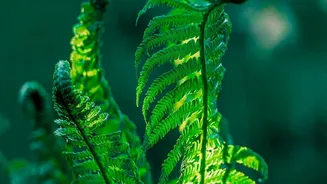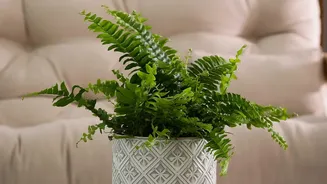






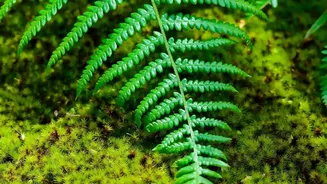

The lush, feathery fronds of an indoor fern can bring a vibrant touch of nature into any home. But it’s often a challenge to stop those beautiful leaves from turning brown and crispy. The secret often lies in one simple factor: humidity.
Why Ferns Crave a Humid Haven
Most popular indoor
ferns are native to tropical and subtropical forest floors, where they thrive under dense canopies in consistently moist, humid air. These environments typically have humidity levels of 70% or higher. In contrast, the air inside our homes, especially with air conditioning or heating, can be much drier, sometimes falling to between 10% and 40% humidity. This stark difference is why many ferns struggle indoors. Their delicate fronds are not adapted to dry conditions and will quickly show signs of stress, such as browning tips and edges, when the air lacks sufficient moisture.
The Role of Misting
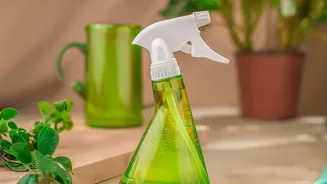
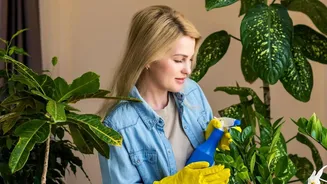
Misting is the practice of spraying a fine veil of water onto a plant's leaves. For humidity-loving plants like ferns, this provides a temporary but immediate boost in moisture around the foliage, mimicking the damp air of their native habitat. While some experts note the effects are fleeting as the water evaporates quickly, regular misting can be a beneficial part of a larger care routine, especially in very dry homes. It helps prevent the fronds from drying out and can also help keep the leaves clean of dust, which allows them to breathe and absorb light more efficiently.
A Guide to Proper Misting
To be effective and safe, misting should be done correctly. It's best to mist your ferns in the morning, which gives the foliage plenty of time to dry before nightfall. Lingering moisture in cooler, darker conditions can sometimes encourage fungal diseases. Use a spray bottle that produces a very fine mist and aim it around the plant so the droplets gently settle on the fronds rather than drenching them. For best results, use filtered or distilled water, as tap water can sometimes leave mineral deposits on the leaves. A good routine is to mist two to three times a week, adjusting based on your home's specific climate.
When Misting Isn't Enough
While helpful, misting alone may not be sufficient to keep a fern happy, as its effects are short-lived. If your fern's fronds continue to look crispy, it's a sign that you need to create a more consistently humid environment. One of the most common mistakes is allowing the soil to dry out completely, which can cause rapid decline. Ferns generally prefer their soil to be evenly moist but not waterlogged. Overwatering can lead to root rot, so always ensure your pot has good drainage.
Smarter Ways to Boost Humidity
For a more lasting solution, combine misting with other methods. Grouping several plants together is a highly effective, free technique; as plants release water through their leaves via transpiration, they collectively raise the humidity in their immediate vicinity. Another popular method is to use a pebble tray. Simply place your pot on a tray filled with pebbles and water, ensuring the bottom of the pot sits on the stones and not in the water. The evaporating water will create a pocket of humid air around the fern. For a truly dedicated approach, placing your fern in a naturally humid room like a bathroom (with adequate light) or using an electric humidifier offers the most reliable and controlled humidity.
Ferns That Flourish with Moisture
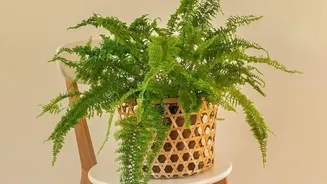
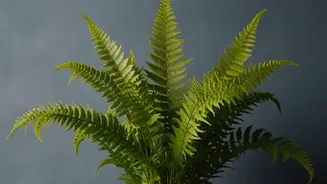
While most indoor ferns appreciate humidity, some are particularly demanding. The delicate Maidenhair Fern (Adiantum) is notorious for crisping up without very high humidity. Boston Ferns (Nephrolepis exaltata) and Bird's Nest Ferns (Asplenium nidus) are also classic choices that reward extra moisture with lush, vibrant growth. By paying attention to their need for damp air, you can successfully grow these stunning plants and enjoy their verdant beauty year-round.