

Decoding the 'Clean Label' Revolution
The term 'clean label' is now a dominant force in India's food industry, but what does it actually mean? There is no strict regulatory definition; instead, it is a movement driven entirely by consumers. A clean label product is one with a short, simple,
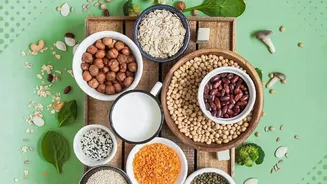
and understandable list of ingredients. It’s about being able to recognise what you are eating — think whole grains, nuts, seeds, and spices, rather than a long list of chemical compounds, artificial colours, flavours, or preservatives. This shift reflects a growing consumer demand for transparency and a return to food in its most natural state possible, free from excessive processing and synthetic additives.
Why Indian Consumers are Demanding More
The healthy snacking market in India is expanding at a remarkable pace, with some estimates projecting a growth rate of nearly 10% per year. This boom is fuelled by a powerful shift in consumer behaviour. A growing awareness of lifestyle-related health issues has made Indians more vigilant about their dietary choices. Studies show that a significant majority of urban consumers, up to 73%, now actively read nutrition labels before making a purchase. They are looking for specific attributes: 55% seek products with no artificial additives, and a similar number express a strong preference for natural ingredients. This isn't just about avoiding the 'bad'; it's also about adding the 'good'. Protein, for instance, has moved from a niche fitness supplement to a mainstream demand, with 86% of consumers deeming it an important factor in their snack choices.
The Rise of Traditional Superfoods in Modern Avatars
Interestingly, this modern trend has led to a powerful revival of traditional Indian ingredients. Ancient superfoods are being repackaged for the 21st-century consumer. Millet-based snacks, once considered rustic, are now celebrated for their high fibre and protein content. Makhana (fox nuts), traditionally used in religious ceremonies or as a simple fast food, has exploded in popularity as a roasted, ready-to-eat snack, capturing a significant share of the health snack market. Brands are innovating with baked or popped versions of classic snacks instead of fried ones. Natural sweeteners like jaggery and dates are replacing refined sugar, with over 60% of consumers favouring this switch. This trend honours culinary heritage while meeting the modern demand for nutritious, on-the-go options.
How to Be a Smart, Clean Snacker
Navigating the crowded snack aisle can be confusing, especially with marketing terms like 'natural' or 'healthy' used so freely. The key is to become a savvy label-reader. First, look at the length of the ingredient list — shorter is often better. Second, check if you recognise the ingredients as real food. If it sounds like it was made in a lab, it probably was. Third, be wary of hidden sugars and sodium. Don’t just look at the front of the pack; the nutritional information on the back tells the real story. The most powerful tool a consumer has is their demand for transparency. In fact, one recent study found that 62% of consumers consider clear ingredient information more important than celebrity endorsements.