





Why Pollution Leaves You Feeling Parched
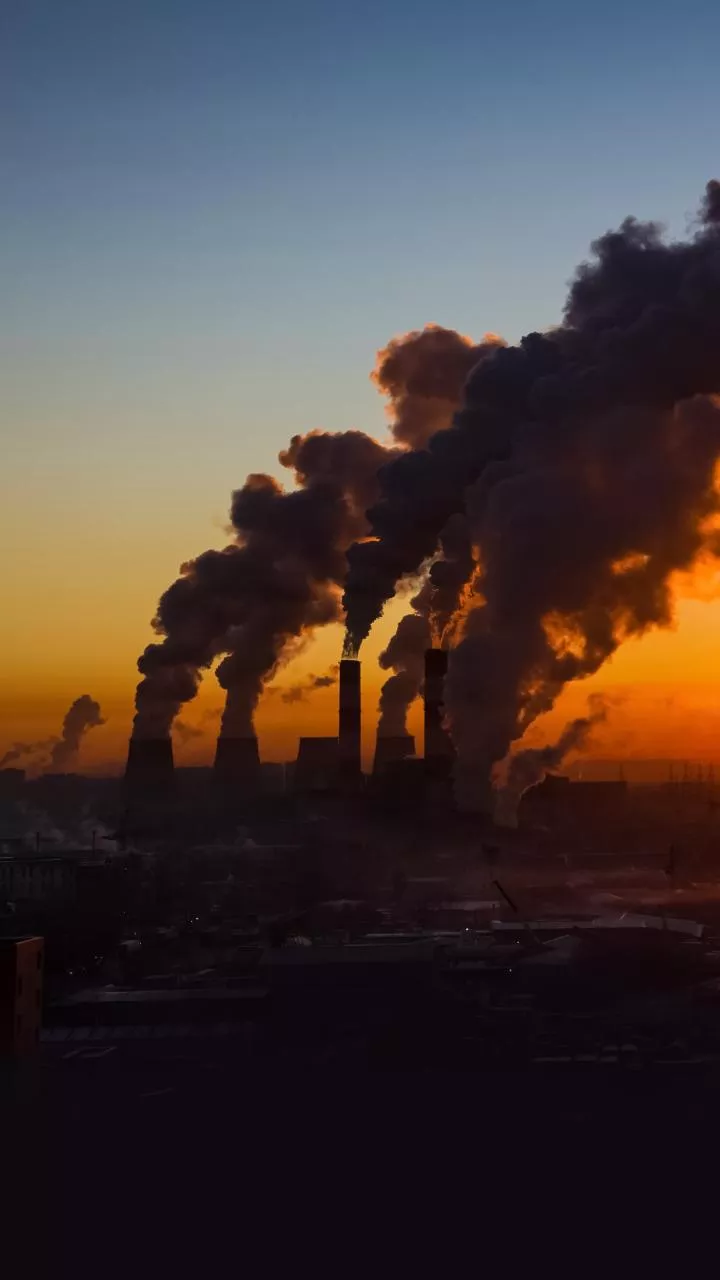
That scratchy throat, stinging eyes, and tight skin aren't just in your head. Poor air quality, laden with pollutants like particulate matter (PM2.5), nitrogen dioxide, and sulfur dioxide, directly impacts your body's moisture levels. These tiny particles
act as irritants, disrupting the protective layers on your body's surfaces. In your eyes, they destabilise the tear film, which is meant to keep them moist, leading to faster evaporation and that gritty, dry-eye sensation. Similarly, these pollutants irritate the mucous membranes in your respiratory tract, from your nose to your lungs, causing inflammation and dehydration. Your skin, the body's largest organ, also suffers as pollutants penetrate its barrier, causing oxidative stress, moisture loss, and accelerated ageing.
Hydration Begins from Within
The first line of defence is the most obvious one: drink more water. When your body is fighting off pollutants, staying well-hydrated is crucial. While the old 'eight glasses a day' rule is a decent starting point, your needs may increase during high-pollution periods. Don't wait until you feel thirsty, as thirst is an early sign of dehydration. Sip water consistently throughout the day. To make it more effective, also consume other hydrating fluids. Coconut water helps replenish electrolytes, while warm herbal teas or clear soups can soothe an irritated throat. Incorporating water-rich foods into your diet provides a secondary source of hydration. Fruits and vegetables like cucumber, watermelon, oranges, and spinach are all excellent choices.
Soothing Your Eyes and Airways
Your eyes and nose are on the frontline of exposure. To combat the constant irritation, a few simple habits can provide significant relief. For dry, itchy eyes, use preservative-free lubricating eye drops, often called 'artificial tears,' to restore moisture. If you wear contact lenses, consider switching to glasses on days with particularly bad air quality, as lenses can trap pollutants against the eye's surface. Always wear wraparound sunglasses when outdoors to create a physical barrier. For a stuffy or dry nose, a saline nasal spray can help moisturise the passages and wash out trapped particles. At home, running a humidifier adds moisture to the indoor air, which can soothe your airways and prevent your skin and nose from drying out, especially in air-conditioned or heated rooms.
Protect and Moisturise Your Skin
Your skin needs a defensive strategy against the environmental assault. The key is to cleanse, moisturise, and protect. Cleanse your skin gently every evening to remove pollutants that have accumulated during the day. Over-washing can strip natural oils, so use a mild cleanser. After cleansing, apply a robust moisturiser to restore the skin's barrier. In dry, polluted conditions, thicker creams with ingredients like ceramides and hyaluronic acid are particularly effective at locking in moisture. Look for products containing antioxidants like vitamins C and E. These ingredients help neutralise the harmful free radicals produced by pollution, which are responsible for inflammation and premature ageing. And, as always, daily sunscreen is non-negotiable to protect against UV damage, which can be exacerbated in polluted environments.
Eat to Fight Inflammation
Beyond just hydration, your diet can equip your body to handle the stress of pollution. Focus on foods rich in antioxidants and anti-inflammatory properties. Omega-3 fatty acids, found in fatty fish, walnuts, and flaxseeds, are known to reduce inflammation throughout the body, including in the respiratory system. Vitamins C and E are powerful antioxidants that protect your lungs and skin. Load up on citrus fruits, amla, bell peppers, almonds, and sunflower seeds. Beta-carotene, found in carrots, sweet potatoes, and leafy greens, also helps control inflammation. Certain foods like broccoli and ginger have been shown to help the body detoxify and fight the inflammatory response triggered by inhaling pollutants. Berries are also excellent, as they contain antioxidants that help protect against pollution-induced damage.