





Plan Your Meals and Master Your List
The single most effective way to cut down on grocery spending is to plan your meals for the week. Before you head to the store or shop online, decide what you will cook for breakfast, lunch, and dinner. This helps you create a detailed shopping list.
Sticking to a list is crucial as it prevents impulse buys, which often lead to overspending and food waste. When you know exactly what you need, you buy only those items, ensuring everything you purchase has a purpose in your kitchen. This simple habit can reduce food waste by 30-50% in many homes.
Embrace Seasonal and Local Produce
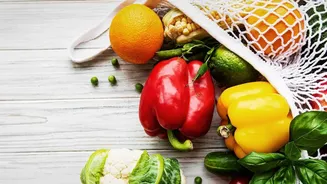
One of the simplest rules of smart grocery shopping is to buy vegetables and fruits that are in season. Seasonal produce is available in abundance, which naturally brings down its cost. It is also fresher, tastes better, and retains more nutrients because it hasn't travelled long distances. Shopping at your local sabzi mandi or from local farmers supports the community economy and reduces the environmental impact of food transportation. Keep an eye on what's arriving fresh at the market each week, as this is your best guide to what is both affordable and at its peak.
The Art of Smart Storage
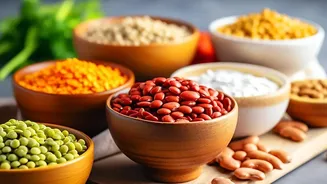
Reducing food waste is a direct way to save money. An estimated 30% of horticultural produce in India is lost to spoilage. Proper storage can significantly extend the life of your groceries. Store leafy greens like spinach and coriander by washing, drying them completely, and wrapping them in a cloth or paper towel inside an airtight container. Keep potatoes and onions in a cool, dark, and dry place, but store them separately. Tomatoes are best kept at room temperature to preserve their flavour. For pulses, store them in airtight jars to protect them from moisture and pests.
Use the Whole Vegetable
Many parts of vegetables that we typically discard are perfectly edible and nutritious. This "root-to-leaf" approach has long been a part of traditional Indian cooking. For instance, the stems of cauliflower and broccoli can be used in stir-fries or added to dal. Vegetable peels and ends from carrots, lauki (bottle gourd), and potatoes can be simmered to create a flavourful vegetable stock for soups and curries. This not only stretches your ingredients further but also adds extra nutrients to your meals.
Get Creative with Pulses and Leftovers
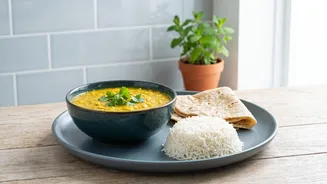
Pulses are a cornerstone of the Indian diet, and there are many ways to make them go further. Mixing different types of dal can create a new flavour profile while using up smaller quantities from your pantry. Sprouting lentils before cooking increases their nutritional value and volume. When it comes to leftovers, think of them as ingredients for the next meal. Leftover dal can be used to make dough for parathas, while extra rice can be transformed into fried rice or pulao. Stale rotis can even be cut into strips and stir-fried like noodles.
Consider Buying in Bulk and Shopping Online
For non-perishable staples like rice, dals, and whole spices, buying in bulk can often be more economical, provided you have adequate storage space. This reduces packaging waste and lowers the cost per unit. Additionally, don't overlook online grocery stores. These platforms often provide competitive pricing, discounts, and the convenience of comparing prices across different brands from the comfort of your home, helping you track your spending as you shop.