






A Thanksgiving for Deliverance
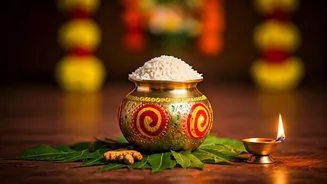
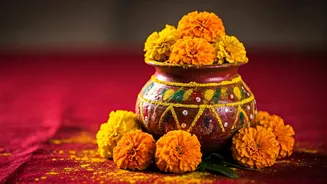
At its heart, Bonalu is a vibrant thanksgiving festival dedicated to the Mother Goddess, Mahakali. Its name derives from the Telugu word 'Bhojanalu', meaning a meal or a feast. Devotees, primarily women, prepare a special offering of rice cooked with
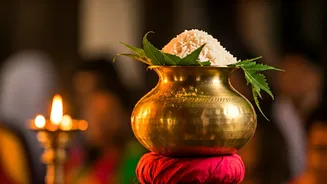
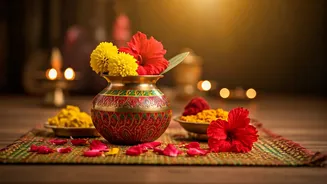
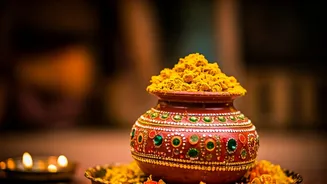
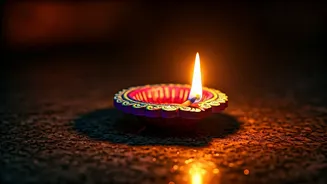
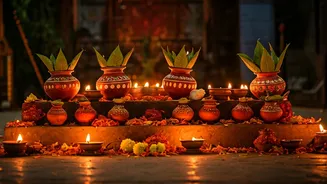
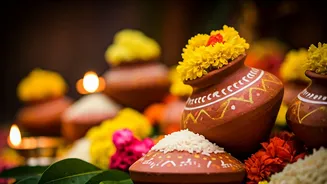
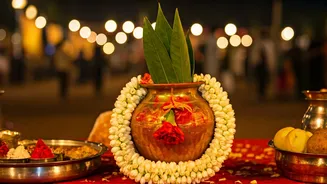
milk and jaggery. This 'Bonam' is placed in a new brass or earthen pot, decorated with neem leaves and turmeric, and topped with a lit lamp. The women then carry these pots on their heads in processions to various temples, an act of gratitude for wishes fulfilled and a prayer for continued protection. The festival is an annual affair, celebrated during the Hindu month of Ashada Masam, which typically falls across July and August.
A Promise Forged in a Plague
The festival's origins are deeply rooted in Hyderabad's history, tracing back to a crisis in 1813 when a deadly plague devastated the twin cities of Hyderabad and Secunderabad. According to historical accounts, a military battalion from Hyderabad was deployed in Ujjain at the time. Hearing the devastating news from home, the soldiers prayed to the Mahakali in Ujjain, vowing to install an idol of the Goddess in their city if the epidemic subsided. When the plague receded, the soldiers fulfilled their promise by building the Ujjaini Mahakali Temple in Secunderabad and making the first offerings, starting a tradition that has now endured for over two centuries.
The Key Rituals and Figures
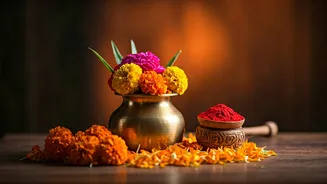
Beyond the central offering of the Bonam, the festival is marked by several unique and dramatic rituals. Processions are often led by a Pothuraju, considered the Goddess's brother. Typically a well-built man, bare-chested and smeared with turmeric, he dances energetically to drum beats, sometimes lashing a whip. Another key event is the 'Rangam', or oracle prediction, which takes place the morning after the main celebrations. A woman, believed to be channeling the spirit of the Goddess, stands atop an earthen pot and foretells the year ahead for the community. Another symbolic element is the 'Ghatam', a decorated copper pot representing the Goddess, which is carried in procession throughout the festival before being immersed in water on the final day.
A Citywide Calendar of Devotion
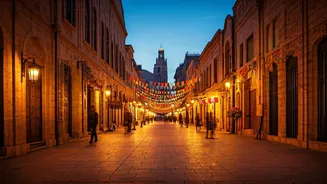
Bonalu is not a single-day event but a month-long affair that moves across the twin cities. The celebrations traditionally begin on the first Sunday of Ashadam at the Jagadambika temple atop Golconda Fort. The focus then shifts on subsequent Sundays to other major temples, including the Ujjaini Mahakali Temple in Secunderabad (known as Lashkar Bonalu) and Sri Mahankali Temple at Lal Darwaza in the Old City of Hyderabad. For 2026, the main festivities are expected to span the Sundays of July and August, beginning around July 19th. This staggered schedule ensures that for the entire month, some part of the city is alive with the sights and sounds of the Jatara (fair).
The Soul of a State
More than just a religious event, Bonalu is a celebration of Telangana's distinct cultural identity. In 2014, following the formation of the new state, Bonalu was officially declared a state festival, cementing its importance. It is a time when families come together, share the sacred meal offered to the goddess, and celebrate their heritage. While its origins lie in a plea for protection from disease, the festival today is a powerful and joyous expression of collective faith and cultural pride, embodying the resilience and spirit of Hyderabad itself. It truly transforms the city's calendar, making July a month of devotion.