


The Proposal on the Table
A growing consensus of leading Indian doctors, public health experts, and nutritionists is formally recommending the integration of lower-sodium, potassium-enriched salt substitutes (LSSS) into the country's national health framework. This proposal, supported
by organizations like The George Institute for Global Health and Resolve to Save Lives, urges regulatory bodies, including the Food Safety and Standards Authority of India (FSSAI), to recognise LSSS as an approved category of 'edible salt'. The experts are not just suggesting it be available on store shelves; they advocate for its inclusion in large-scale food programs, such as mid-day meals, public distribution systems (PDS), and hospital kitchens, to normalise its use and maximise public health benefits.
What Exactly is Lower-Sodium Salt?
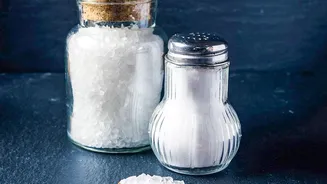
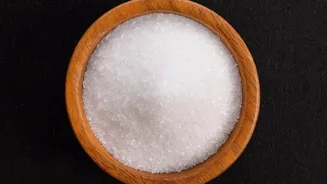
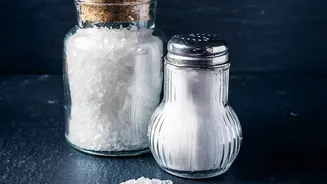
Lower-sodium salt isn't simply 'less salt.' It is a reformulated product where a portion of the sodium chloride (regular salt) is replaced with potassium chloride. Typically, these substitutes contain about 70-75% sodium chloride and 25-30% potassium chloride. The result is a product that looks, tastes, and is used in cooking just like conventional salt but has a significantly different mineral profile. This simple switch addresses two dietary problems at once: it reduces the intake of sodium, which is consumed in excess, and increases the intake of potassium, a mineral that is often lacking in the average Indian diet.
The Sobering Reality of Salt in India
The push for this change is driven by alarming health statistics. Indians consume, on average, 8 to 11 grams of salt per day, which is nearly double the World Health Organization's (WHO) recommended limit of 5 grams. This excessive sodium intake is a primary driver of hypertension, or high blood pressure, a condition affecting a massive number of Indians. High blood pressure is a major risk factor for cardiovascular diseases (CVDs) like heart attacks and strokes, which are the leading cause of death in the country. Studies estimate that a nationwide switch to potassium-enriched salt could prevent approximately 400,000 deaths from heart and kidney disease in India every year.
The Dual Health Benefit
The primary benefit of LSSS is its proven ability to lower blood pressure. Research, including a trial in rural India, has shown significant reductions in systolic blood pressure among people with hypertension who used potassium-enriched salt. A large-scale study in China demonstrated that its use over five years led to a 14% reduction in strokes, a 13% fall in major cardiovascular events, and a 12% drop in overall deaths. The benefit comes from both lowering harmful sodium and boosting beneficial potassium, which helps counteract sodium's hypertensive effects. Prof. Ambuj Roy of AIIMS, New Delhi, has even called it a 'dietary vaccine' for hypertension—a passive intervention that offers constant protection without asking people to sacrifice taste.
A Note of Caution is Necessary
While the population-level benefits are substantial, this salt substitute is not for everyone. The increased potassium can pose a serious health risk for individuals with advanced chronic kidney disease (CKD), as their bodies may not be able to process the mineral effectively, leading to a dangerous condition called hyperkalemia (high blood potassium). It may also be risky for people taking certain medications that increase potassium levels in the blood. Experts stress that any rollout must be accompanied by clear product labelling and public education campaigns. Nephrologist Dr. Vivek Jha notes that these risks can be managed effectively through clinical oversight and educating patients in high-risk groups. Crucially, modelling studies have shown that even when accounting for these potential risks, the net benefits for the population, including those with kidney disease, remain overwhelmingly positive.
What Happens Next?
The proposal is currently a consensus statement from experts, aimed at influencing policy. For it to become a reality, the FSSAI would need to formally amend its regulations to define and approve standards for potassium-enriched salt as an 'edible salt'. Currently, the availability and awareness of such products are low, and they are often more expensive than regular salt. A government-backed strategy, including public procurement for institutional canteens and social programs, would be crucial to increase volume, lower costs, and make it a mainstream option. The path forward involves moving from scientific consensus to policy action, bridging what experts call the 'evidence-to-action gap' to make this simple, life-saving intervention available to millions.