





What Exactly Is This Ancient Drink?
Kanji is a fermented drink traditionally popular in North India, especially during the winter months and the festival of Holi. Its most classic form, often called 'Gajar ki Kanji', is made from a handful of simple ingredients: black carrots, water, salt,
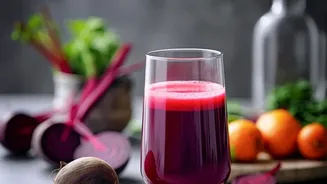
and coarsely ground mustard seeds. The mixture is typically left in a glass or ceramic jar to ferment in the sun for several days. This natural fermentation process is what gives Kanji its characteristic tangy, pungent, and slightly earthy flavour, as well as its deep purplish hue from the black carrots. While black carrot is the star, variations also use beetroot, regular carrots, or even turnips. For generations, it has been a household remedy and a seasonal tonic, a testament to the enduring wisdom of Indian culinary traditions.
The Gut Health Connection
The secret to Kanji's rising popularity lies in one word: fermentation. This age-old process does more than just preserve food; it creates a powerhouse of beneficial microbes. During fermentation, naturally occurring lactic acid bacteria (LAB) break down the sugars in the carrots, producing lactic acid. This not only gives the drink its signature tang but also populates it with probiotics—the 'good' bacteria essential for a healthy digestive system. A balanced gut microbiome is linked to numerous health benefits, including improved digestion, better nutrient absorption, and a stronger immune system. Kanji is considered a natural source of these probiotics, helping to reduce issues like bloating and supporting overall digestive wellness. Some studies have even noted that homemade Kanji can possess a higher probiotic and antioxidant profile compared to some commercial probiotic drinks.
From Family Tradition to Urban Trend
So why is a drink that grandmothers have been making for years suddenly trending in urban India? The answer lies in a global shift towards wellness and a renewed appreciation for local, natural foods. As consumers become more aware of gut health, the demand for probiotic-rich foods like kombucha and kefir has soared. Kanji presents itself as a uniquely Indian alternative—caffeine-free, naturally low in sugar, and rooted in local ingredients. It taps into a desire for authenticity and a 'back-to-roots' movement, where traditional knowledge is being re-evaluated through a modern, scientific lens. For many urbanites, Kanji is more than just a health drink; it's a connection to their heritage, a sustainable choice, and a delicious way to embrace a healthier lifestyle.
A Unique Flavour Profile
For those new to Kanji, the taste can be a unique experience. Unlike the often sweet and fizzy profile of kombucha, Kanji is savoury and pungent. The primary flavour notes are a distinct sourness from the lactic acid, a sharp kick from the mustard seeds, and an earthy undertone from the carrots. The salt balances these powerful flavours, making for a refreshingly complex beverage. It is often consumed as an appetizer to aid digestion or as a zesty accompaniment to meals. The fermented carrots and beets can also be eaten as a tangy pickle, ensuring nothing goes to waste.
Embracing the Kanji Craze
The beauty of Kanji lies in its simplicity, and making it at home is the most common way to enjoy it. The process involves little more than combining sliced carrots, ground mustard, salt, and water in a clean jar and letting nature do its work. The fermentation time can vary from three to five days, depending on the temperature and amount of sunlight. As the trend grows, artisanal and health-focused brands are also beginning to bottle and sell Kanji, making it more accessible to those who may not have the time or space to prepare it. Whether homemade or store-bought, it's a trend that invites you to sip on a piece of history while nourishing your body from the inside out.