
The Soul of a Cuisine
In Indian cooking, a 'masala' is far more than just a pinch of spice; it is a meticulously crafted blend that forms the very identity of a dish. These mixtures, passed down through generations, are not designed simply to add heat, but to create a layered
symphony of flavour and aroma. While some blends like Garam Masala are known across the country, regional cuisines pride themselves on unique concoctions that tell a story of their specific history, geography, and culture. Two of the most celebrated culinary traditions in Tamil Nadu, Chettinad and Madurai, offer a fascinating study in how different spice philosophies can emerge just a few hours' drive from each other.
Chettinad: A World of Pungent Spices
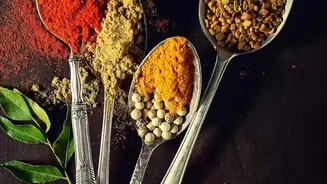
Chettinad cuisine belongs to the Chettiars, a community of merchants and traders whose travels across Southeast Asia heavily influenced their palate. This history is reflected in their spice blends, which are famously complex and pungent. A classic Chettinad masala is a robust, fiery mix, often containing a dozen or more spices that are dry-roasted to intensify their flavours. Key ingredients include star anise, cinnamon, cloves, coriander seeds, cumin, and a generous amount of black pepper and dried red chillies. What truly sets it apart are unique local spices like 'kalpasi' (stone flower) and 'maratti mokku' (kapok buds), which lend a distinct, earthy, and almost smoky dimension. This powerful blend is the heart of iconic non-vegetarian dishes like Chettinad chicken and mutton chukka, but it also elevates vegetarian preparations, giving them an unmatched depth and intensity.
Madurai: The Fragrance of the Temple City
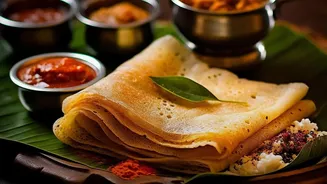
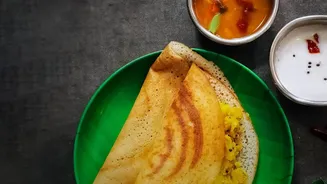
Known as 'Thoonga Nagaram' (the city that never sleeps), Madurai's culinary identity is deeply intertwined with its vibrant, 24/7 street food culture. While dishes like the famous Kari Dosai (a dosa layered with minced meat and egg) get much of the attention, the underlying spice blends are subtly different from their Chettinad counterparts. Madurai's masalas tend to be more aromatic and fragrant, with a focus on creating a balanced, slightly sweeter profile. Fennel seeds and poppy seeds are often used more prominently, imparting a gentle sweetness and a creamy texture to gravies. While still using staples like cumin, coriander, and chillies, the overall blend is less about fiery heat and more about a layered, aromatic warmth. This can be tasted in local specialties like mutton curries and the 'salna' (a thin, spicy gravy) served alongside parottas. The food here reflects the city's status as an ancient cultural hub, blending boldness with a refined fragrance.
The Tale of Two Palates
The primary difference between the two cuisines lies in their dominant flavour profiles, dictated by their signature masalas. Chettinad cuisine leads with pungency and complex, bold heat, a direct result of its extensive use of black pepper, star anise, and the unmistakable notes of stone flower. It’s a cuisine that announces its presence with authority. Madurai's approach, while also flavourful, is comparatively milder and leans towards the aromatic. The prominent use of fennel seeds provides a sweet, fragrant backbone that balances the heat from the chillies. While Chettinad cuisine gained complexity from international trade routes, Madurai’s food feels deeply rooted in the tastes of the local Pandya heartland, refined over centuries. One is a fiery journey of flavour, the other is a fragrant embrace.