







The Great Monsoon Gamble
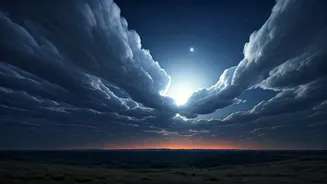
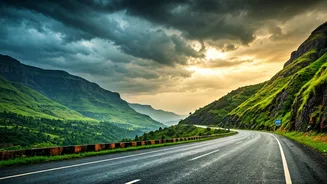
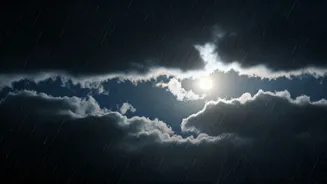
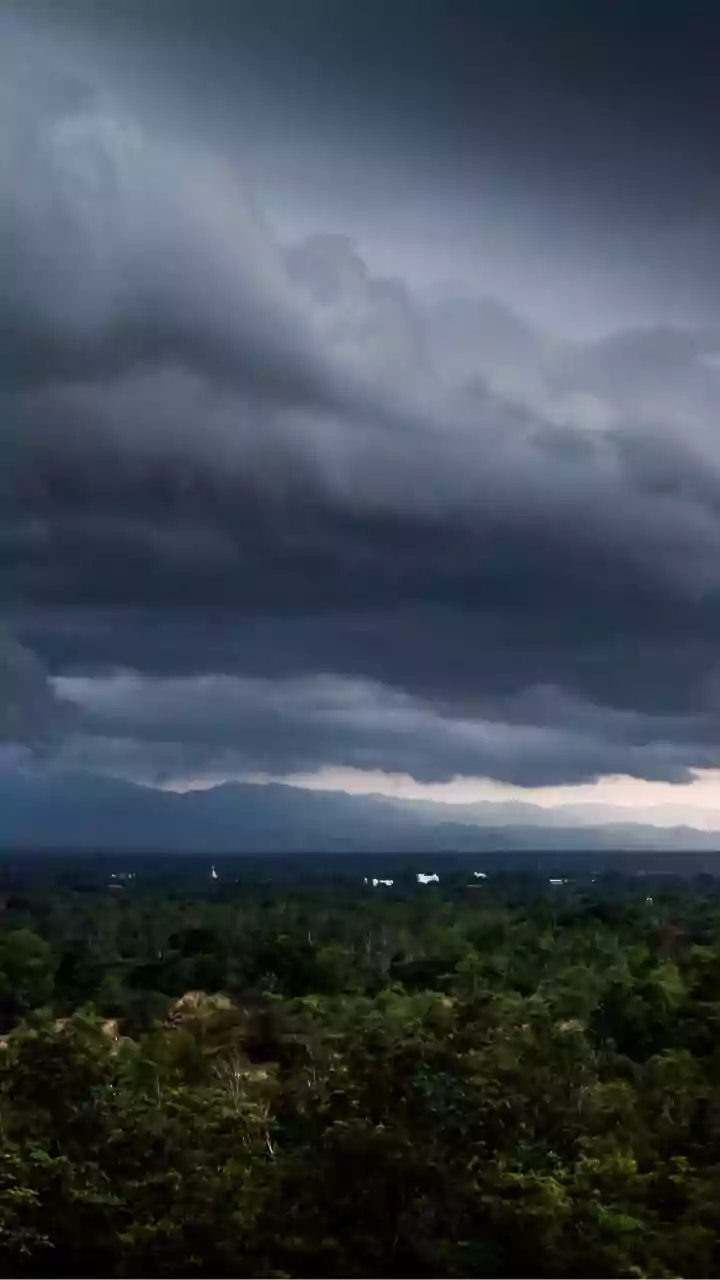
For much of India, the period from June to September is a challenging one for skywatching. The monsoon, while essential for the land, brings extensive cloud cover that can turn an eagerly awaited celestial event into a non-starter. This doesn't mean you
have to pack your telescope away for months, but it does mean your planning needs to be smarter. While most of the country is under a blanket of grey, some rain-shadow regions like Ladakh and Spiti Valley offer clearer skies. For the rest, success depends on finding those brief, clear windows after a downpour, which requires a keen eye on the forecast.
Your New Weather Companions
Gone are the days of just looking out the window and hoping for the best. A modern skywatcher's toolkit starts with a reliable weather app. The official app from the India Meteorological Department (IMD), MAUSAM, provides forecasts, radar images, and warnings directly from the source. Another government-backed app, Damini, specifically provides alerts for lightning, which is crucial during storm season. For a second opinion, many turn to private forecasters like Skymet Weather, which offers detailed forecasts in several Indian languages, or international services like AccuWeather and Meteored, which have robust local data. The goal is to get a multi-layered view of cloud movements and potential rainfall in the hours leading up to your session.
Forecasts Built for Stargazers
General weather apps tell you if it will rain, but they don't tell you if you'll see any stars. For that, you need astronomy-specific tools. Apps like Astrospheric and Clear Outside are built for this very purpose. They go beyond simple cloud cover percentages and provide forecasts for 'transparency' (how clear the air is) and 'seeing' (how steady the atmosphere is). A sky can be cloud-free but hazy, ruining views of faint objects. These apps use colour-coded charts to tell you, hour by hour, whether it's truly a good night for astronomy. They also include essential data like moon phases and sunset and darkness times, helping you pick the perfect window of opportunity.
Escaping the City Glow
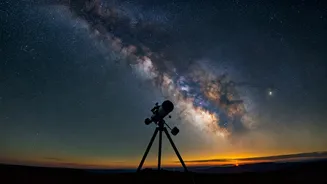
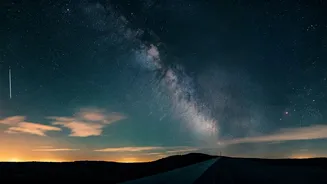
An even bigger challenge than clouds for many urban skywatchers is light pollution. The constant glow from cities washes out all but the brightest stars and planets, making it impossible to see faint meteor showers or the Milky Way. Reports show that this is a growing problem across India, forcing even professional observatories to move to more remote locations. For a successful night, you often need to travel 60-90 minutes away from major urban centres to find darker skies. Websites like Light Pollution Map can help you identify nearby dark sites. India's first official Dark Sky Reserve in Hanle, Ladakh, represents a growing awareness of the need to protect our view of the cosmos.
Mark Your Calendar for December
While the famous Perseid meteor shower in August is often a washout for many due to the monsoon, another major event has much better prospects. The Geminid meteor shower, peaking on the night of December 13-14, 2026, is considered by many to be the best shower of the year for Indian observers. The skies in December are typically clear and crisp across most of the country after the monsoon has retreated. In 2026, the moon will be a thin crescent, meaning its light won't interfere with the show, which can produce up to 120 meteors per hour under dark skies. It’s the perfect opportunity to put your new forecasting skills to the test.