



September's Deceptive Weather
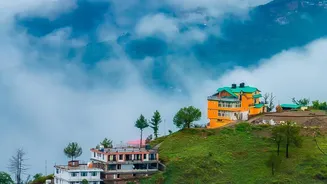
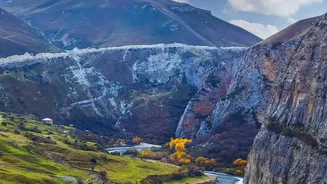
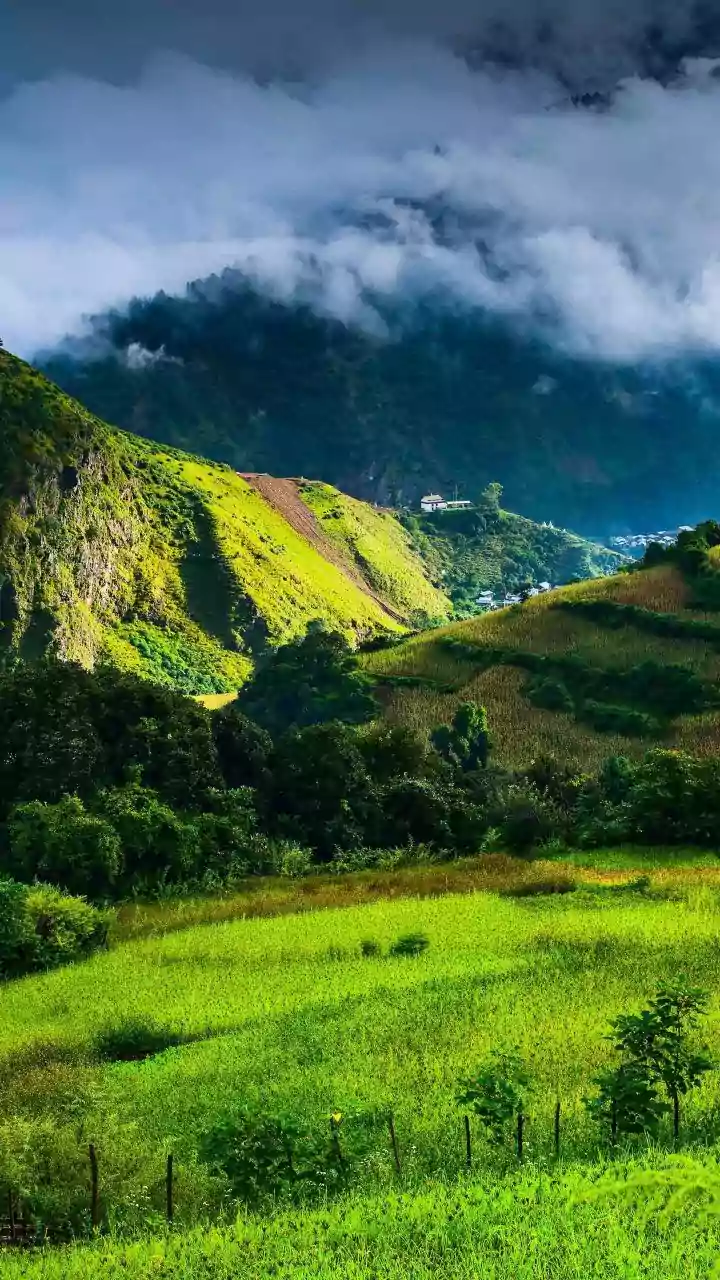
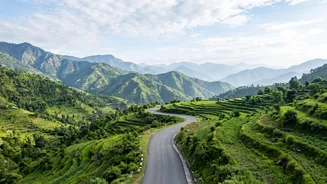
September often feels like a sweet spot for mountain travel. The heaviest downpours of July and August seem to have passed, crowds have thinned, and the landscape is a vibrant, freshly washed green. However, this transitional period is what makes the month
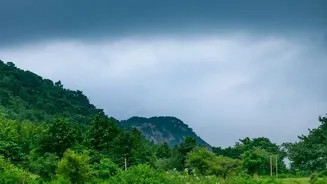
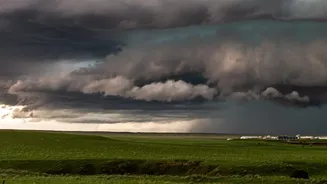
so tricky. The ground is often heavily saturated from preceding rains, making it unstable. Furthermore, late-season weather systems can bring sudden, intense spells of rainfall, even if the overall monsoon is considered weak. For instance, weather forecasts for early September 2026 show a Western Disturbance expected to bring widespread and potentially heavy rain across Himalayan states like Himachal Pradesh and Uttarakhand, regions that have already seen extremely heavy rainfall in the past few days. This highlights that the monsoon's retreat is not always a gentle fade-out but can include dangerous parting shots.
The Real Risks: Beyond Just Getting Wet
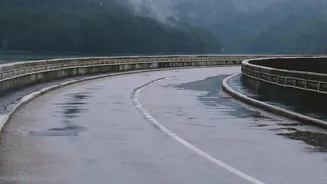
The primary danger of a September mountain trip isn't simply being caught in a shower; it’s the serious hazards that intense rain can trigger on fragile terrain. The most significant risk is landslides. When saturated slopes receive another burst of heavy rain, they can give way, sending mud, rocks, and debris crashing down onto roads and trails, sometimes with little warning. In just the first days of September 2026, such incidents have been reported in states like Uttarakhand, leading to fatalities and property damage. Beyond landslides, travellers face the risk of flash floods, where serene streams can turn into raging torrents in minutes. This makes riverside camping or even crossing small bridges hazardous. Roads can become blocked, potentially stranding tourists for days, while trekking paths turn into slippery, treacherous tracks with poor visibility due to fog.
Your Essential Pre-Trip Checklist
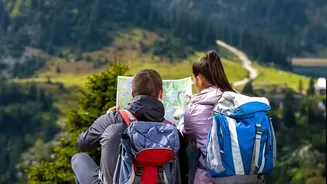
Being prepared starts before you even pack your bags. Make checking the weather your top priority. Don't just glance at a generic app; consult official sources. The India Meteorological Department (IMD) provides detailed, district-level forecasts and warnings. Pay close attention to colour-coded alerts. An Orange alert means "be prepared" and is a strong signal to reconsider your travel plans, while a Red alert means "take action" and is a clear sign to stay put or cancel. Also, check the social media feeds or websites of the local state police and Disaster Management Authority for real-time updates on road closures and active landslides. It's wise to speak with your hotel or a local contact in your destination a day or two before you leave; they will have the most current ground-level information. Sharing your itinerary with family or friends is another simple but crucial safety step.
Packing and Planning for Uncertainty
Given the unpredictable weather, your packing and planning must be flexible. An umbrella is often useless against strong mountain winds; a reliable waterproof jacket and pants are essential. Pack quick-drying clothes and ensure your footwear has excellent grip for slippery paths. It's a good practice to put clothes, electronics, and important documents inside plastic bags within your main backpack for extra protection. Your itinerary should have buffer days built in. A rigid, back-to-back schedule can fall apart with a single road closure. If you're driving, ensure your vehicle's tyres, brakes, and wipers are in top condition and always travel during daylight hours, as visibility drops dramatically at night and most landslides occur then. Finally, always carry a basic first-aid kit, a power bank, a torch, and some non-perishable snacks and water, in case you face unexpected delays.