


An Unlikely Social Media Star
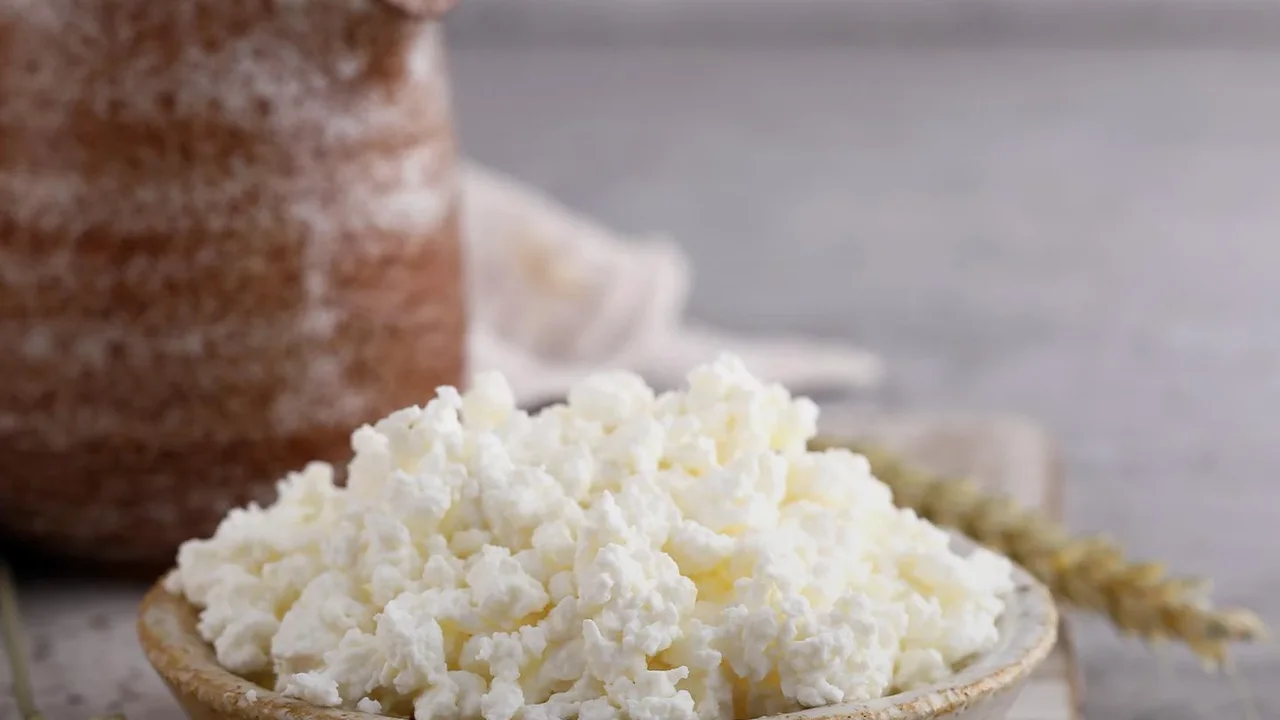
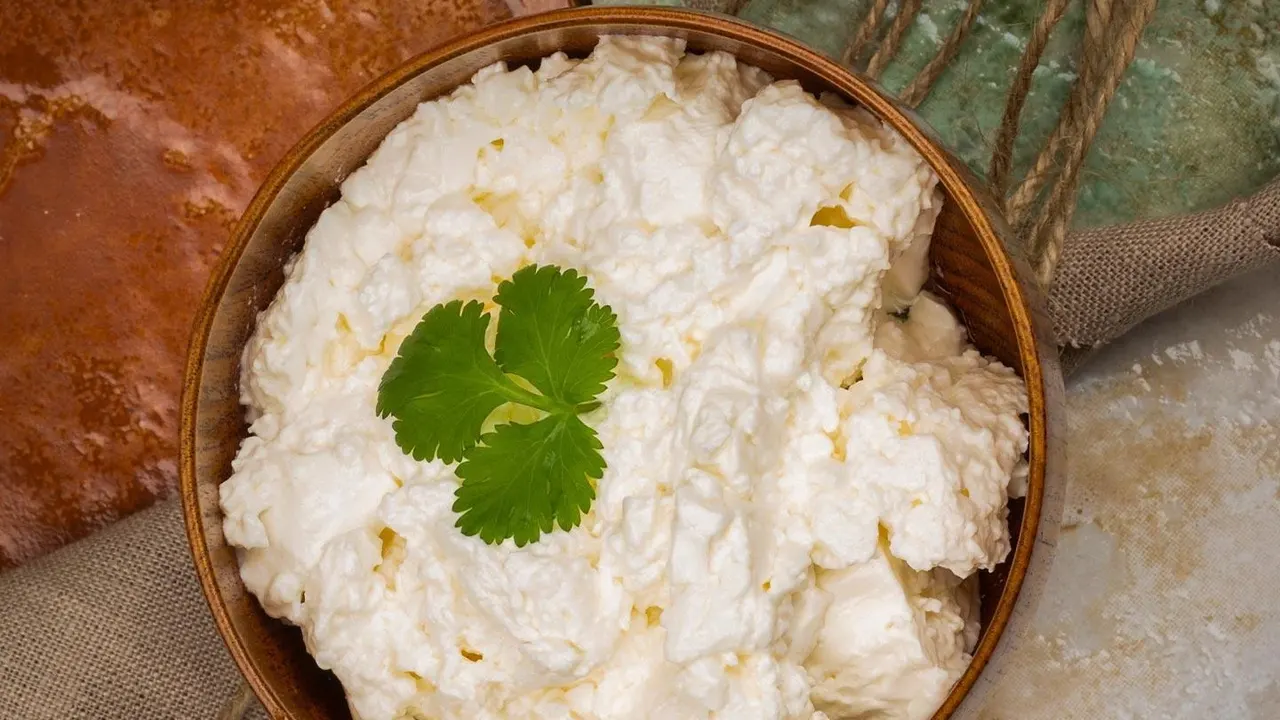
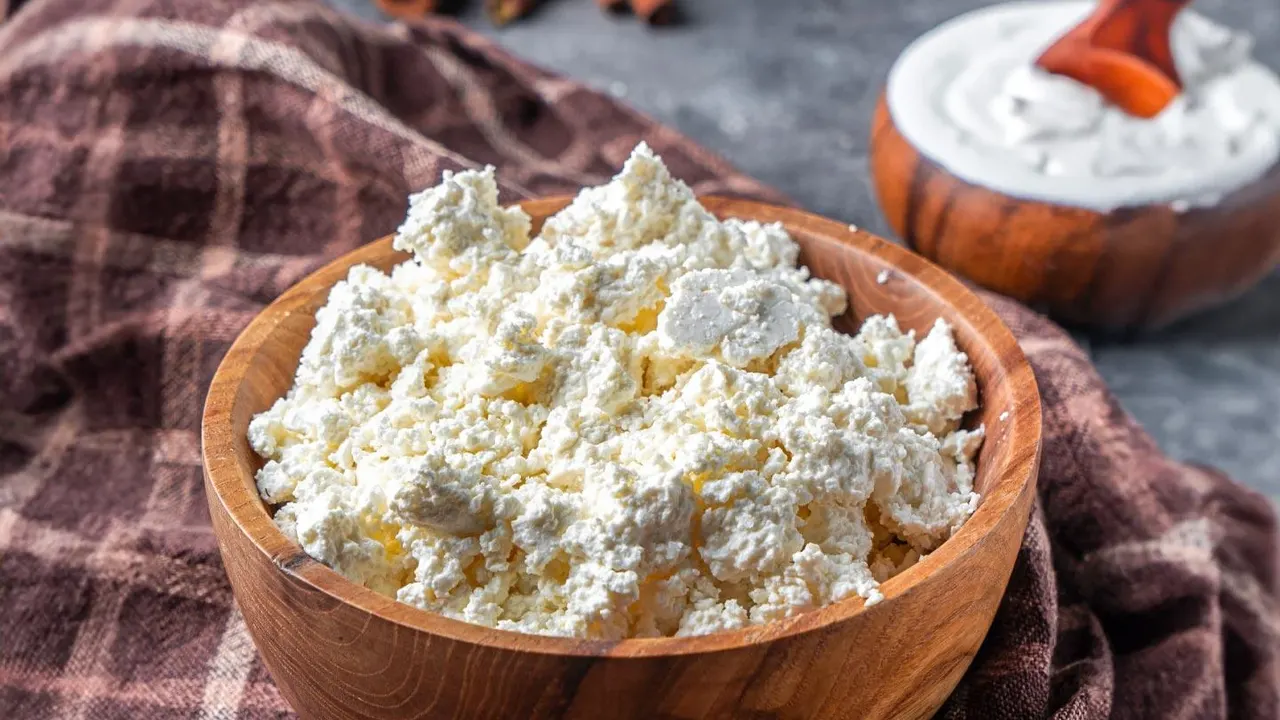
If you've scrolled through food-focused social media lately, you've likely seen it: cottage cheese in everything from pancakes and pasta sauces to ice cream and cookie dough. Once dismissed as a lumpy, uninspired diet food of the 1970s and 80s, cottage cheese has
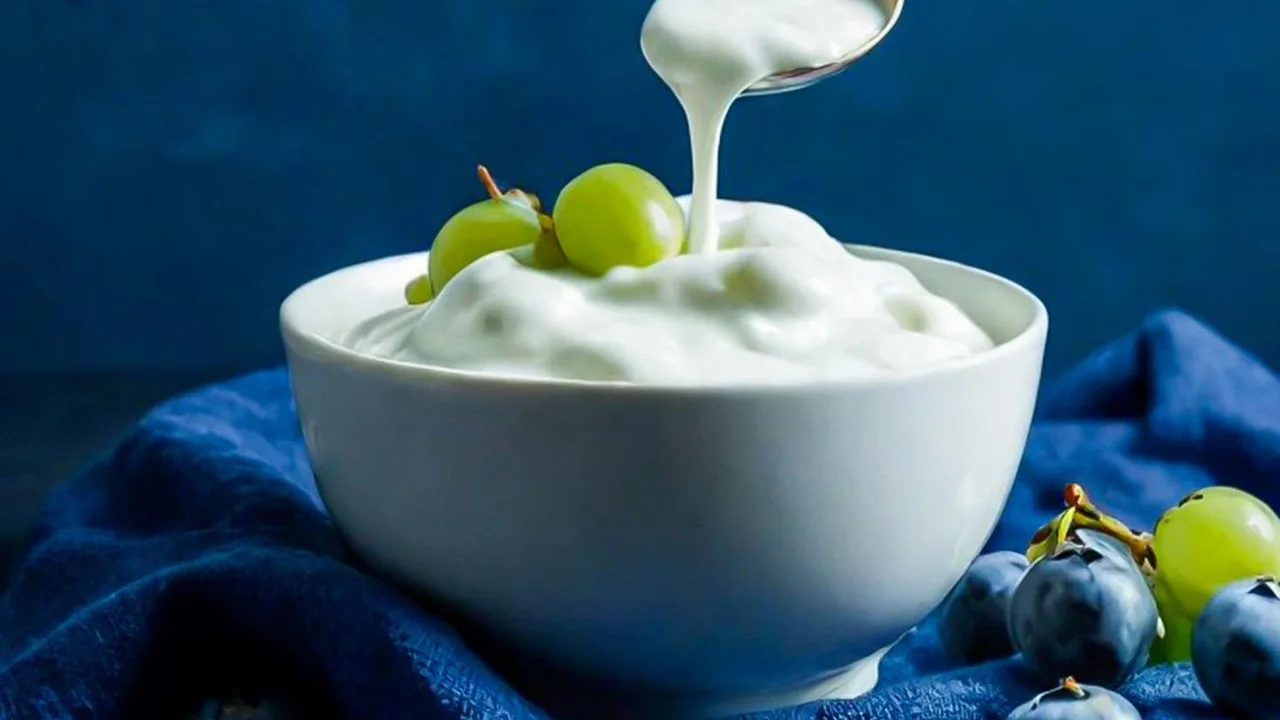
found new life thanks to a new generation. Spurred by viral TikTok trends, sales have skyrocketed, with some producers struggling to keep shelves stocked. The key to its newfound fame is its versatility. By blending it, creators have eliminated the divisive lumpy texture, transforming it into a smooth, creamy base that can be used in countless sweet and savoury dishes. This simple trick has reintroduced the dairy product to a whole new audience that values both taste and nutrition.
More Than Just Marketing
The "high-protein makeover" is less about changing the fundamental product and more about repositioning it for the modern, health-conscious consumer. A typical half-cup serving of low-fat cottage cheese packs around 12 to 14 grams of protein for under 100 calories, making it a nutrient-dense option. However, brands are now innovating to push this benefit even further. New products are entering the market with even higher protein counts, some boasting up to 18 grams per serving by incorporating fast-acting whey protein alongside the naturally present casein. Beyond just protein, companies are also introducing new flavour combinations, from fruity to savoury, and convenient single-serving pots with mix-ins to market it as a complete snack.
The Nutritional Powerhouse
The hype is backed by solid nutritional science. Cottage cheese is an excellent source of high-quality protein, containing all the essential amino acids your body needs for muscle repair and maintenance. The majority of its protein is casein, which digests slowly, helping you feel fuller for longer and providing a sustained release of energy. This makes it a favourite among athletes and anyone looking to manage their weight. Furthermore, it is rich in essential nutrients like calcium and phosphorus for bone health, as well as B vitamins, including B12, which is crucial for energy production and nerve function.
Beyond the Cantaloupe Bowl
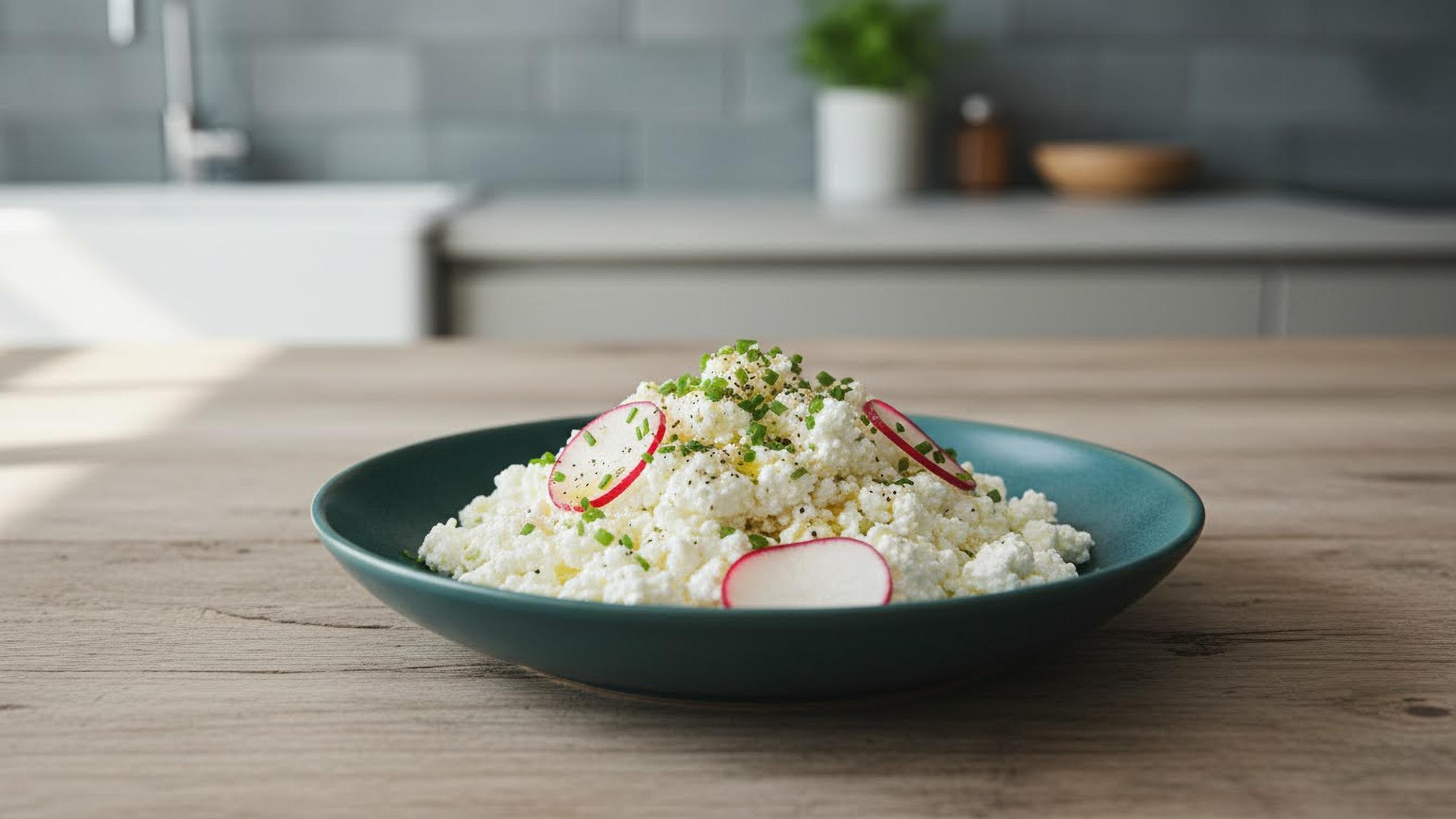
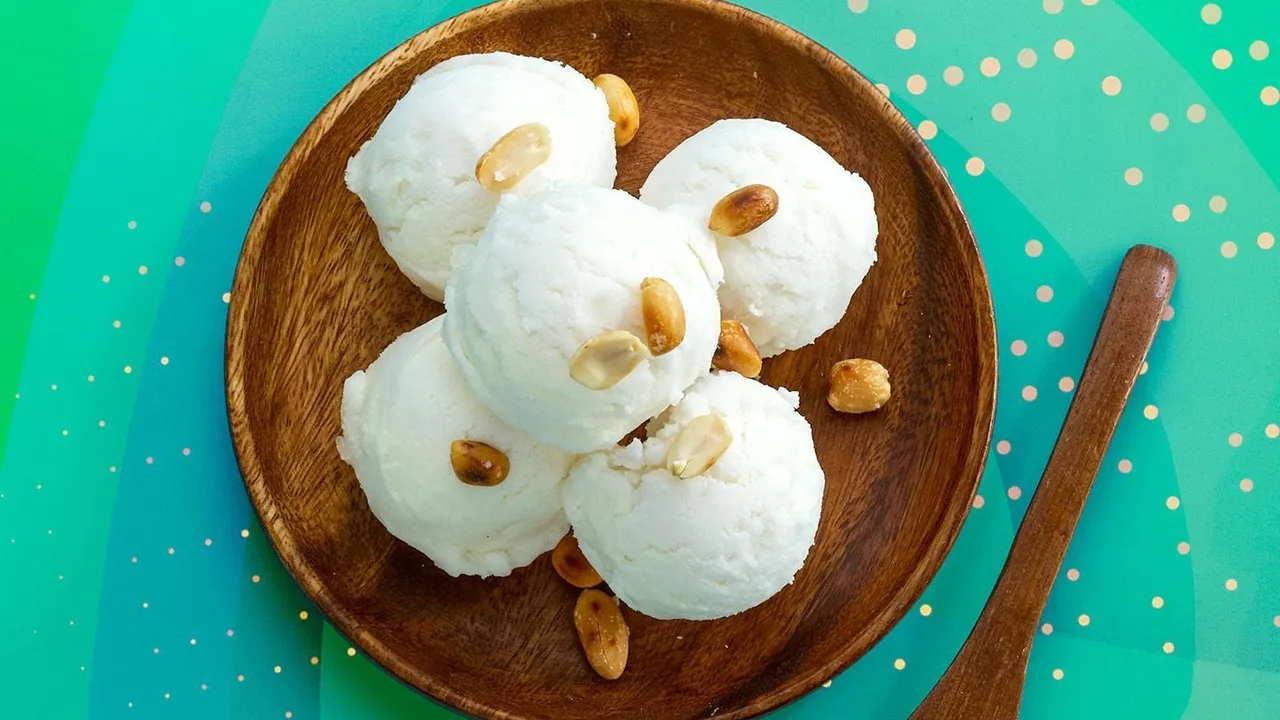
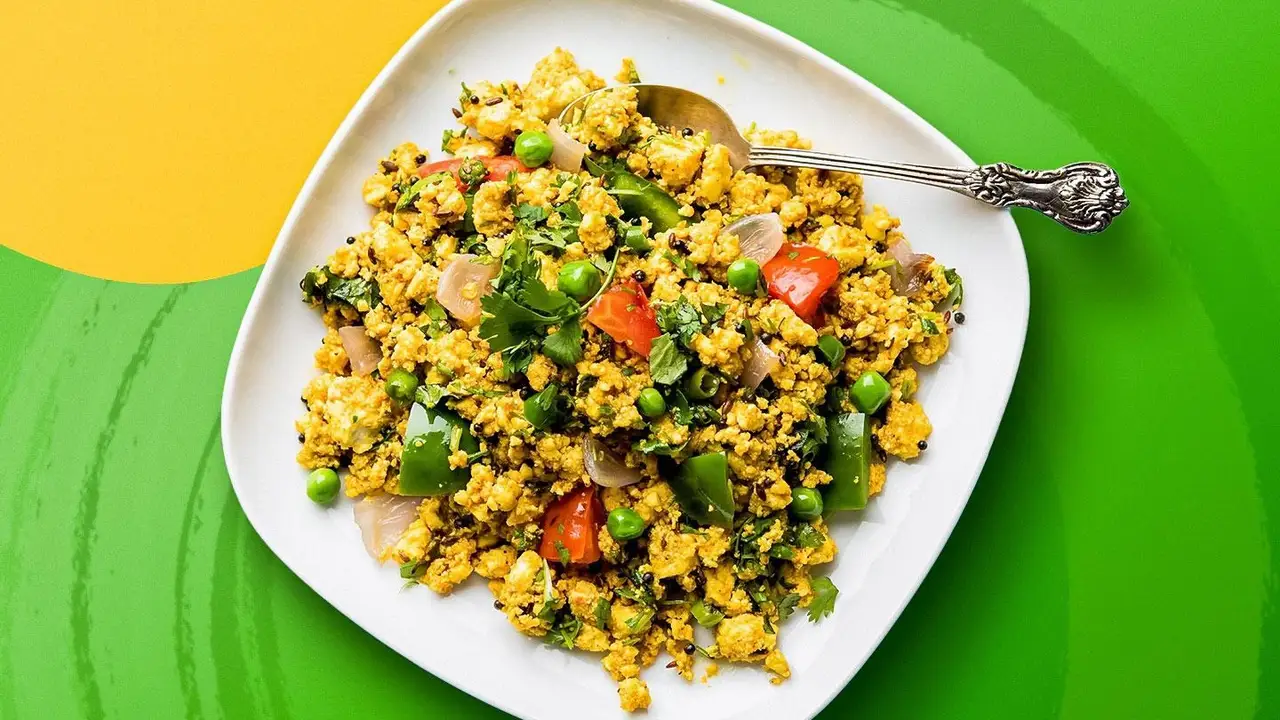
The biggest shift in cottage cheese's identity is how it's being eaten. Gone are the days of it being served plainly alongside a slice of melon. Today's recipes showcase its incredible adaptability. Blended until smooth, it becomes a healthy substitute for mayonnaise in dips, cream cheese on toast, or ricotta in lasagna. It's being whisked into scrambled eggs and pancake batter for a protein boost, and even blended with frozen fruit to create a surprisingly creamy and healthy ice cream. These creative applications have helped erase its reputation as a restrictive "diet food" and recast it as a versatile staple for anyone looking to add more protein and nutrients to their favourite meals.
How to Choose the Best Tub
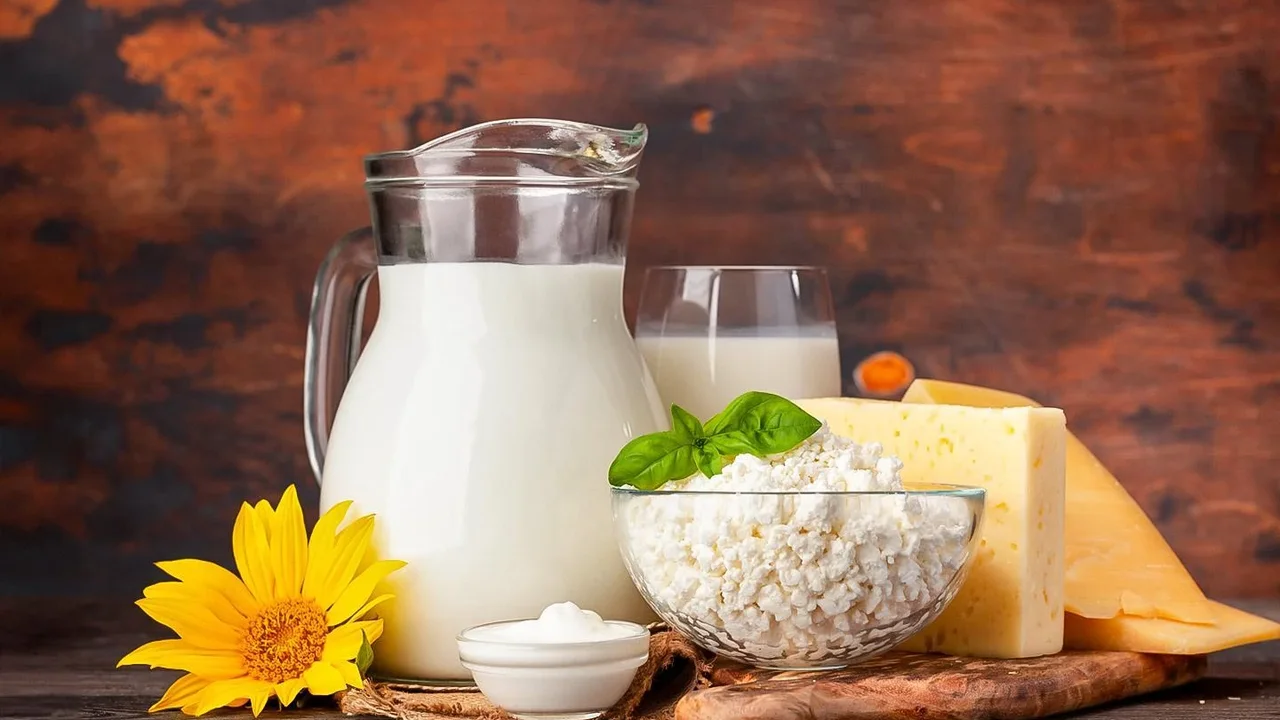
When navigating the dairy aisle, you'll find several options. Cottage cheese comes in different fat percentages, typically non-fat, low-fat (1-2%), and full-fat (4%). While the fat and calorie counts aren't drastically different between them, full-fat versions often have a creamier texture. One thing to be mindful of is the sodium content, which can vary significantly between brands. If you're watching your salt intake, look for low-sodium or no-salt-added varieties. Some brands also contain live and active cultures, similar to yogurt, which can offer benefits for gut health. Ultimately, the best choice depends on your personal health goals and taste preferences.