




More Than Just a Slower Pace
Slow travel is about more than just extending a vacation. It represents a fundamental shift in mindset from ticking off sights to truly experiencing a place. It prioritises connection—with local culture, food, and communities—over a packed itinerary.
This approach encourages travellers to use local transport, stay in smaller towns, and spend more time in a single region. The result is a more sustainable and immersive form of tourism, where the journey itself becomes as significant as the destination. By moving at a gentler pace, travellers contribute more directly to local economies beyond the major tourist hubs and gain a deeper, more authentic understanding of the region they are exploring.
The Policy Unlocking the Path
For decades, the dream of a seamless overland journey across multiple Asian countries was complicated by a web of different visa requirements, paperwork, and fees. Each border crossing meant a new application process. However, that is beginning to change. Inspired by Europe's Schengen Area, a powerful proposal is gaining momentum in Southeast Asia. Thailand has spearheaded the "Six Countries, One Destination" initiative, which aims to create a single, unified visa for travellers visiting Thailand, Cambodia, Vietnam, Laos, Malaysia, and Myanmar. This move would eliminate the biggest logistical headache for overland travellers, allowing them to move freely between these nations for the duration of their visa.
A Southeast Asian Journey Reimagined
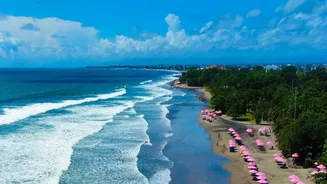
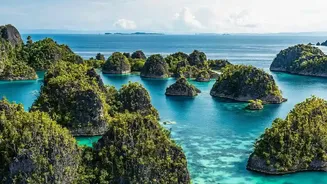
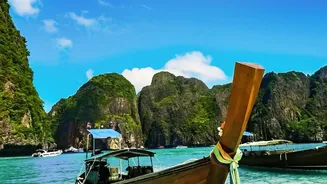
The proposed single-visa scheme could completely transform regional travel. A tourist could land in Kuala Lumpur, explore Malaysia's vibrant cities, and then take a train north into Thailand. From there, they could journey overland into Cambodia to witness the ancient temples of Angkor before continuing into Vietnam's Mekong Delta and north towards Hanoi, finally crossing into the serene landscapes of Laos. This entire multi-country expedition, which would have previously required meticulous planning and multiple visa applications, could be done with a single entry permit. This ease of movement is expected to attract more long-haul travellers, particularly from Europe and North America, who are keen to explore the region in depth.
Economic and Cultural Ripples
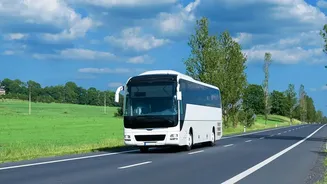
The benefits of such initiatives extend far beyond traveller convenience. By enabling seamless overland travel, these policies encourage tourists to venture off the beaten path. Instead of flying between capital cities, they might take buses or trains that stop in smaller towns and rural villages, spreading tourism revenue more evenly. This helps support small, local businesses—from family-run guesthouses to roadside eateries—that are often bypassed by traditional air travel circuits. Furthermore, longer, more immersive stays foster greater cultural exchange. Travellers have the time to build relationships, learn about local customs, and develop a genuine appreciation for the diversity within a region, strengthening diplomatic and cultural ties between nations.
The View from India
For Indian travellers, the concept of visa-free overland travel is already a reality with neighbours like Nepal and Bhutan, which have long-standing open-border agreements. These arrangements have fostered deep cultural and economic links for generations. The success of these relationships and the momentum in Southeast Asia raise exciting possibilities for the future. India already offers visa-free entry to citizens of several countries and has temporary agreements with nations like Thailand and Malaysia. Expanding similar overland, visa-free initiatives with countries like Myanmar could create an uninterrupted travel corridor from India into the heart of Southeast Asia, aligning perfectly with India's 'Act East' policy and opening up new frontiers for adventurous Indian travellers.