




More Than Just Standing Still
In the world of yoga, some of the most powerful poses are the most subtle. Tadasana, derived from the Sanskrit word 'Tada' for mountain, is the perfect example. It’s the embodiment of standing firm, steady, and tall, just like a mountain. While it may
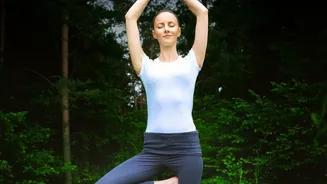
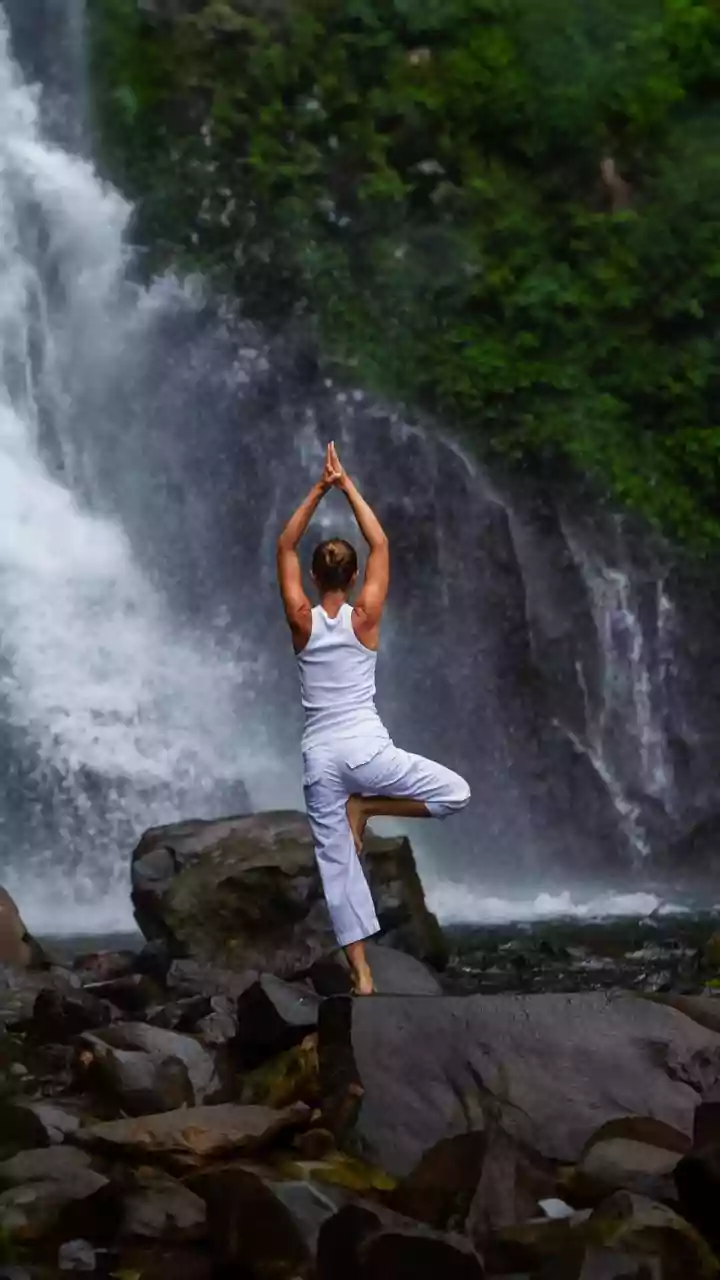
appear simple, mastering Tadasana is about cultivating a deep awareness of your body in space. It is considered the starting point and anchor for nearly all standing asanas, a neutral pose to return to between more dynamic movements. But its true power lies in its function as a 'blueprint' for ideal posture. The alignment and engagement you learn in this pose translate directly into every other pose you practice, from balancing postures like Tree Pose to foundational sequences like Sun Salutations. It’s a practice in being present, connecting mind and body, and building stability from the ground up.
A Step-by-Step Guide to Your Mountain
Finding your Tadasana involves active engagement, not passive standing. Here’s how to build the pose from the feet up: 1. Start with your feet either touching at the big toes with heels slightly apart, or for more stability, place them parallel and hip-width apart. 2. Ground down through all four corners of your feet: the base of the big toe, the base of the little toe, and both sides of your heel. Lift your toes, spread them wide, and then gently lower them to feel a firm connection to the earth. 3. Engage your leg muscles by gently lifting your kneecaps, without locking the knees. Imagine your inner thighs rotating slightly inward. 4. Find a neutral pelvis. Avoid tilting it forward or tucking it under too far. A helpful cue is to imagine your tailbone lengthening down toward the floor. 5. Draw your lower belly gently in and up to engage your core muscles. This supports your spine. 6. Roll your shoulders up, back, and then let them relax down, broadening your collarbones and opening your chest. Let your arms rest by your sides with palms facing forward. 7. Lengthen your neck and tuck your chin slightly, as if lifting the crown of your head toward the sky. Breathe deeply and evenly.
Common Mistakes to Watch For
Because it seems so basic, it’s easy to practice Tadasana without full awareness. This can lead to common misalignments that undermine its benefits. One of the most frequent errors is locking the knees, which puts strain on the joints. Instead, keep a micro-bend in them to ensure the muscles of your legs are engaged. Another common issue is an overly arched lower back or, conversely, slouching shoulders. Focus on a neutral spine by engaging your core and consciously rolling your shoulders back and down. Also, pay attention to your feet. Many people unconsciously lean their weight onto their heels or the inner or outer edges of their feet. Actively press into all four corners to ensure your weight is evenly distributed, creating a stable base. Finally, avoid holding tension in your arms, jaw, or face. Tadasana is about finding the balance between active engagement and relaxed stillness.
The Quiet Power of Tadasana
The benefits of regularly practicing a proper Mountain Pose extend far beyond the yoga mat. The most immediate effect is improved posture. By training your body to find its optimal alignment, you can counteract the slumping habits many develop from sitting at desks. This improved posture can help alleviate back pain by strengthening the core and properly aligning the spine. Physically, the pose strengthens the thighs, knees, and ankles while toning the abdomen and glutes. It significantly enhances your sense of balance and body awareness, which can reduce the risk of falls. Mentally, Tadasana is a practice in mindfulness. Focusing on the subtle adjustments and the rhythm of your breath calms the mind, reduces stress, and improves concentration. It fosters a sense of being grounded, centered, and confident, embodying the steady and unwavering nature of a mountain.