





Why Go Natural?
The shift away from synthetic plant food is part of a larger movement towards sustainable and organic living. Many urban gardeners, who often grow herbs, vegetables, and flowers in limited spaces, are increasingly conscious of the chemicals they use.
Concerns range from the environmental impact of synthetic fertilisers to the desire to grow produce that is truly organic and safe to consume. Store-bought options can also be expensive and come in bulky plastic packaging. The appeal of a DIY solution lies in its simplicity, low cost, and the satisfaction of upcycling kitchen waste into something valuable for the garden. This homemade approach connects gardeners more deeply with the natural cycle, turning a simple banana peel into a key ingredient for a thriving balcony ecosystem.
The Power in the Peel
So, what makes a banana peel so special? It's all about the nutrients. Banana peels are a fantastic source of potassium, a crucial macronutrient for plants. Potassium plays a vital role in nearly every aspect of plant growth, including strengthening stems, improving water uptake, enhancing disease resistance, and promoting vibrant flowers and flavourful fruit. Without enough potassium, plants can look stunted, with yellowing leaf edges and poor fruit development. Peels also contain smaller amounts of other beneficial minerals like phosphorus, which is essential for root and flower growth, as well as calcium and magnesium. When steeped in water, these nutrients leach out, creating a liquid tonic that plants can absorb.
How to Make Your Banana Spray
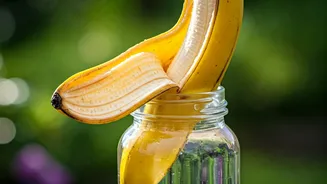
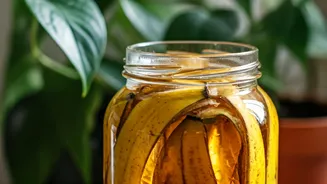
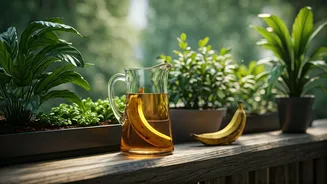
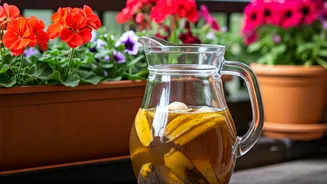
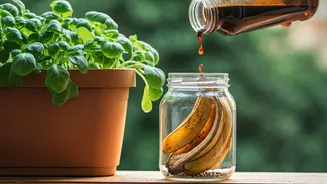
Creating your own banana peel fertiliser is incredibly simple. There are two popular methods. **Method 1: The Quick Soak** 1. Take the peels from 2-3 ripe bananas and place them in a large jar. 2. Fill the jar with about 1 litre of water and seal it. 3. Let the jar sit for 2-3 days in a cool, dark place. The water will turn slightly cloudy or brownish as the nutrients are released. 4. Strain the liquid into a spray bottle. Dilute it with an equal part of fresh water before use. **Method 2: The Banana Tea** 1. Chop up the peels from 2-3 bananas. 2. Place the chopped peels in a saucepan with 1-1.5 litres of water. 3. Bring the water to a boil, then reduce the heat and let it simmer for 15-20 minutes. 4. Allow the 'tea' to cool completely. 5. Strain the liquid and dilute it with two parts water before pouring it into a spray bottle or watering can.
Application and Best Practices
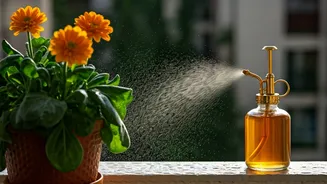
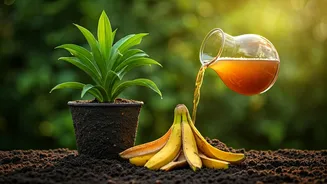
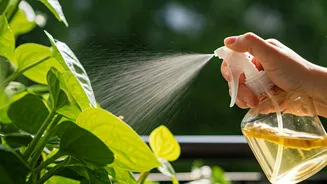
This homemade spray is most beneficial for flowering and fruiting plants that have high potassium needs, such as roses, tomatoes, peppers, and hibiscus. For best results, use the spray once every 1-2 weeks during the growing season. You can apply it in two ways: as a foliar spray or a soil drench. - **Foliar Spray:** Lightly mist the leaves of your plants in the early morning or late evening. Avoid spraying in direct, hot sunlight as this can burn the leaves. - **Soil Drench:** Pour the diluted liquid directly onto the soil at the base of the plant. This allows the roots to absorb the nutrients directly. Always use the mixture within a day or two of making it to prevent it from fermenting and developing unpleasant odours. You can also add the leftover soaked or boiled peels directly to your compost bin.
A Word of Caution
While banana peel spray is a wonderful, gentle fertiliser, it's not a magic bullet. It is primarily a source of potassium and should be considered a supplement, not a complete plant food. Plants still need nitrogen for leafy growth and other micronutrients that banana peels don't provide. It’s important to complement this spray with a good quality potting mix or compost. Furthermore, the sugary residue from the spray can sometimes attract pests like fruit flies or ants. If you notice this becoming a problem, stick to using it as a soil drench rather than a foliar spray. Also, be mindful of overwatering; ensure your pots have good drainage.