

What is a Fibre-First Mindset?
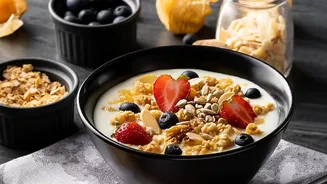
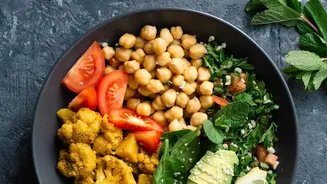
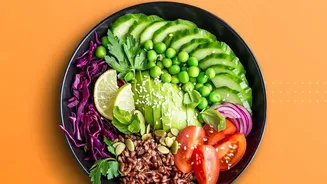
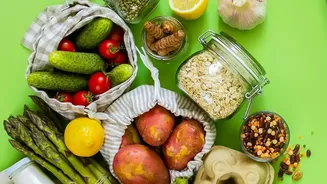
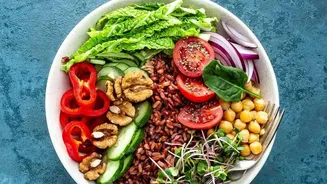
A fibre-first diet isn't about restriction; it's about prioritisation. The core idea is simple: begin your meal planning by focusing on fibre-rich foods. This means ensuring that whole grains, legumes, vegetables, and fruits are the stars of your plate,
not just side characters. Dietary fibre is a type of carbohydrate that the body can't digest. It's classified into two types: soluble fibre, which dissolves in water to form a gel-like substance (found in oats, beans, and apples), and insoluble fibre, which adds bulk to stool (found in whole grains and vegetables). Both are crucial for health. By consciously choosing these foods, you naturally increase satiety, which helps you feel full and satisfied for longer.
The Driving Force: Managing Lifestyle Diseases
One of the biggest reasons for fibre's rising popularity is its powerful role in managing modern lifestyle diseases that are increasingly prevalent in India. With rising rates of type 2 diabetes, a fibre-rich diet is a game-changer. Fibre slows down the absorption of sugar into the bloodstream, which helps prevent sharp spikes in blood glucose levels after a meal. This is incredibly important for both preventing and managing diabetes. Furthermore, soluble fibre is known to help lower LDL (bad) cholesterol levels, directly contributing to better heart health. Given that many urban Indian diets have become lower in fibre due to refined grains and processed foods, this shift marks a conscious return to a more protective way of eating.
The Gut Health Revolution
The conversation around health has expanded from calories and weight to the complex world of our gut microbiome. This is where fibre truly shines. It acts as a prebiotic, which is essentially food for the beneficial bacteria living in your gut. When these good bacteria digest fibre, they produce short-chain fatty acids (SCFAs). These compounds have numerous benefits, including reducing inflammation, providing energy to colon cells, and improving insulin sensitivity. A healthy gut microbiome is linked to everything from a stronger immune system to better metabolic health, and a diet rich in diverse fibres is the most effective way to nurture it.
A Return to Traditional Wisdom
What makes this trend feel so natural and sustainable in India is that it's not a foreign concept. It’s a return to our roots. Traditional Indian cuisine has always been inherently rich in fibre. Think of meals built around dals (lentils), legumes like rajma and chana, and rotis made from whole grains and millets like jowar, bajra, and ragi. These aren't new 'superfoods' but staples that have been part of our culinary heritage for centuries. The current trend is simply a modern validation of the wisdom embedded in our traditional eating patterns, reminding us that a healthy diet doesn't require expensive or imported ingredients.
How to Easily Boost Your Fibre Intake
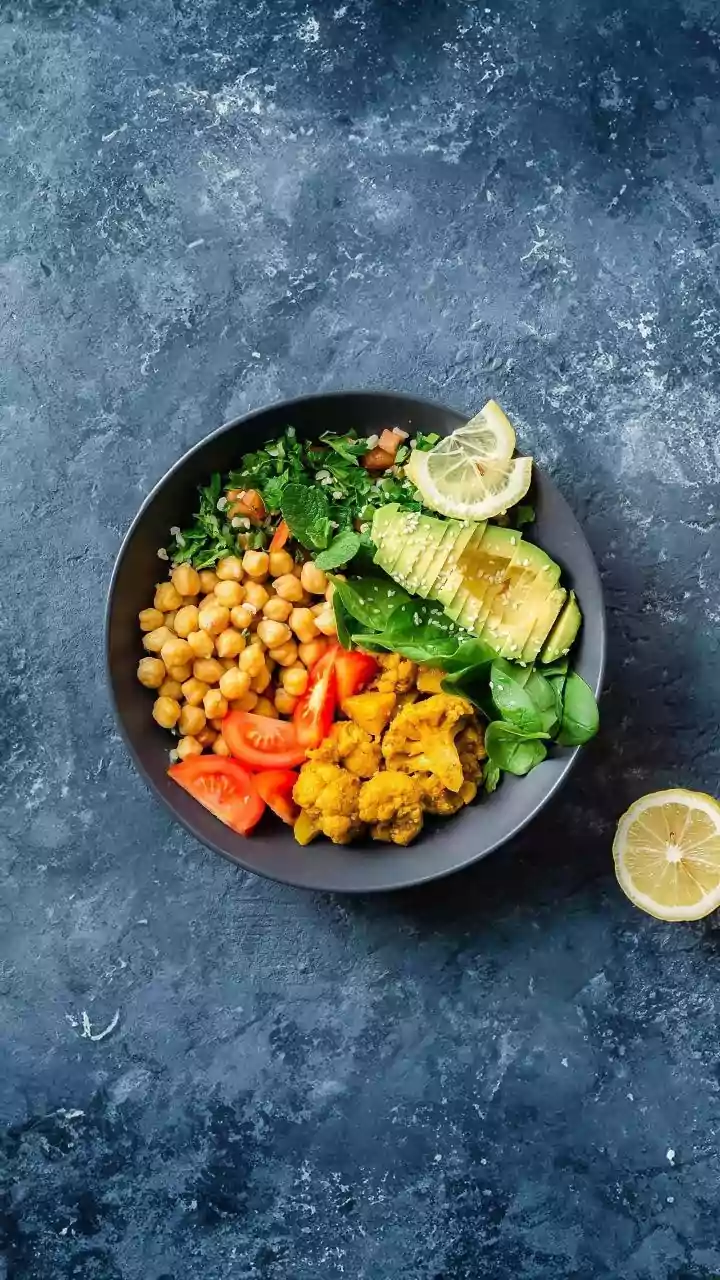
Increasing your fibre intake doesn't have to be complicated. Start with small, consistent changes. Swap refined white rice with brown rice or millets for a few meals a week. Ensure at least one main meal a day includes a generous portion of dal or a legume-based curry. Fill half of your plate with vegetables, including both cooked sabzi and a simple salad. For snacks, trade packaged biscuits for roasted chana, a handful of peanuts, or a seasonal fruit like guava, which is exceptionally high in fibre. And remember to increase your water intake as you increase fibre, as it helps the fibre do its job smoothly.