






Understanding Everyday Bloating
Bloating is one of the most common digestive complaints. It’s that feeling of fullness, tightness, or a visibly swollen abdomen, often occurring after meals. For most people, it's caused by excess gas buildup in the gastrointestinal tract, the types of food
we eat (like beans, lentils, or carbonated drinks), eating too quickly, or even stress. While occasional bloating is normal, it can be incredibly uncomfortable and disruptive. Many of us search for a quick fix, but the best solutions are often found in nature and can be integrated into our daily routines. The goal isn't just to react to bloating, but to proactively support our digestive system. This is where simple, home-based remedies using ingredients already in our kitchens can make a world of difference.
A Trio of Digestive Powerhouses
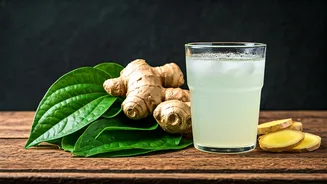
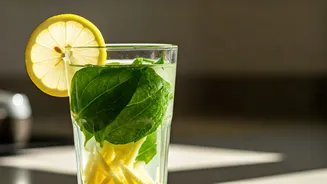
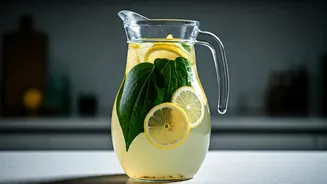
The magic of this particular lemonade lies in its powerful trio of ingredients: betel leaf (paan), ginger (adrak), and lemon (nimbu). Each of these has a long history in Indian households and Ayurvedic medicine as a potent digestive aid. While they are powerful on their own, combining them creates a synergistic drink that not only tastes uniquely refreshing but also targets the root causes of common bloating. Instead of simply masking symptoms, these ingredients work together to improve digestion, reduce gas formation, and soothe the gut, offering a holistic approach to tackling that uncomfortable fullness.
Betel Leaf: The Traditional Soother
Often chewed after meals as a 'paan', the betel leaf is more than just a mouth freshener. It has been used for centuries in Southeast Asia for its medicinal properties. Betel leaves are known to stimulate the production of saliva, which is the first step in proper digestion. They also contain compounds that have carminative effects, meaning they help to prevent the formation of gas in the gastrointestinal tract and facilitate the expulsion of gas that has already formed. Furthermore, betel leaves can help increase the secretion of digestive juices and enzymes, making it easier for your body to break down food efficiently and reducing the chances of indigestion and bloating after a heavy meal.
Ginger: The Anti-Inflammatory Spice
Ginger, or adrak, is a staple in Indian cooking and a go-to remedy for everything from colds to stomach aches. Its reputation as a digestive superstar is well-earned. The main bioactive compound in ginger, gingerol, has powerful anti-inflammatory and antioxidant effects. For digestion, ginger is known to speed up stomach emptying, which can be beneficial for people who experience indigestion and discomfort after eating. It helps relax the smooth muscles of the intestines, reducing cramping and allowing trapped gas to pass more easily. This is why a cup of ginger tea is a time-honoured solution for an upset stomach, and its inclusion in this lemonade provides that same soothing, de-gassing benefit.
Lemon: The Zesty Cleanser
A glass of lemon water is a popular morning ritual for good reason. Lemons are a great source of citric acid, which can help supplement your stomach's natural acid levels to aid digestion. A well-hydrated body is also essential for a smooth-running digestive system, as water helps to break down food and prevent constipation, a common contributor to bloating. The zesty flavour of lemon not only makes the drink more palatable but also adds a dose of Vitamin C and antioxidants, supporting overall gut health and providing a gentle cleansing effect.
The Recipe: How to Make It
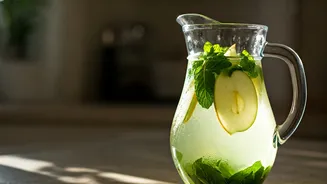
Crafting this digestive-friendly lemonade is simple. You can adjust the ingredients to your personal taste. **Ingredients:** - 2-3 fresh betel leaves (paan patta), washed - 1-inch piece of fresh ginger, peeled and roughly chopped - Juice of 1 large lemon - 2 glasses of chilled water - 1-2 teaspoons of honey, jaggery, or your preferred sweetener (optional) - A pinch of black salt (kala namak) (optional) **Instructions:** 1. In a blender, combine the betel leaves, chopped ginger, and about half a glass of water. 2. Blend until the leaves and ginger are completely pulverised and the water turns a vibrant green. 3. Using a fine-mesh sieve or a muslin cloth, strain the liquid into a jug to remove the fibrous pulp. Press down on the pulp to extract as much juice as possible. 4. To the jug, add the fresh lemon juice, the remaining water, and your sweetener of choice, if using. 5. Stir well until everything is combined. For an extra digestive kick and flavour, add a pinch of black salt. 6. Pour into glasses, add a few ice cubes, and serve immediately for the best taste and benefits.