






In the quest for a workout that is effective, affordable, and fits into a busy life, many of us overlook a simple tool from our childhood: the jump rope. This low-cost, portable piece of gear offers a surprisingly intense and efficient workout.
A Powerhouse of Health Benefits
Don't let
its simplicity fool you; jumping rope is a formidable fitness activity. It is a high-intensity workout that elevates your heart rate quickly, making it excellent for cardiovascular health. Studies have shown it can improve heart and lung function, potentially even more efficiently than some other forms of cardio. In terms of calorie burn, it's a champion. Depending on your intensity, jumping rope can burn as many, if not more, calories than running in the same amount of time. Beyond cardio, it's a full-body workout. While it heavily engages your leg muscles, it also strengthens your core, shoulders, and arms, especially when using a weighted rope. Furthermore, it is known to improve coordination, balance, and agility, skills that are beneficial in daily life and other athletic pursuits.
Choosing Your Perfect Rope
The only thing you need is a rope, but picking the right one can make a difference. For beginners, it is often recommended to start with a slightly heavier rope, like a beaded rope or a 6mm PVC rope, rather than a super-light speed rope. A heavier rope provides more 'feedback,' allowing you to feel its rotation, which helps in learning rhythm and timing. Speed ropes are very light and fast, making them better for experienced jumpers focusing on speed and complex skills like double-unders. The most critical factor is length. To find the right size, stand on the middle of the rope with both feet. The ends of the handles should reach your armpits or slightly lower, around your sternum. A rope that's too long will drag on the ground and throw off your timing, while one that's too short won't clear your feet. Many modern ropes are adjustable, allowing you to fine-tune the length for a perfect fit.
Mastering the Basic Form
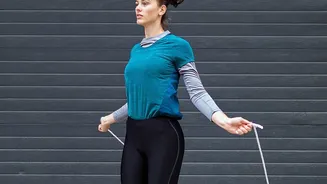
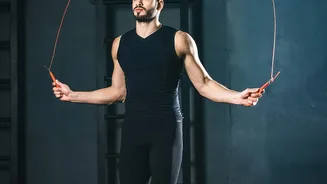
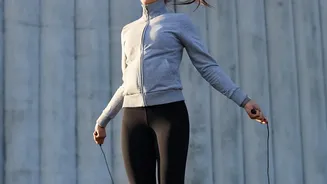
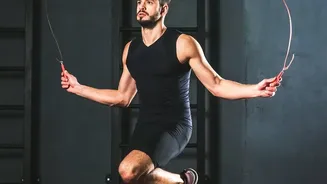
Proper form is key to an effective workout and preventing injury. Start by standing tall with your shoulders pulled back and down. Your elbows should be kept close to your body, pointing back, not out to the sides. The rotation of the rope should come from your wrists, not your entire arms. This small, efficient movement is all that's needed to swing the rope. When you jump, only leap high enough for the rope to clear your feet—just an inch or two is sufficient. Land softly on the balls of your feet with a slight bend in your knees to absorb the impact. A common beginner mistake is jumping too high or tucking the knees, which wastes energy and puts unnecessary strain on your joints.
Your First Jump Rope Workout
Consistency is more important than intensity when you're starting. A simple way to begin is with interval training. Try this basic routine: Jump at a comfortable pace for 30 seconds, then rest for 30 seconds. Repeat this cycle for 5–10 minutes. As you get more comfortable, you can increase the work periods and decrease the rest periods. For example, jump for 40 seconds and rest for 20. Once you have mastered the basic two–foot bounce, you can introduce variations to keep things interesting and challenge your body in new ways. Try alternating your feet as if you are jogging in place, or hopping on one foot for a few rotations before switching to the other. These simple changes can increase the intensity and work different muscle groups.