







A Cultural Shift in Festive Buying
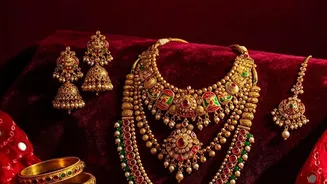
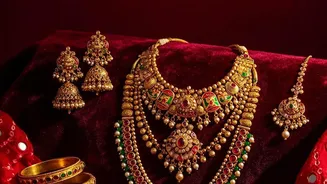
Traditionally, festive jewellery purchases, especially during Dhanteras and Diwali, meant investing in heavy, ornate gold pieces. These were seen as a store of wealth, often destined for a bank locker and brought out only for special occasions. However,
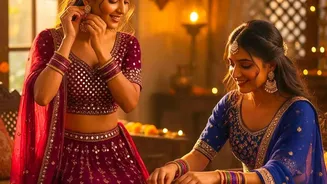
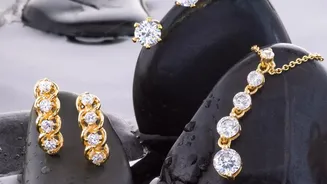
consumer mindsets are changing. Today’s buyers, particularly millennials and Gen Z, seek pieces that offer both cultural significance and everyday utility. There is a growing preference for jewellery that can transition seamlessly from a festive celebration to office wear or a casual brunch. This move away from purely investment-driven buying towards pieces that are wearable and expressive is a significant driver of the lightweight trend.
Affordability in the Face of High Prices
Record-high gold prices have fundamentally altered the market. With the cost of the yellow metal surging, the traditional heavy sets are becoming less accessible for many. Jewellers note that while budgets for festive spending might increase slightly, they haven't kept pace with the doubling of gold prices. This has created a powerful incentive for consumers to seek out lighter options that offer the emotional satisfaction of buying gold without the hefty price tag. Artisanal brands excel here, offering intricate, well-designed pieces that look substantial but are light on the scale and the wallet. The industry has also seen growing interest in lower-carat gold, such as 14-carat or 9-carat, further improving affordability.
The Unique Appeal of Artisanal Design
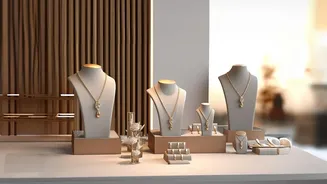
While large, established retailers focus on mass-produced designs, artisanal brands win on uniqueness and personalisation. These smaller players often build their collections around a specific craft, heritage story, or design philosophy, from modern interpretations of Polki and Jadau to minimalist geometric forms. This allows them to connect with consumers on a more personal level. Shoppers are increasingly looking for pieces that reflect their individual style rather than a generic trend. Artisanal collections, often handmade, offer this sense of exclusivity and craftsmanship that is difficult for larger chains to replicate across thousands of stores. This focus on design allows them to create jewellery that feels both contemporary and rooted in tradition.
Mastering the Digital Marketplace
The rise of artisanal jewellery is intrinsically linked to the power of digital platforms. While legacy brands have traditionally relied on expansive physical showrooms, new-age brands are digital-first. They leverage social media platforms like Instagram to create visually compelling narratives, engage directly with customers, and build a strong sense of community. Influencer collaborations and targeted digital advertising allow them to reach a highly specific and motivated audience across both metro and non-metro cities. This direct-to-consumer (D2C) model not only reduces overheads but also fosters a direct line of communication, allowing brands to gather feedback and adapt to changing tastes quickly.
Building Trust Beyond the Showroom
For years, the jewellery business has been built on in-person trust, with family jewellers and large, reputable showrooms dominating sales. However, artisanal brands are proving that trust can be cultivated online. They achieve this through transparent pricing, detailed product descriptions, high-quality photography, and a strong emphasis on customer service. Testimonials, user-generated content, and behind-the-scenes looks at the making process all help to build credibility. By focusing on a niche and delivering consistently on quality and design, these brands build a loyal following that is comfortable making high-value purchases online, challenging the long-held belief that jewellery can only be sold in person.